

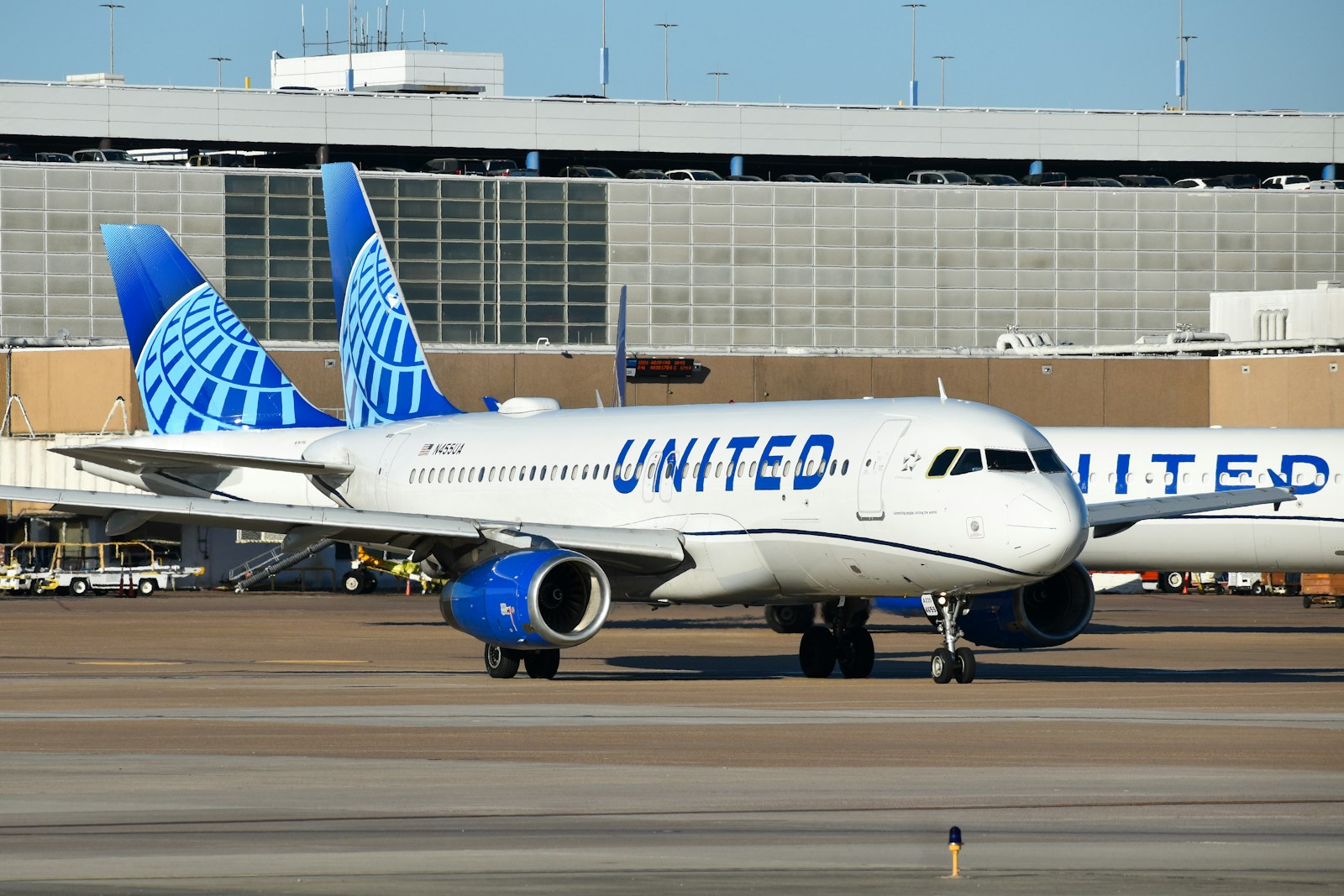
You’re on the gate when a routine boarding suddenly halts because crew members spot a bullet in an overhead bin — the flight is declared a crime scene and passengers face a long delay. Officials cleared and swept the aircraft before it could depart, grounding United Flight 1511 at Newark and triggering an active federal investigation into how live ammunition got aboard.
They’ll want to know what triggered the sweep, how authorities handled the scene, and what passengers experienced during the delay. The article walks through the security response, the immediate passenger impact, and the ongoing inquiry into the event.
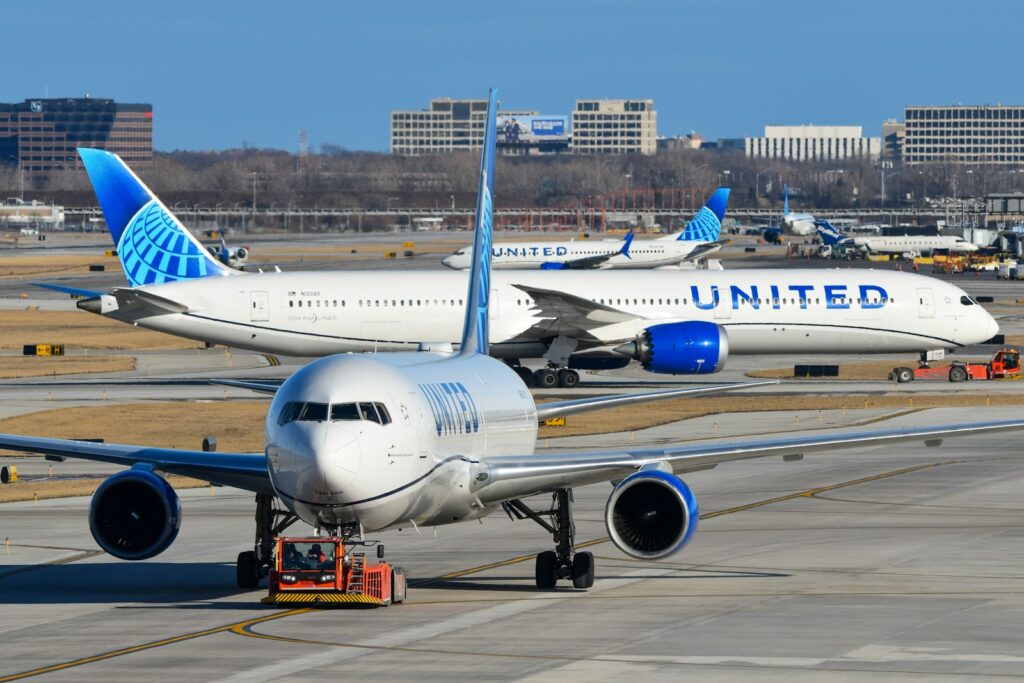
The Security Scare: What Prompted the Emergency Sweep
A written threat found inside the airplane and a separate report of a bullet in an overhead bin prompted a rapid, coordinated response that returned the flight to the airport. Passengers and crew faced extended checks while law enforcement and federal agents conducted a full security sweep.
Flight 1169’s Route From Honolulu to Los Angeles
United Airlines Flight 1169 departed Daniel K. Inouye International Airport in Honolulu bound for Los Angeles International Airport (LAX). The Boeing 777 carried 339 passengers and crew on the overnight west-to-mainland routing commonly scheduled for late-night departures.
About 90 minutes into the flight, while the aircraft was over the Pacific, the captain reversed course and announced a return to Honolulu. Air traffic control and airport operations at Daniel K. Inouye coordinated to clear a remote parking area and stage law enforcement for an unscheduled arrival. The decision prioritized passenger safety and kept the aircraft away from the main terminal until authorities could assess any threat.
Discovery of the Bomb Threat Message Onboard
A crew member discovered writing on a lavatory mirror stating a bomb threat, prompting immediate concern. The message explicitly referenced an explosive device on board, which under federal aviation protocols mandates treating the claim as credible until proven otherwise.
Passengers later reported that crew limited details while airborne to prevent panic. The FBI and local Honolulu police took lead roles once the plane landed, citing jurisdiction over in-flight threats. Authorities treated the mirror message alongside any other reported items—such as the separate claim about a bullet—to determine the scope of the potential security concern.
Immediate Response by Crew and Authorities
The captain notified air traffic control and coordinated a return to Daniel K. Inouye International Airport, where the aircraft was directed to a remote ramp. Passengers remained on board for several hours while bomb-sniffing dogs, bomb technicians, Honolulu police, and FBI agents performed a comprehensive security sweep.
Deplaning occurred in a controlled manner: each passenger and carry-on was checked before leaving via airstairs and buses to the terminal. United Airlines communicated rebooking options to affected travelers and worked with authorities during the search. Investigators searched overhead bins, lavatories, and all cabins; at the time of the sweep, officials emphasized there was no known ongoing threat to the public.
Aftermath and Investigation
Airport police met the aircraft and conducted a full security sweep, passengers were held on the tarmac and re-screened, and federal authorities opened a formal inquiry into how a live round made it into the overhead bin.
Law Enforcement Procedures and Passenger Delays
Officers from the airport police boarded the jet after it returned to the gate and escorted passengers off in small groups. Trained bomb experts and K-9 teams examined the cabin and overhead compartments, while officers photographed and logged the scene for the investigation.
Passengers faced extended delays: bags were inspected, carry-ons were unloaded, and several travelers were re-screened through TSA checkpoints. Flight manifests and gate-area CCTV were reviewed to narrow the time window when the round could have been placed aboard.
Airport staff coordinated passenger rebooking and arranged accommodations for those affected. Flight tracking services showed the cancelled departure and later rebooked movements, helping staff prioritize connections.
Role of the FBI and Federal Aviation Administration
The FBI took the lead on determining intent and criminal liability once the ammunition was confirmed as a live round. Agents interviewed crew and select passengers, searched luggage with warrants where necessary, and collected physical evidence for ballistic and chain-of-custody testing.
The Federal Aviation Administration monitored the operational impact and reviewed carrier procedures for hazardous items. FAA inspectors liaised with the airline to ensure compliance with reporting requirements and to determine whether policy or training lapses contributed.
Both agencies shared findings to decide if criminal charges, civil penalties, or changes to airline handling practices were warranted. Public statements emphasized passenger safety and that the investigation remained active.
Wider Impact on Airport Security Protocols
Airport authorities reviewed checkpoint procedures and cabin stowage checks after the incident. Some airports briefly increased random carry-on inspections and reminded staff to enforce ammunition transport rules strictly.
Airlines updated cabin crew reminders about visual checks of overhead bins during boarding and before taxi. Airports and carriers also considered targeted communications urging passengers to declare firearms or ammunition and to secure them in checked baggage following federal rules.
Local media outlets and flight tracking feeds documented the operational disruption, prompting travel advisories and renewed attention to security gaps. Authorities signaled possible long-term changes if investigations indicated systemic weaknesses.
More from Decluttering Mom:

Leave a Reply