

You’ll want to see how Jake Canter turned a near-fatal trampoline accident into an Olympic bronze just a decade later—his comeback rewrites everything you thought about resilience in action sports.
Jake Canter claimed his first Olympic medal in slopestyle on Feb. 18, 2026, a moment that capped a comeback after a 2016 trampoline accident left him with a traumatic brain injury and lasting deafness in one ear.
Follow his Olympic run, the setbacks he beat, and the moments that made this medal more than a podium finish. For context on his win and background, check reporting on his bronze performance at the 2026 Winter Olympics and the accident that nearly ended his career.
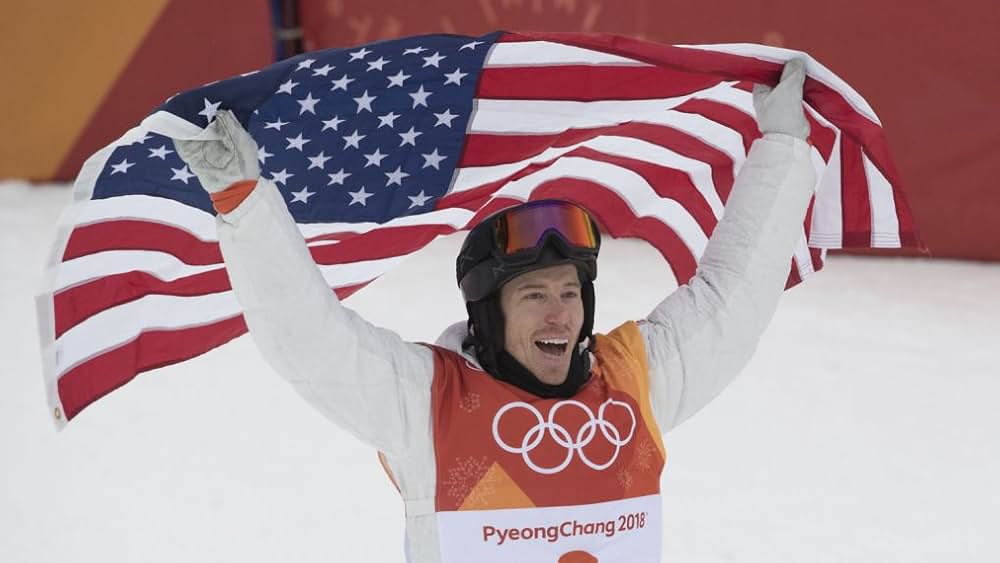
Jake Canter’s Olympic Journey and Historic Bronze Medal
Canter entered the 2026 Winter Olympics as a 22-year-old making his Olympic debut after climbing the slopestyle ranks. He came off strong international results and a comeback story that drew attention during the Games in Milan–Cortina.
Breakdown of the Men’s Slopestyle Final
The men’s slopestyle final featured multiple runs where athletes combined rails and big-air jumps for an overall score. Judges scored on difficulty, execution, amplitude, and flow; each rider had two scored runs, best count.
Canter opened with solid rail work and big rotations that kept him safely in contention through the first run. His second run pushed risk higher: cleaner grabs and tighter spinning lines improved air score components. Those improvements moved him from mid-pack into medal contention.
Key comparisons included execution against experienced podium threats such as Red Gerard and Marcus Kleveland, plus rising names from World Cup stops like Livigno and Aspen. Canter’s consistency on rails and risk management on jumps proved decisive when higher-risk attempts by others produced mistakes.
The Signature 1980-Degree Spin and Final Run
Canter’s final run featured a standout 1980-degree spin, a near-five-rotation trick that combined rotation with precise grab timing. He landed the trick with controlled upright posture and minimal hand drag, which boosted his rotation and execution marks.
That 1980, paired with a clean amplitude on the large jump and crisp rail hits, delivered a competitive scoring package. Judges rewarded the run’s blend of technical difficulty and composure under pressure, lifting his score into bronze territory.
He executed the rest of the run with intentional pacing—focused rail transitions, a locked grab on the final jump, and solid speed management to avoid errors. The combination of the signature spin and clean finish separated him from riders who fell or lost speed on landing.
Key Rivals: Su Yiming, Taiga Hasegawa, and the International Field
Su Yiming captured gold with high-difficulty tricks and near-flawless execution, setting a scoring target others chased. Taiga Hasegawa secured silver by combining big airs and creative rail lines that maximized style and amplitude.
Other contenders included Mark McMorris and Marcus Kleveland, who pushed technical variety, and newcomers like Ollie Martin and Dane Menzies who brought fresh trick choices from recent Aspen and Livigno World Cup events. Red Gerard’s experience made him dangerous despite some inconsistent landings earlier in the season.
Canter stood out by balancing a high-risk trick list with steady landings, a tactical approach that proved effective against a deep international field. His bronze became the result of strategic run construction, competitive trick selection, and peaking at the Olympic final.
Surviving the Trampoline Accident: Triumph Over Adversity
Jake Canter faced life-changing injuries as a teenager and then rebuilt his body and career through intensive medical care and persistent rehab. The following paragraphs detail the accident, the medical interventions that followed, the lasting effects of his traumatic brain injury, and how he fought back to return to snowboarding.
Details of the Trampoline Accident
At an action-sports camp when he was 13, Canter suffered a freak trampoline accident that left him with a fractured skull and a brain bleed. Witnesses reported a severe impact to the head that required immediate emergency response and air transport to specialist care.
Surgeons found fractures in multiple places in his skull. He spent days unconscious and then entered a medically induced coma as doctors stabilized swelling and monitored intracranial pressure. The injury also damaged structures that regulate balance and hearing, leaving him with significant vestibular symptoms and right-ear hearing loss.
Medical notes and later interviews indicate the trauma set off complications beyond the initial bleed, including a spinal fluid leak and vulnerability to infection. Those downstream problems shaped the long recovery path he would face.
The Recovery: Medically Induced Coma, Surgeries, and Rehab
Doctors kept Canter in a medically induced coma for days to control brain swelling and limit further damage. While sedated, his care team managed intracranial pressure, performed imaging, and prepared for possible neurosurgical interventions.
He later underwent skull repair that used bone cement in places where fractures were severe. A subsequent bout of bacterial meningitis required additional hospital care and another period of coma-like sedation. The meningitis complicated healing and extended the timeline for safe rehabilitation.
Rehab focused on relearning basic motor skills: walking, speech, and balance exercises tailored to his vestibular deficits. Physical therapy sessions progressed into sport-specific training, with gradual exposure to snowboard maneuvers once physicians cleared him for activity.
Impact of Traumatic Brain Injury and Ongoing Challenges
The traumatic brain injury left lasting effects, including a permanent right-ear hearing deficit and chronic imbalance at times. Those problems forced Canter to adapt technique and training to maintain aerial awareness and landings under duress.
Cognitive and emotional aftereffects appeared as well: fatigue, concentration issues, and sensitivity to stress during competition. He has spoken about mental-health struggles tied to the trauma and the deaths of peers, underscoring that recovery included psychological work as much as physical rehab.
Medical records and his public accounts show he still manages flare-ups and adjusts equipment and routines to mitigate vestibular instability. Ongoing follow-ups with neurologists and vestibular therapists remain part of his maintenance plan.
Returning to Snowboarding and Defying the Odds
Canter used progressive exposure to the sport—starting with balance drills, then low-risk maneuvers, then full runs—to rebuild confidence on snow. He credited therapeutic snowboarding early in recovery for helping recalibrate balance and spatial awareness.
Within years he advanced from rehab exercises to elite competition, earning X Games and World Cup podiums before reaching the Olympic stage. His bronze medal run included technically difficult tricks executed under pressure, showing adaptation of style and training to compensate for residual deficits.
He views the comeback as both medical and personal: targeted surgeries and rehab made it possible, while persistent practice and risk management rebuilt his competitive edge. Read more about his journey and Olympic result at the AP News account of his near-death journey to an Olympic bronze.
More from Vinyl and Velvet:

Leave a Reply