

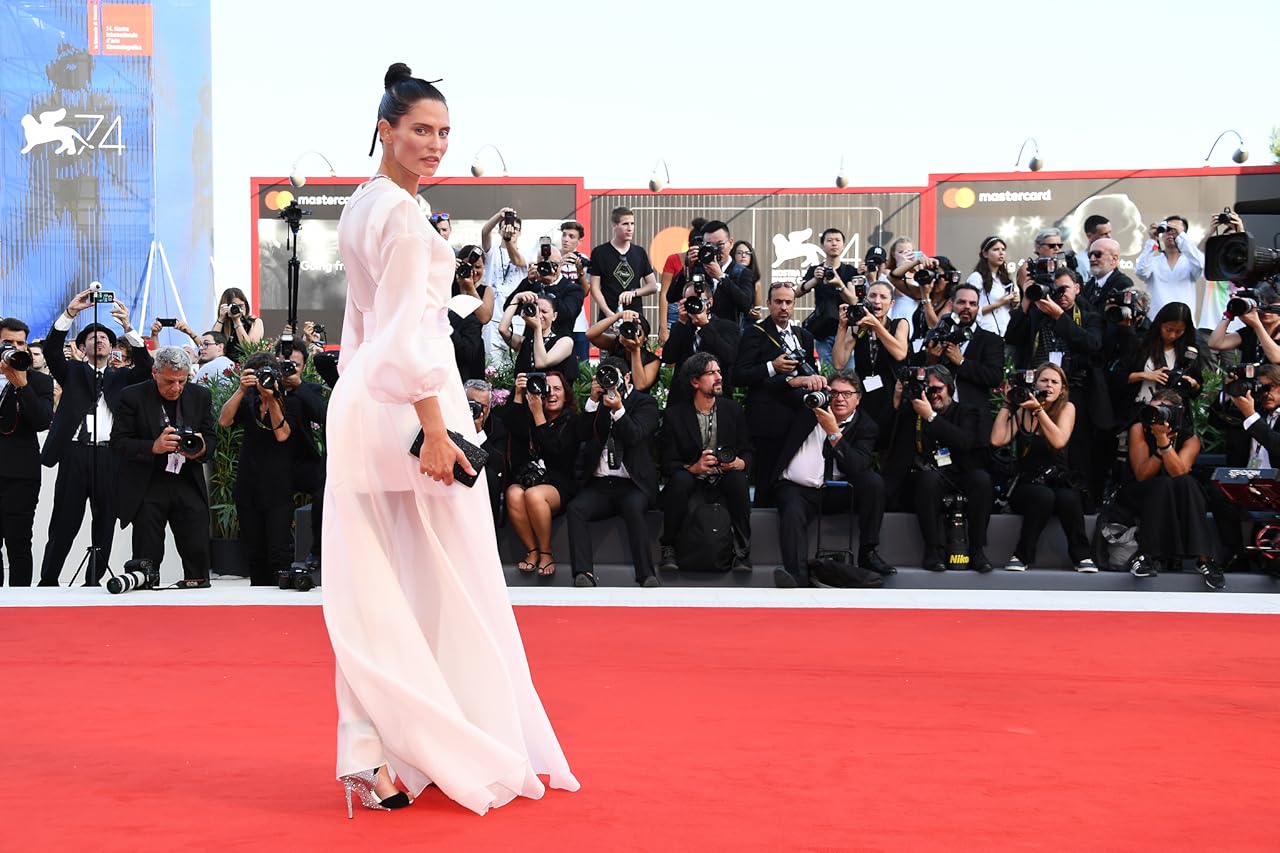
One year after finishing chemotherapy for ovarian cancer, Italian supermodel Bianca Balti is using her hair regrowth to talk about survival, identity and the slow return to normal life. The Sports Illustrated Swimsuit alum, who previously shared that she was diagnosed with stage 3C ovarian cancer and carries the BRCA1 gene mutation, is now reflecting on what it means to see her curls come back. Her evolving look has become a visual record of a wider transformation that began long before the first strands reappeared.
Balti has been unusually open about her medical choices, from preventative surgery to aggressive treatment, and now about the mundane yet emotional reality of watching her hair grow millimeter by millimeter. Her story offers a rare, high-profile window into how cancer care intersects with beauty standards, motherhood and the pressure of a modeling career.
From diagnosis to shaved head: a model confronts ovarian cancer
The turning point in Bianca Balti’s life came with a diagnosis of stage 3C ovarian cancer, a late-stage finding that she has linked to her status as a BRCA1 gene carrier. She had already spoken publicly about learning she had a BRCA1 mutation and choosing a preventative mastectomy, describing the experience as a strange situation in which she felt healthy but knew she was at higher risk for breast and ovarian cancers, a story she shared while reflecting on her BRCA1 diagnosis. That decision did not prevent her from later developing ovarian cancer, but it shaped how she approached the next crisis, with the same mix of pragmatism and candor.
After ovarian cancer was confirmed, she entered a grueling treatment plan that included surgery and chemotherapy. Reporting on her case notes that she underwent surgery and then started systemic treatment in late January 2025, with her care team targeting advanced disease that had already spread within the abdomen, as described in coverage of her surgery and treatment. She has spoken about feeling “as alive as ever” even while receiving chemotherapy, choosing to frame each infusion as a step toward more time with her daughters rather than only as a loss of control over her body.
“Resilient” hair and a changing relationship with beauty
Hair loss arrived as a visible marker of that sacrifice. Balti documented the moment she shaved her head and later the early fuzz of regrowth, treating those images as a kind of diary. In one widely shared clip she revisited her shaved head and then showed the tight curls that have grown in over the past year, calling her hair “resilient” and marveling at how it has changed texture since chemotherapy, a theme that runs through her recent Instagram reel. For a woman whose career has depended in part on long, glossy hair, the decision to broadcast that vulnerability signaled a deliberate reframing of what beauty looks like after cancer.
Her reflections on this regrowth have been as much emotional as physical. In interviews about her ovarian cancer journey, she has described feeling unexpectedly grateful for every awkward in-between stage, from the buzz cut to the uneven bob, because each phase meant her body was recovering from chemotherapy. Coverage of her comments on hair and healing notes that she has urged followers not to take their hair for granted and has framed the new curls as proof that her body is still capable of repair, a point repeated in profiles of her post-chemo hair. For many patients, hair loss can feel like a public announcement of illness; Balti has tried to flip that script by treating regrowth as a public celebration of survival.
Genetics, advocacy and why her story resonates
Bianca Balti’s ovarian cancer was not an isolated stroke of bad luck. She has repeatedly connected it to her identity as a BRCA1 carrier, a genetic status that significantly raises the risk of breast and ovarian cancers. Public health resources on BRCA gene mutations explain that BRCA1 and BRCA2 changes can dramatically increase lifetime cancer risk for young women and their families, a reality reflected in educational material on hereditary breast cancer. Balti’s willingness to say she is a BRCA1 carrier, and to link that to both her preventative mastectomy and her later ovarian cancer, has turned her into an informal educator for followers who may never have heard of the gene before.
Her advocacy has expanded beyond her own feed. A campaign post describes Bianca Balti as a mother, model and advocate who was diagnosed with stage 3 ovarian cancer and now supports an initiative called Ovaries. Talk About Them, which pushes for earlier recognition of symptoms and more funding for research into late-stage disease, as highlighted in material about her work with Ovaries. Talk About. That framing matters because ovarian cancer is frequently diagnosed at advanced stages, when symptoms like bloating or abdominal pain have been dismissed for months. By tying her own story to a broader awareness push, she positions her hair journey as one small part of a larger fight for better outcomes.
More from Vinyl and Velvet:

Leave a Reply