

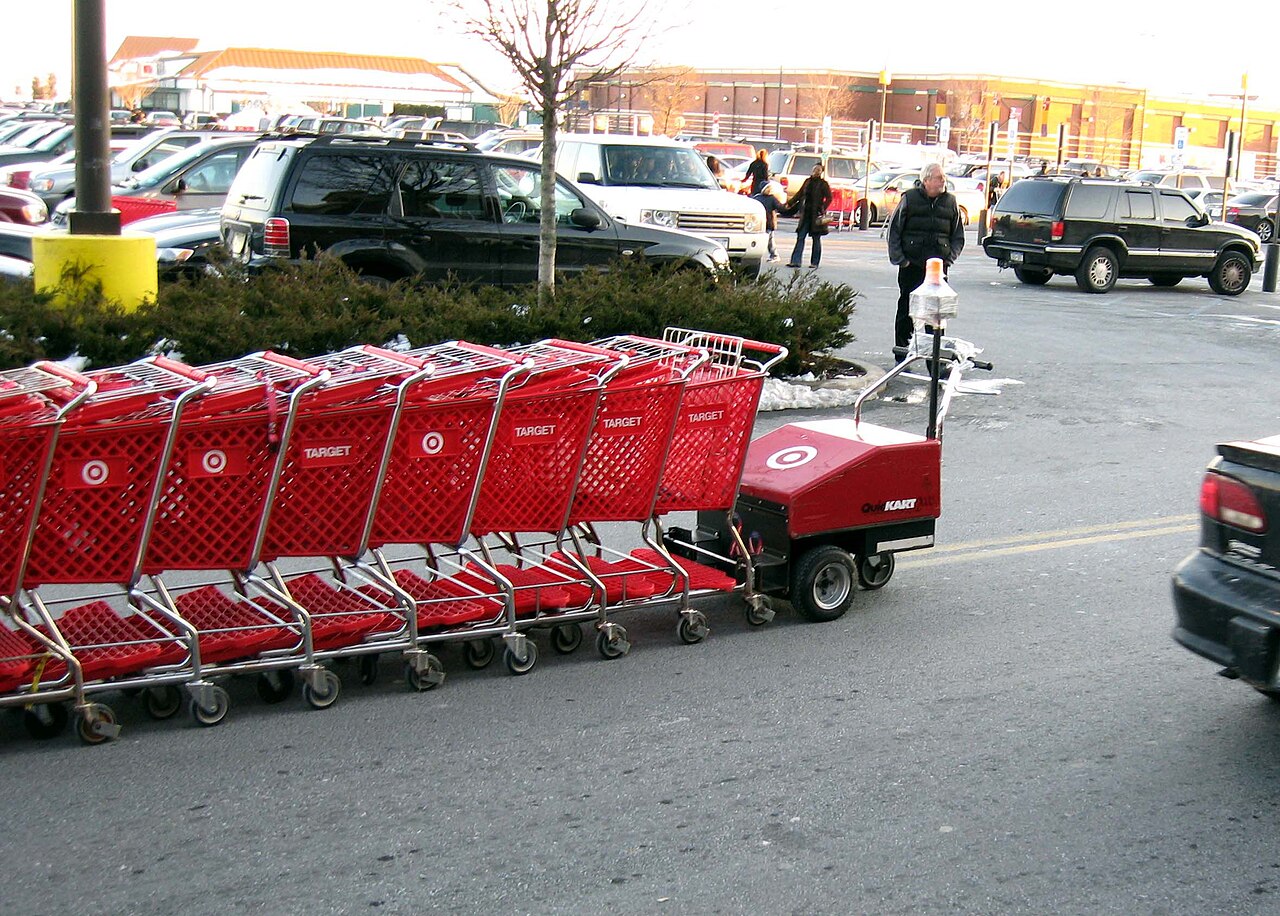
Shoppers who treat store parking lots like a drop-off zone for carts could soon be paying far more than a few dirty looks from fellow customers. A new wave of shopping cart enforcement rules is turning what many see as a minor etiquette lapse into a costly legal risk, with penalties that can climb to $1,000 for a single violation. The shift reflects growing frustration from cities and retailers that say abandoned carts are no longer just a nuisance, but a drain on public resources and neighborhood safety.
Behind the headline figure is a broader crackdown that targets both the people who wheel carts off store property and the businesses that fail to keep them contained. From Phoenix to Miami and Oklahoma City, lawmakers are testing aggressive penalties, new technology and dedicated retrieval crews to keep carts where they belong. Shoppers who ignore the rules may discover that a short walk to the corral is suddenly the cheaper option.
From pet peeve to $1,000 penalty
The most attention-grabbing change is the move to treat casual cart abandonment as a ticketable offense that can cost up to $1,000. In one example cited in Feb coverage, Shoppers in Miami are being warned that leaving carts scattered around lots or rolling them into nearby streets could trigger fines as local crews fan out to spot violations. Officials are not only targeting outright theft, but also the habit of pushing a cart home, then abandoning it on a sidewalk or in an apartment complex, which they argue shifts cleanup costs onto taxpayers and nearby residents.
Reports describe enforcement teams actively hunting for carts and the people who misuse them, with some coverage pointedly calling out LAZY shoppers who treat store trolleys as free personal wagons. The $1,000 ceiling is designed as a deterrent rather than a routine ticket, but its presence in local ordinances signals a clear message that casual cart misuse is being recast as a serious offense. For residents who have long viewed carts as handy for moving groceries or laundry a few blocks, that shift could mean a painful financial surprise.
Phoenix’s GPS experiment and retailer crackdowns
Phoenix offers one of the clearest examples of the new approach. A city ordinance that took effect on Jan 15 requires retailers to keep carts on-site using physical barriers, staff patrols or technology such as GPS trackers on carts that leave store property. Instead of ticketing individual shoppers first, the rule puts pressure on supermarkets, big-box chains and discount stores to invest in containment systems or face fines when their carts end up in alleys and canals. The City of Phoenix has framed the measure as a response to blight and safety hazards, pointing to carts that block sidewalks, collect trash and attract vandalism.
Retailers, for their part, are racing to adapt. In the days leading up to the change, coverage described Final days before the law took effect, as chains installed wheel-lock systems that freeze carts at lot boundaries and posted new signs warning SHOPPERS not to remove them. Another report described a Jan rollout framed as a New cart crackdown starting TODAY, with $1,000 fines hanging over noncompliant stores that fail to adopt adequate protocols to curb the issue. Some residents worry that retailers will pass the cost of GPS hardware and retrieval services onto prices, while others welcome cleaner streets and fewer stray carts near bus stops and parks.
States escalate penalties for cart theft
Alongside city-level rules, state lawmakers are revisiting how criminal codes treat shopping cart theft. A video summary of one measure explains that a bill initially set the theft of a cart as a misdemeanor punishable by up to a year in jail or a $1000 fine, before an amendment softened the penalty to include a lower $100 option that a judge could choose instead. That change reflects a broader tension: legislators want to send a signal that cart theft is not trivial, yet they face pushback from those who argue that jail time and four-figure fines are disproportionate for taking a metal basket that may cost a store less than a mid-range smartphone.
In Oklahoma, the debate is even more explicit. One report describes how House Bill 1689, promoted under the banner that Stealing is already want a dedicated law that specifically targets removing a cart from a retail establishment. Supporters argue that existing theft statutes do not give police and prosecutors clear tools to deal with widespread cart losses, while critics question why lawmakers would carve out a special category for an offense that is already illegal. The political fight underscores how something as mundane as a grocery cart has become a flashpoint in broader arguments over property crime and criminal justice priorities.
Why cities say carts are no longer harmless
Municipal leaders justify the new penalties by pointing to the cumulative impact of carts that drift far from store lots. One national overview notes that United States, regulations aimed at unattended or abandoned carts have multiplied, with cities treating them as public safety hazards that can block emergency access, trip pedestrians or clog drainage systems. Each stray cart also costs money to retrieve, repair or replace, and local governments argue that those expenses ultimately show up in higher prices or higher taxes if retailers and property owners do not shoulder them directly.
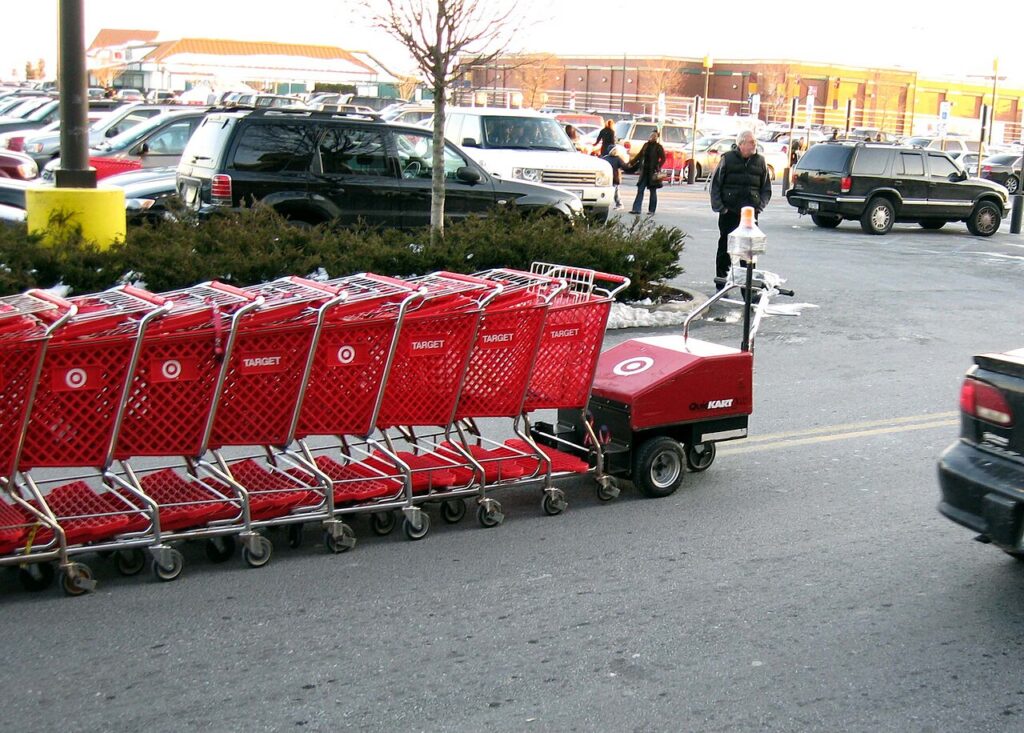
Residents see the problem at street level. One feature on a snow-covered lot showed an empty Target trolley stranded far from the store, accompanied by a warning that Jan Customers should pay attention to new cart rules because cleanup costs may be passed on to consumers. Another report on Phoenix stressed that City of Phoenix now treats abandoned carts as a serious public safety hazard tied to neighborhood blight. For officials, those visuals help explain why a forgotten cart is no longer just an annoyance, but evidence of a broader breakdown in how shared spaces are treated.
How enforcement reaches from parking lots to front doors
The new rules do not stop at store property lines. In some cities, retrieval crews now comb surrounding neighborhoods for carts, then trace them back to stores and, in certain cases, to individual households. One report describes how Shoppers facing $1,000 can find crews photographing carts left outside apartment buildings, then working with property managers to identify likely users. The same coverage singles out residents who admit using carts to carry laundry or groceries home, only to abandon them on sidewalks, as prime examples of behavior the new rules aim to curb.
For retailers, the enforcement net is just as tight. A separate report on Jan preparations described Final hours before a NEW cart law took effect, with store managers warned that failing to implement surveillance, locking mechanisms or retrieval contracts could expose them to $1,000 penalties per violation. Another piece on States Crack Down on Shopping Cart Theft With Harsh New Penalties notes that some jurisdictions now treat walking off with a cart as a direct ticket to court, with Florida, for example, hitting first-time offenders with fines and potential jail time. Together, these measures show how the humble cart has become a test case for how far cities and states are willing to go in policing everyday behavior.
More from Vinyl and Velvet:

Leave a Reply