

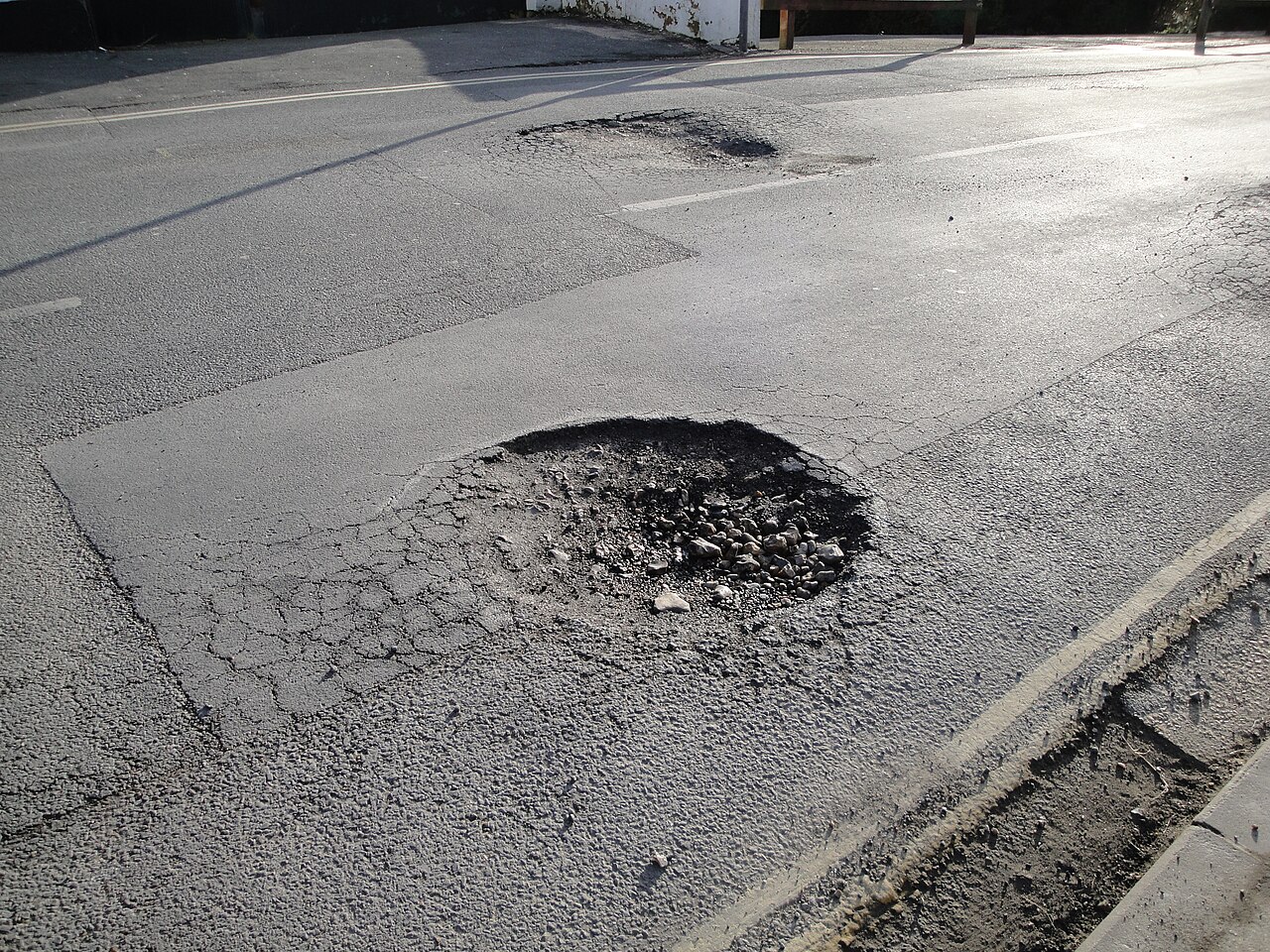
Across the country, homeowners are discovering that the line between their front yard and the public street is not as clear as it looks. City lawyers are leaning on old property laws to shift the cost of curbs, gutters and even road damage onto private residents, and critics warn that the strategy could leave streets in worse shape while neighbors fight it out in court. The result is a slow burn of anger, as residents who already pay property taxes are told they also have to bankroll the very infrastructure that keeps their homes accessible.
The clash is not just about money. It is about who controls how streets are built, who is blamed when they crumble, and whether local governments can treat basic road access as a special perk instead of a shared obligation. From small disputes over unaccepted subdivision lanes to high-profile court fights, the rules around road maintenance are being rewritten one lawsuit at a time.
When a curb becomes a constitutional fight
In PIERRE, a group of homeowners recently showed how far they were willing to go when a city tried to make them pay for new curbs and gutters in front of their houses. They argued that the city’s special assessment scheme effectively forced them to fund public infrastructure that would benefit the wider community, not just their properties. After years of wrangling, The South Dakota Supreme Court agreed that the way the city structured the charges for the curb and gutter work on their homes violated the U.S. Constitution, handing a rare victory to local property owners who challenged city hall head on. That ruling, described in detail through local reporting, has quickly become a touchstone for critics who say cities are stretching their authority.
The constitutional pushback comes as other communities wrestle with how growth pressures collide with local rules. In Hermosa Beach, for example, residents watched a proposal for a 50-foot tall apartment building test a local height limit of 30 feet, with neighbors questioning whether the city was bending long-standing standards to accommodate new development. While that dispute centers on building height rather than pavement, the underlying tension is similar: homeowners see local governments reinterpreting rules in ways that reshape their streetscapes and potentially their property values, then asking them to absorb the fallout.
The murky world of “private” roads
Beyond high-profile court fights, a quieter set of conflicts plays out on unaccepted roads that look public but are technically private. In many new subdivisions, the builder constructs the street, keeps ownership, then asks the town for a connection to an existing public right of way. As one detailed explanation of this process put it, builder builds the, which is theirs, and only after the town accepts it does the maintenance burden shift to local government. Until that formal acceptance happens, homeowners who drive those streets daily can find themselves responsible for potholes, drainage failures and snow removal on what they assumed were city roads.
The gray area is not just theoretical. In one North Carolina neighborhood, residents who had lived in a subdivision for two decades suddenly learned that responsibility for fixing their deteriorating street was unclear. A legal explanation aimed at North Carolina Homeowners described how road maintenance liability gets murky when ownership records are incomplete and the city has never formally accepted the road. That kind of uncertainty can leave residents stuck between a developer who has long since moved on and a municipality that insists the street is private, even as garbage trucks and school buses rumble over the same cracked asphalt.
When public projects damage private homes
The fight over who pays for roads gets even sharper when public work on nearby infrastructure harms a private house. In Ohio, a homeowner named Schlegel claimed that county drainage projects near his property caused serious structural damage. After Schlegel filed a complaint, the case eventually reached the state’s high court, which examined whether the county could be held responsible for the harm to the nearby home. A detailed summary of the decision explained how the dispute over Property Owner Sues turned on whether government immunity shielded the county from liability when its infrastructure work allegedly worsened flooding and undermined the house.
The ruling split the justices, with Deters joining the chief justice’s dissent, a sign of how divided courts are on when local governments should pay for side effects of their own projects. That Ohio fight has already influenced broader debates over local liability, including efforts in New York where dozens of localities have started to eye stricter liability laws after a separate court decision expanded exposure for hazards that go unrepaired. For homeowners, the message is mixed: courts are more willing to let residents sue, but some local governments are racing to rewrite the rules so they are less likely to be on the hook the next time a public works project cracks a foundation.
Liability, potholes and the cost of bad roads
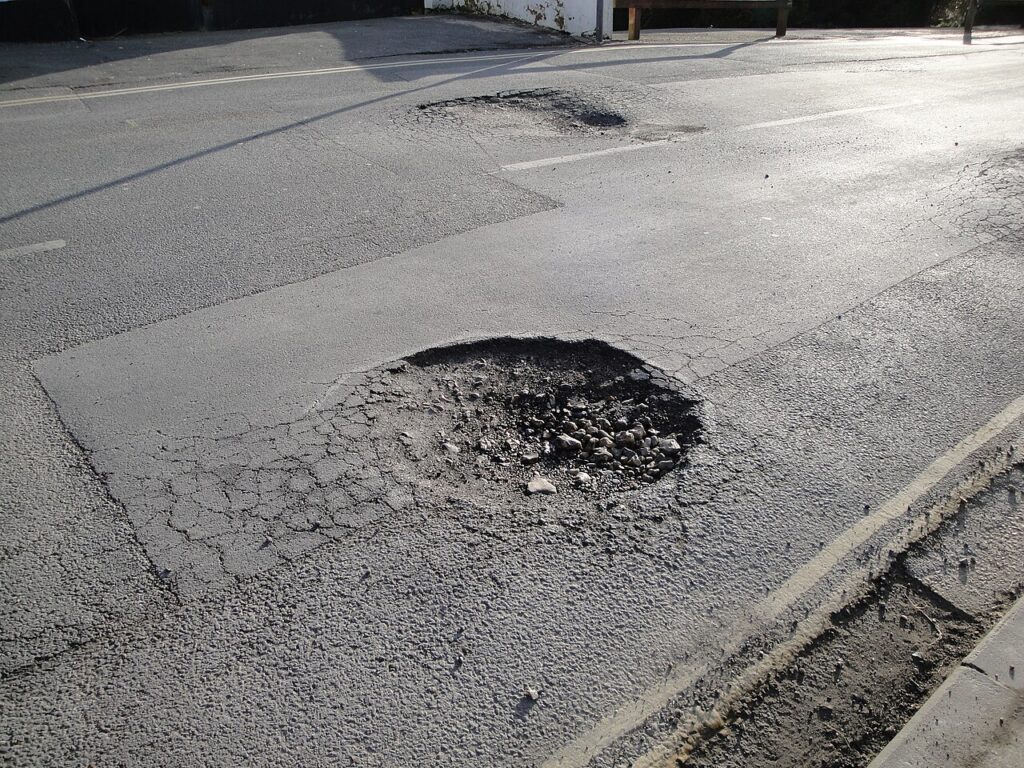
Even when homes themselves stay intact, bad roads can hit residents in the wallet every time they drive. Legal guides for motorists explain that If the City knew about a pothole and did nothing, drivers might recover property damage from a crash, but only if they navigate tight notice rules and immunity defenses. Another explainer on whether someone can sue a city for bad roads, shared in a video that starts on Jan 26, walks through how government accountability depends on specific statutes that often cap damages and limit when a claim can even be filed. The practical effect is that residents are told to keep paying registration fees and gas taxes while being warned that the bar for holding the city accountable is high.
Winter only compounds the tension. In the CAPITAL REGION, N.Y., for example, a legal segment featuring Elizabeth Guerin spelled out what happens if a snowplow tears up a mailbox or rips into a front yard. The piece, framed as advice on How to Handle, explained that while crews are racing to keep roads open in dangerous conditions, residents often have limited recourse unless they can show clear negligence. Even then, some municipalities set tight deadlines, sometimes as short as 45 days, to file a claim, which means a homeowner dealing with a ripped-up lawn has to become an amateur lawyer almost overnight.
Growth, flooding and the next wave of fights
As housing pressures mount, the politics of who pays for infrastructure are colliding with debates over density. Commentators in California have argued that Increasing densities through state housing laws has not actually reduced local fees or regulations, and has instead sparked pushback from city governments and existing residents. In Maryland, a discussion of missing middle housing noted that Despite the merits of adding duplexes and small apartment buildings, local opposition often stems from real worries about whether aging pipes, streets and drainage systems can handle more residents. In that context, shifting road and curb costs onto homeowners can feel less like a neutral policy choice and more like a way to make long-time residents quietly subsidize growth.
When the infrastructure fails, the damage can be dramatic. In North Miami, On Jan 20, Bicaba and her husband, Irenee, filed suit after repeated flooding they linked to a nearby development. Bicaba and Irenee accused Citadel Pl of construction decisions that left their neighborhood dealing with continuous flooding and significant damage, turning what should have been a normal rainy season into a standing water nightmare. Their case underscores how new projects can change drainage patterns in ways that leave existing homeowners paying for pumps, repairs and higher insurance, even when they had no say in the approvals that set those problems in motion.
More from Vinyl and Velvet:

Leave a Reply