

You get a rare, candid moment when Prince William steps into Prince George’s world during a royal visit. The brief scene — William trying a hobby his son loves — reveals a relaxed, playful side of royal family life that usually stays private.
You see how shared interests can build real connection: William joining George’s favorite pastime offers a clear example of father-son bonding in action.
Expect a closer look at what William tried, how it reflects the family’s sporting and leisure values, and what moments like this say about growing up royal and keeping family life grounded.
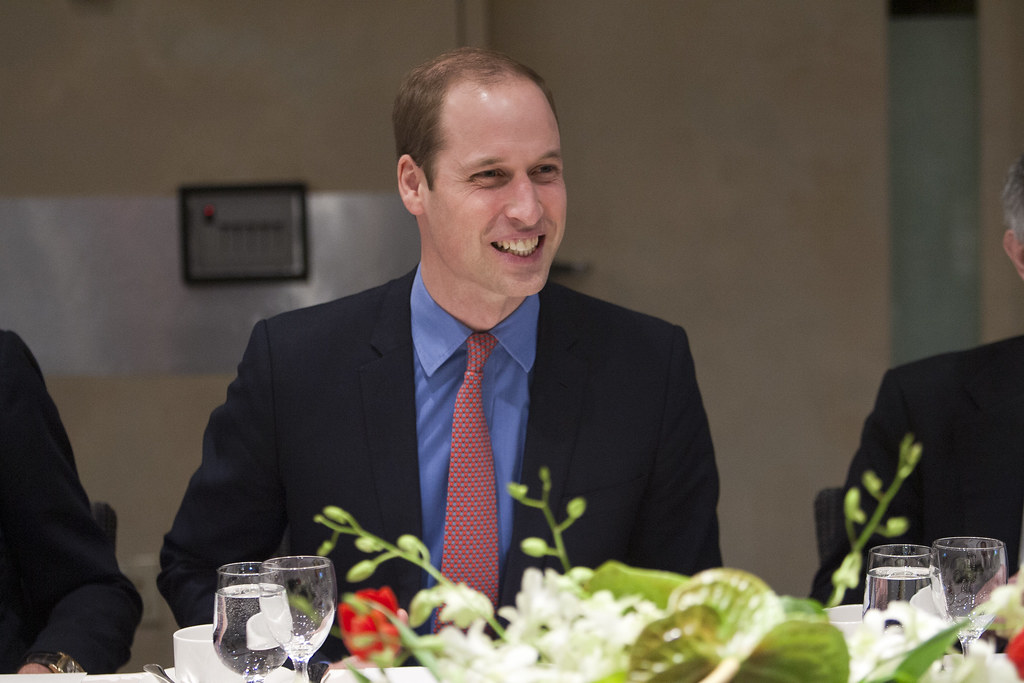
Prince William Joins Prince George’s Favorite Hobby on Royal Visit
The Prince of Wales tried competitive gaming during a visit to Riyadh, stepping into a public esports setting and playing Rocket League alongside Saudi organizers and players. The encounter highlighted both a diplomatic engagement and a personal, family connection to video games.
Inside the Esports Tournament With Prince Faisal bin Bandar bin Sultan Al Saud
William visited Misk Sports City and the S.E.F. Arena, where he met officials from the Saudi Esports Federation and joined events run by Prince Faisal bin Bandar bin Sultan Al Saud. Organizers briefed him on tournament format, youth participation, and women’s programs taking place at the venue.
He watched matches and spoke with coaches and competitors about training routines and pathways into professional play. Staff explained how the federation supports grassroots development and local leagues, and William asked about safeguarding and age‑appropriate participation for youngsters.
Security and scheduling shaped his time in the arena, so interactions remained concise but focused on inclusion and competitive structure. The visit underscored the federation’s role in building infrastructure while giving William a direct look at organized esports in Saudi Arabia.
Rocket League Showdown: The Royal Experience
At the S.E.F. Arena, William played Rocket League — the car‑soccer game Prince George reportedly enjoys — against a federation representative. The matchup used standard online rules: three‑player teams, short rounds, and boost management, which allowed the Prince to grasp gameplay quickly.
Observers noted easygoing competitiveness rather than formal ceremony; commentators explained mechanics like aerial play and rotations while players demonstrated basic tactics. William reacted to goals and saves with visible enthusiasm, asking practical questions about training tools, monitors, and controller setups used by youth teams.
The session emphasized the social and skill elements of Rocket League, not high‑stakes competition. It provided a photo‑opportunity that doubled as informal diplomacy, showing a senior royal engaging with a modern pastime alongside Saudi esports leaders.
Prince George’s Passion for Video Games and Gaming Rules at Home
William has previously said Prince George enjoys video games and swimming, and this public gaming moment connects to that private interest. At home, the family reportedly balances gaming with limits on screen time and supervised play to keep activities age‑appropriate.
William and Kate focus on structured routines: they encourage outdoor sport and schoolwork while allowing digital hobbies within agreed rules. Those rules often include monitored content, time limits, and shared play to keep gaming social and educational rather than purely recreational.
This approach reflects wider royal parenting priorities about preparation for future responsibilities, mixing normal childhood interests with oversight. The public glimpse of William playing Rocket League offered reassurance that the family engages with the technology their children use.
Family Hobbies, Sporting Traditions, and Bonding Beyond the Screen
The Wales family often blends outdoor sports, water activities, and limited tech use to create shared moments. Their choices highlight privacy, deliberate screen limits, and active pastimes that include swimming, rugby, and family trips.
The Royal Approach to Technology, Screen Time, and Privacy
William and Catherine set clear boundaries around devices for their children. They prioritize in-person family time and control what appears publicly, using consent and privacy decisions when sharing images or details during a royal engagement or tour.
The family avoids routine public broadcasts of private moments; official releases come through vetted channels and adhere to a privacy policy shaped by safety and consent. That approach affects how the children — including Princess Charlotte and Prince Louis — experience media and social contact, keeping much of their daily life shielded from public scrutiny.
Technology enters selectively: video games and football clips may appear in controlled settings, but screens don’t replace outdoor sport. The practice reduces incidental exposure and protects young female footballers or other sports role models from intrusive coverage around the children.
Scuba Diving and Swimming: Shared Water Adventures
Swimming has clear family roots: William’s collegiate water polo and Catherine’s cold-water swims influenced their children’s exposure to water sports. William mentioned introducing Prince George to scuba diving at a community pool visit, reflecting hands-on teaching rather than passive observation.
The family has used specific venues, such as the Birtley Community Pool in Tyne and Wear, for public engagements that also showcase swimming initiatives and Olympic connections. William met swimmers like Adam Peaty and Tom Dean there, reinforcing competitive swimming’s role in the kids’ lives and community access to pools.
Beyond pools, the family has taken marine trips — Prince George reportedly tried diving near the Belize Barrier Reef and South Water Caye on private family visits — combining conservation awareness with skill-building. Those outings emphasize training, supervision, and respect for marine environments over risky thrill-seeking.
Parental Role Models: William, Kate, and Their Children’s Interests
William and Catherine model varied sporting interests: rugby and football for William; tennis and swimming for Catherine. They arrange lessons and exposure — for example, tennis coaching and stadium visits — to help Princess Charlotte, Prince Louis, and Prince George find activities that suit them.
The parents invite elite athletes during engagements to inspire the children. Meetings with Paralympians like Maisie Summers-Newton and swimmers such as Louise Fiddes provide visible role models and normalize elite sport for the kids. Female athletes and young female footballers get particular emphasis during events aiming to boost participation among girls.
Parents also limit publicity around lessons and private practice, keeping developmental stages out of headlines. That balance lets the children pursue rugby, football, scuba diving, or swimming while protecting everyday childhood from constant media attention.
More from Vinyl and Velvet:

Leave a Reply