

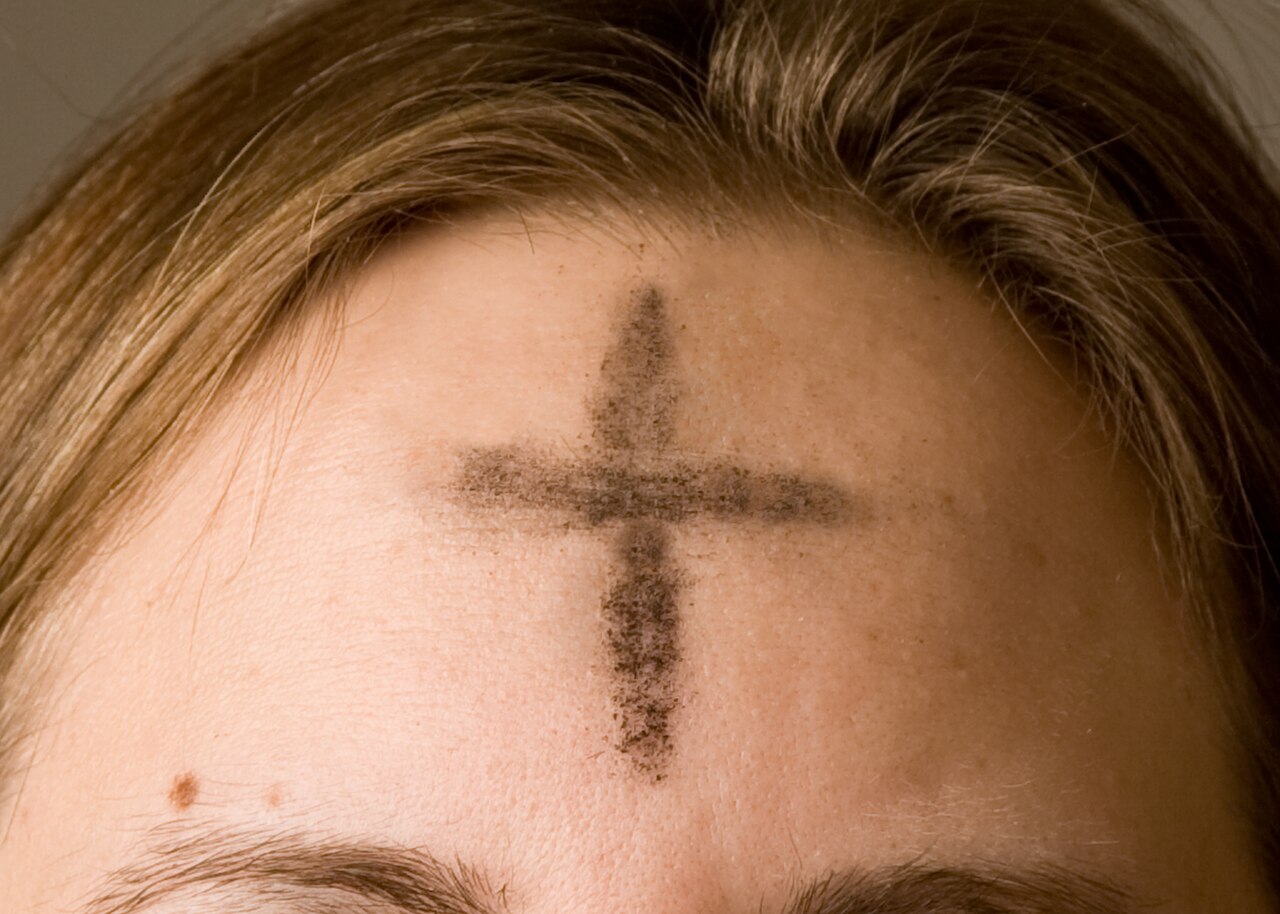
You can mark the start of Lent in a single moment: ashes on the forehead, a short phrase, and a choice to slow down. Ash Wednesday begins a 40-day season of focused prayer, fasting, and reflection meant to help people prepare spiritually for Easter.
They will explore what those ashes mean, how traditions vary, and why millions across many Christian traditions still observe this annual practice. Expect clear explanations of the ritual, practical ideas for observing the season, and how Lent’s forty days trace back to biblical and historical roots.
Ash Wednesday: Meaning, Traditions, and Observance
Ash Wednesday marks a deliberate turn toward repentance, prayer, fasting, and preparation for Easter. It centers on a short ritual—the imposition of ashes—that communicates mortality, sorrow for sin, and a commitment to spiritual change.
What Is Ash Wednesday and Why Are Ashes Used?
Ash Wednesday is the first day of Lent in the Western Christian calendar. Churches set the date 46 days before Easter so the 40 weekdays of Lent exclude six Sundays; in 2026 Ash Wednesday falls on February 18. Historically, ashes recall biblical practices of mourning and penance such as wearing sackcloth and applying ashes (see Genesis and Jonah). Many congregations prepare the ashes by burning palm crosses from the previous Palm Sunday, linking triumphal entry with penitential preparation.
Clergy or lay ministers distribute ashes during a short rite. They usually say a phrase like “Remember that you are dust,” or a scriptural exhortation drawn from passages such as Matthew 6. The visible ash cross gives individuals a tangible reminder of mortality and repentance throughout the day.
Symbolism of the Cross of Ashes and Repentance
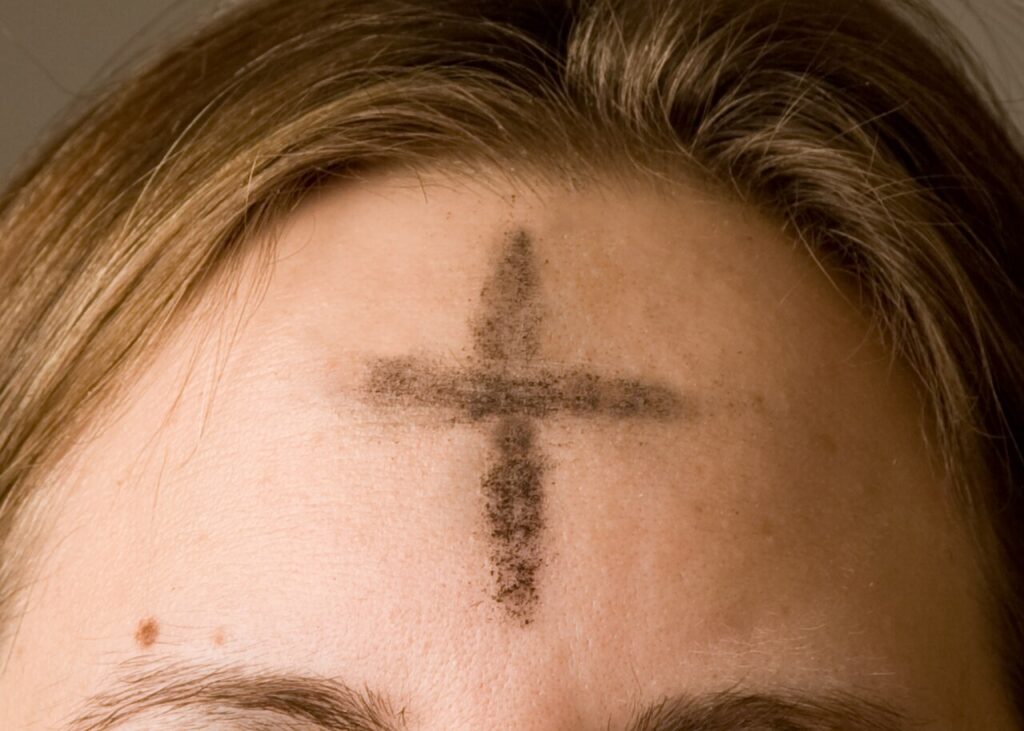
The cross of ashes on the forehead combines two meanings: mortality and the call to repent. Mortality comes from phrases such as “to dust you shall return,” which frame human life as finite. Repentance shows in the public, visible nature of the cross—wearing ashes signals inward contrition made outward.
People receive the ashes as both personal confession and communal witness. Some wear a small cross all day; others prefer a subtle mark. Many denominations emphasize that ashes direct attention toward spiritual practices—prayer, fasting, and almsgiving—rather than performative show. The mark also connects to Good Friday themes by foreshadowing the journey toward Jesus’ death and resurrection.
Who Observes Ash Wednesday Around the World
Catholic, Anglican, Lutheran, Methodist, and some Reformed and Anglican churches widely observe Ash Wednesday. In the United States, the Evangelical Lutheran Church in America and many Anglican parishes promote the imposition of ashes. Observance patterns differ by country: Italy and parts of Germany keep strong Catholic traditions, while the UK shows wide ecumenical participation in city-center services.
In Africa, Latin America, and parts of Asia, large public services and processions remain common. Some evangelical congregations and individual Protestants choose to receive ashes even if their denomination does not formally require it. Social media platforms—Facebook, Twitter, Instagram, and YouTube—often carry livestreams of Ash Wednesday services or short reflections from clergy, making the ritual visible beyond the church building.
The Ash Wednesday Service: Receiving Ashes
Services typically include Scripture readings, a brief sermon, communal prayers, and the imposition of ashes. The rite itself is simple: a priest or minister dips a thumb into the prepared ashes and makes a small cross on each worshiper’s forehead while speaking a short formula. Alternatives include sprinkling ashes on the crown of the head or placing them on the hand for those who prefer privacy.
Fasting and abstinence often accompany the service, with many Catholics refraining from meat on Ash Wednesday and Good Friday. Some parishes provide printed Lenten guides or 40-day devotionals and invite participants to commit to a Lenten discipline. Urban churches sometimes set up distribution stations for receiving ashes outside regular worship times so commuters and social-media followers can participate briefly and visibly.
Lent: The 40-Day Season and Its Importance
Lent is a focused period of prayer, fasting, and almsgiving that prepares Christians for Easter. It centers on repentance, self-discipline, and simpler living so believers can reflect on Jesus’ death and resurrection.
The Start of Lent: 46 Days Before Easter
Lent begins on Ash Wednesday, which this year falls 46 days before Easter Sunday. Churches count 40 days of fasting by excluding Sundays, since Sundays remain little Easters—weekly celebrations of the Resurrection.
Ash Wednesday’s ashes remind worshippers of mortality and repentance and mark the official start of the season in Western churches. Eastern traditions often begin Great Lent on Clean Monday, shifting the start date and including different fasting rules. The timing depends on the movable date of Easter, calculated historically after the Council of Nicaea; that council standardized the method Christians use to set the date of Easter.
Fasting, Abstinence, and Key Lenten Practices
Fasting and abstinence form the backbone of Lenten observance. Roman Catholics typically fast on Ash Wednesday and Good Friday and abstain from meat on Ash Wednesday and Fridays; many also practice additional voluntary fasts or give up specific luxuries. Eastern Orthodox rules are stricter, often limiting meals and excluding meat, dairy, and sometimes oil and wine on many days.
Almsgiving and acts of charity are equally important, encouraging concrete help for those in need. Prayer and frequent attendance at midweek services, Stations of the Cross, or Lenten devotions deepen spiritual renewal. Many Protestant denominations emphasize Bible study, repentance, and intentional practices rather than formal fasting laws.
Biblical Roots: The 40 Days and Spiritual Renewal
The 40-day pattern echoes Jesus’ 40 days in the wilderness (Matthew 4:1–11), where he fasted and faced temptation before beginning his ministry. Early Christians adopted a period of preparation before Easter for catechumens and penitent members; over centuries this developed into the Lenten season observed today.
The Lenten disciplines—prayer, fasting, and almsgiving—seek inward change and outward charity. They function as spiritual tools: fasting disciplines the body, prayer reorients the heart, and almsgiving expresses love for neighbors. These practices aim for measurable habits: increased prayer frequency, concrete charitable acts, or a sustained reduction in certain comforts.
Dates, Holy Days, and the Lenten Journey to Easter
Lent ends at sundown on Holy Thursday or begins to give way to the Sacred Triduum (Holy Thursday, Good Friday, Holy Saturday), depending on tradition. Key markers include Palm Sunday, which launches Holy Week; Maundy Thursday (the Lord’s Supper); Good Friday (the Passion); and the Easter Vigil that celebrates the Resurrection.
Shrove Tuesday (Pancake Tuesday) precedes Ash Wednesday as a last feast day; some traditions observe Clean Monday or other local customs. Because Easter is a moveable feast, Lent’s calendar shifts each year, but the sequence of preparation, commemoration, and celebration stays constant across many Christian denominations. For practical dates and observance details, see how Lent relates to the beginning of the Lenten season.
More from Vinyl and Velvet:

Leave a Reply