

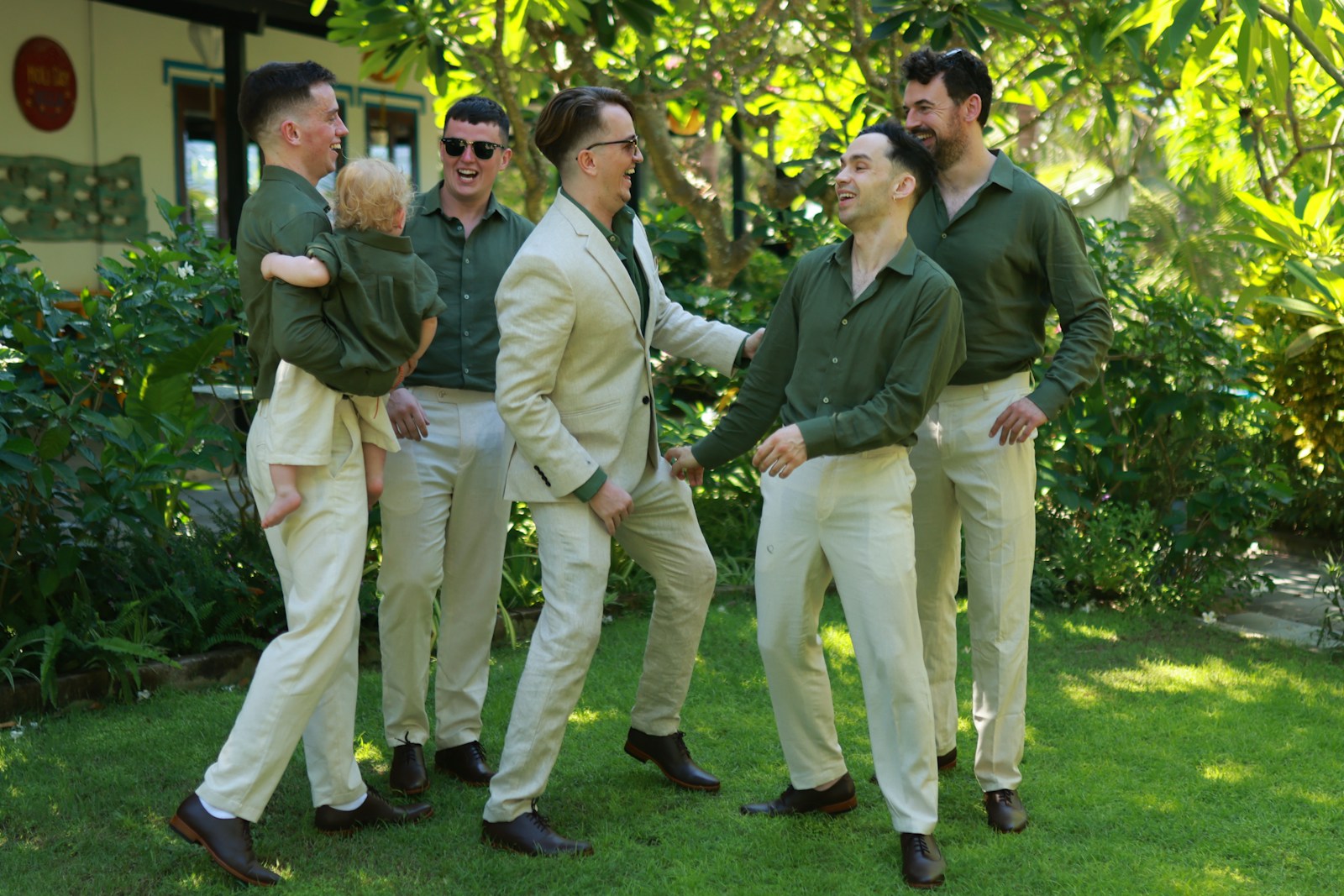
You’re seeing men say “I love you” more often, and it’s changing how close relationships form between men. Emotional openness is shifting from a private vulnerability into a clear strength that helps men build deeper, more supportive friendships.
This piece shows how that shift is playing out in everyday life and why experts now link emotional honesty with resilience, trust, and better mental health. Expect real examples, cultural context, and practical takeaways that explain how and why male friendships are evolving.
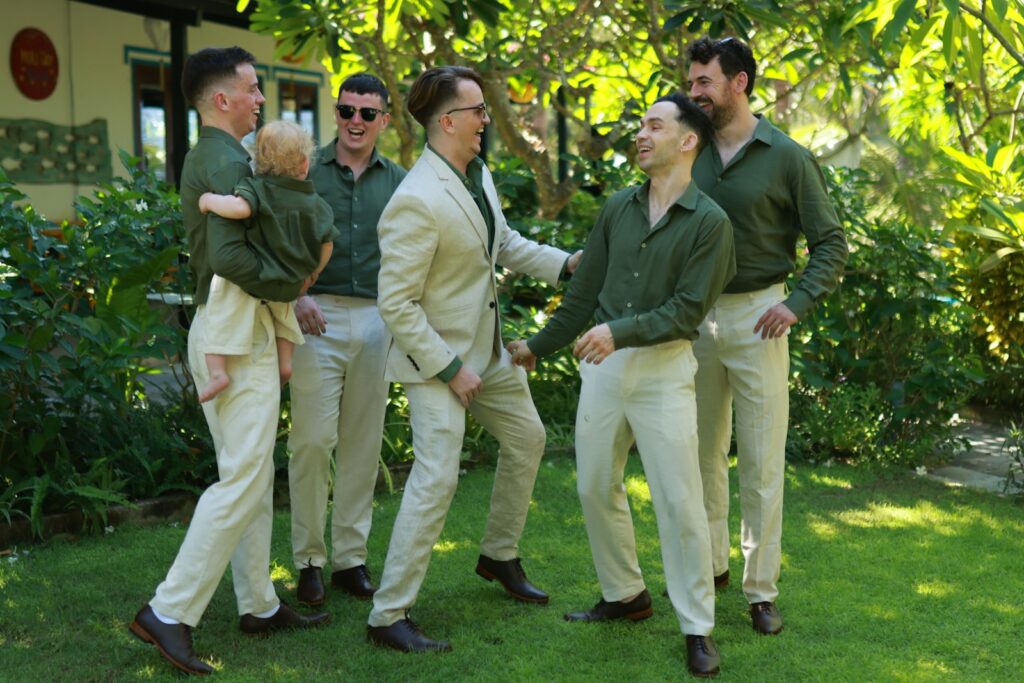
The Shift: How Male Friendships Are Evolving
Men increasingly trade old stoicism for clearer emotional language, deeper vulnerability, and active listening. This change shows in everyday moments: longer check-ins, explicit “I love you” statements, and friends supporting mental health care.
Breaking the Silence: Men Expressing Love
More men now say “I love you” to close friends during check-ins, after difficult events, or at life milestones. Those phrases often follow concrete behaviors — driving a friend to an appointment, staying overnight during a crisis, or calling regularly — which makes the words feel earned rather than performative.
Expressing affection combines verbal cues with actions: hugging, offering practical help, and naming feelings. Men report that stating care directly reduces anxiety about relationship boundaries and clarifies support expectations.
This shift also changes reciprocity. When one man names his feelings, others often respond in kind or show support through service. That pattern strengthens trust and makes it easier for men to seek therapy or admit burnout without fearing judgment.
From Toxic Masculinity to Emotional Openness
Traditional norms that equated toughness with silence are loosening as men redefine strength to include vulnerability. Instead of avoiding emotions, many now frame emotional honesty as a tool for resilience and problem-solving.
Groups, podcasts, and workplaces model emotionally literate behavior: teammates practice check-ins, friends use clearer language about needs, and public conversations challenge shaming language. This replaces policing of feelings with rules about consent and respect.
Shifting away from toxic masculinity does not erase all pressures. Men still navigate expectations about competitiveness and emotional control. But when friend groups endorse openness, men feel safer disclosing depression, anxiety, or relationship struggles and seeking help.
Generational and Cultural Influences
Younger generations, particularly Millennials and Gen Z, adopt emotional openness faster, influenced by social media conversations and mental health advocacy. They normalize language like “I’m struggling” and recommend therapy, which older men may view as practical rather than performative.
Cultural context matters: some communities retain stricter norms about male reserve, while others blend familial caregiving roles with friendship intimacy. Intersectional factors — race, class, and sexuality — shape how men can publicly express affection without social cost.
Media examples and research highlight trends: shows and podcasts demonstrate platonic affection, and surveys indicate declines in men reporting many close friends, prompting deliberate efforts to rebuild networks. Practical steps — scheduling regular meetups, naming support explicitly, and modeling vulnerability — accelerate cultural change.
Emotional Openness as a Strength
Men who practice emotional openness often report closer daily support, clearer communication, and less misunderstanding in friendships. Saying vulnerable things and using direct affection reshapes expectations and makes practical support easier to offer.
The Impact of Saying ‘I Love You’ Among Men
When a man says “I love you” to a friend, the phrase often lowers social distance instantly. It signals explicit care and creates permission for reciprocal honesty. In many cases this reduces repeated testing behaviors—like sarcastic teasing or one-upmanship—because the emotional intent becomes clear.
That phrase also changes how crises get handled. Friends who hear verbal affirmation are likelier to check in after a breakup, call during a health scare, or show up for small, routine needs. The risk of being misread exists, but clear context (e.g., “I love you, man” after a hard day) keeps the comment platonic and actionable.
Benefits of Vulnerability in Friendships
Vulnerability converts abstract loyalty into predictable action. When men name feelings—worry, pride, grief—friends can respond with specific help: a listening session, a ride to an appointment, or a concrete offer like “I’ll come help move your stuff Saturday.” That reduces loneliness and spreads practical burden.
Emotional openness also strengthens trust. Repeated small disclosures build a track record that friends will not weaponize secrets. Over time this lowers social guardrails, allowing emotional labor to be shared rather than hoarded. Studies and commentators note declines in male loneliness where men practice this kind of emotional honesty.
Practical Ways Men Can Foster Deeper Connections
Start with low-stakes language: “I appreciate you” or “That meant a lot” after an event. Those phrases sit easier for many men and still communicate warmth. Use ritualized check-ins—weekly text threads or post-game calls—to normalize regular emotional exchange.
Pair words with actions. If a friend shares stress, follow up with a specific offer: “Want coffee tomorrow?” or “I can watch the kids for an hour.” Model vulnerability by admitting small needs first; when one man asks for help, it licenses others to request it. Over time, these patterns reshape group norms and make saying “I love you” feel natural rather than risky.
More from Vinyl and Velvet:

Leave a Reply