

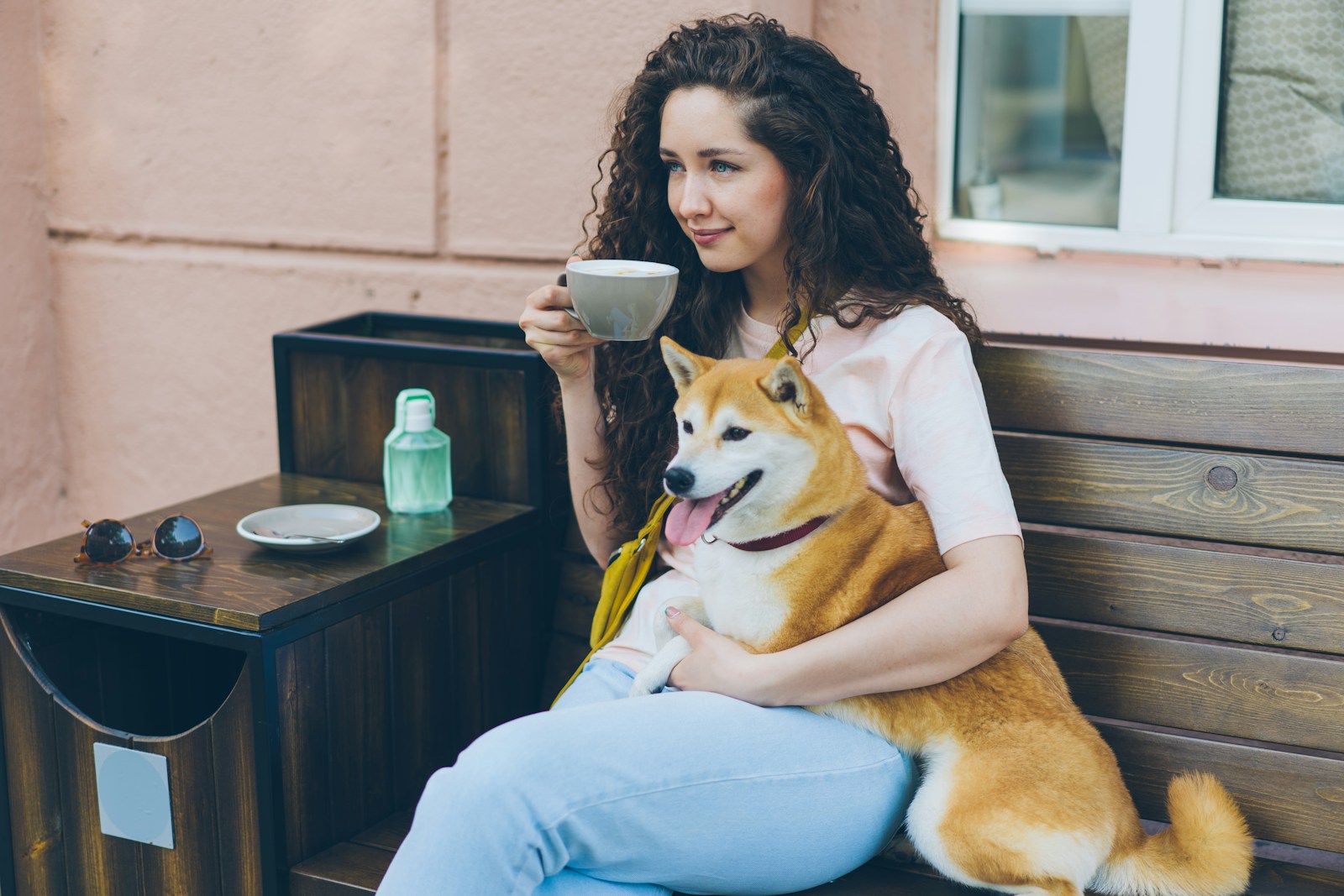
You’ll notice the places you go—from parks to cafés to apartment lobbies—look different as more households add dogs. Experts link rising dog ownership to broader social changes that also help explain falling birth rates, and that shift is already changing how families organize time, money, and space.
They point to economic pressures, changing social networks, and lifestyle preferences that make dogs a practical and emotional alternative for many people. The rest of the article explores why dogs may soon outnumber children in the U.S., and how that trend is reshaping family life, neighborhoods, and everyday social norms.

Why Dogs May Soon Outnumber Children in the U.S.
Dog ownership has grown while birth rates have fallen, reshaping household composition, caregiving choices, and neighborhood services. Economic pressure, lifestyle preferences, and changing social norms each play a clear role in why more households now prioritize pets over children.
Trends in Dog Ownership vs. Birth Rates
Dog ownership in the U.S. rose sharply after 2020, driven partly by pandemic adoption spikes and continued urban and suburban demand for companionship. Recent surveys show higher ownership among younger adults and dual-income households, groups that also report delaying or forgoing children.
Conversely, the U.S. fertility rate has trended downward for years, with fewer women having children and having them later. Lower birth rates reflect both reduced total births and smaller completed family sizes, creating a widening gap between the number of household pets and children. Municipal pet registration increases and national pet-industry growth metrics back up the shift toward more dogs per household.
Cultural Shifts in Family Structures
Families now form around varied caregiving arrangements beyond biological parenting. People treat pets as central household members, assigning them roles once reserved for children: emotional labor, daily routines, and consumer spending priority.
This cultural change links to weaker extended-family networks, later marriages, and higher single-adult households. Many cite emotional fulfillment from pet care without the long-term obligations of childrearing. The result: more households opt for “pet parenting” as a deliberate family structure rather than a stopgap.
Economic Factors Impacting Family Planning
Stagnant wages, rising housing costs, and childcare expenses push many to delay or decline parenthood. College debt and uncertain job markets amplify the financial calculus, making dogs a comparatively affordable, lower-risk caregiving option.
Pets still carry costs—veterinary care, food, and training—but those expenses typically peak over shorter time horizons than raising a child to adulthood. For many couples, the ability to maintain discretionary spending while caring for a dog outweighs committing to decades of child-related costs.
How the Rise of Dogs Is Reshaping Families and Social Norms
Households increasingly place dogs at the center of daily life, changing who makes decisions about time, money, and social activities. These shifts affect caregiving roles, neighborhood routines, community ties, and public policy conversations.
Dog Owners as Modern Caregivers
Many dog owners now organize schedules around feeding, walks, and vet appointments the same way parents organize childcare. Owners report choosing jobs with flexible hours or remote work to accommodate daily walks and training sessions, and some decline travel or change living arrangements to keep dogs nearby. Spending patterns reflect this priority: veterinary care, specialized diets, and pet services have become regular budget line items for millions.
This caregiving often resembles intensive parenting: owners track developmental milestones, celebrate birthdays, and seek training resources. Experts warn that treating dogs like children can reduce a dog’s independence and increase separation anxiety, so balanced caregiving that includes socialization and consistent boundaries matters for welfare.
Impact on Urban Neighborhoods
Dogs shape urban design and neighborhood routines through practical needs and social expectations. High dog density increases demand for off-leash parks, waste stations, and pet-friendly businesses, prompting cities to reallocate public space and adjust zoning rules. Residential listings increasingly advertise “pet-friendly” features such as fenced yards or nearby dog parks.
Routine behaviors shift too: morning and evening walks create regular pedestrian traffic, altering traffic patterns and local commerce. Conflicts arise around leash laws, noise, and waste, so municipal enforcement and community norms play big roles in how well neighborhoods adapt.
Social Isolation and Community Connections
For people who live alone or are geographically distant from family, dogs often provide routine, companionship, and a reason to leave the house. Regular dog walking increases incidental social contact—greetings, brief conversations, and shared park time—that can reduce feelings of isolation for both owners and non-owners who engage with dog-centered spaces.
However, reliance on dogs for emotional support can replace some human relationships. Clinicians note that while dogs alleviate loneliness, they do not fully substitute for human social networks or services. Communities that integrate dog-friendly public programs—group training classes, volunteer dog-walking programs, and shelter adopton events—tend to convert pet ownership into broader social engagement.
The Role of Policy and the Child Tax Credit
Economic policy indirectly influences family formation and pet ownership choices. Changes in benefits like the Child Tax Credit affect household budgets and decisions about having children versus prioritizing other expenditures, including pet care. When families face tight finances, pets can seem a lower-cost source of companionship than raising children, though lifetime pet expenses still add up.
Local policies also determine practical costs and responsibilities for dog ownership. Licensing fees, leash ordinances, and public funding for animal control or dog parks change the affordability and convenience of keeping pets. Policymakers balancing housing, family-support measures, and urban amenities will shape whether rising dog ownership complements or competes with broader social goals.
More from Vinyl and Velvet:

Leave a Reply