

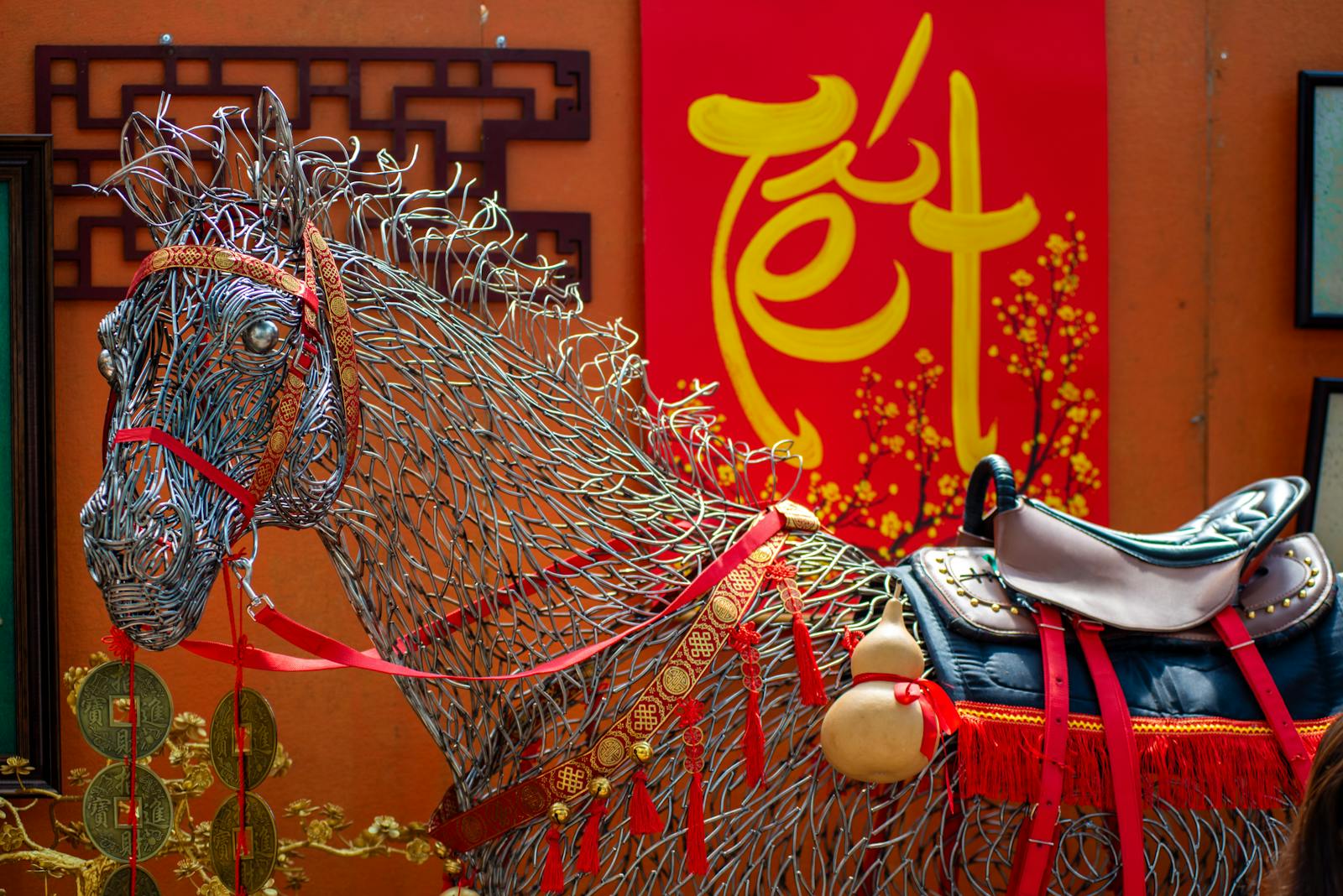
You scan social feeds and find the Fire Horse everywhere — memes, think pieces, and personal manifestos. It promises a symbolic reset for a generation juggling debt, climate anxiety, and stalled milestones, and many Millennials are treating it as a story that helps them make sense of where they are.
They click because the Fire Horse mixes tradition with viral culture: astrological lore, nostalgic rituals, and social-media rituals collide to offer rituals of meaning and fresh ways to imagine change. The article will unpack why those patterns resonate now and whether this feels like the cultural reboot many have quietly wished for.
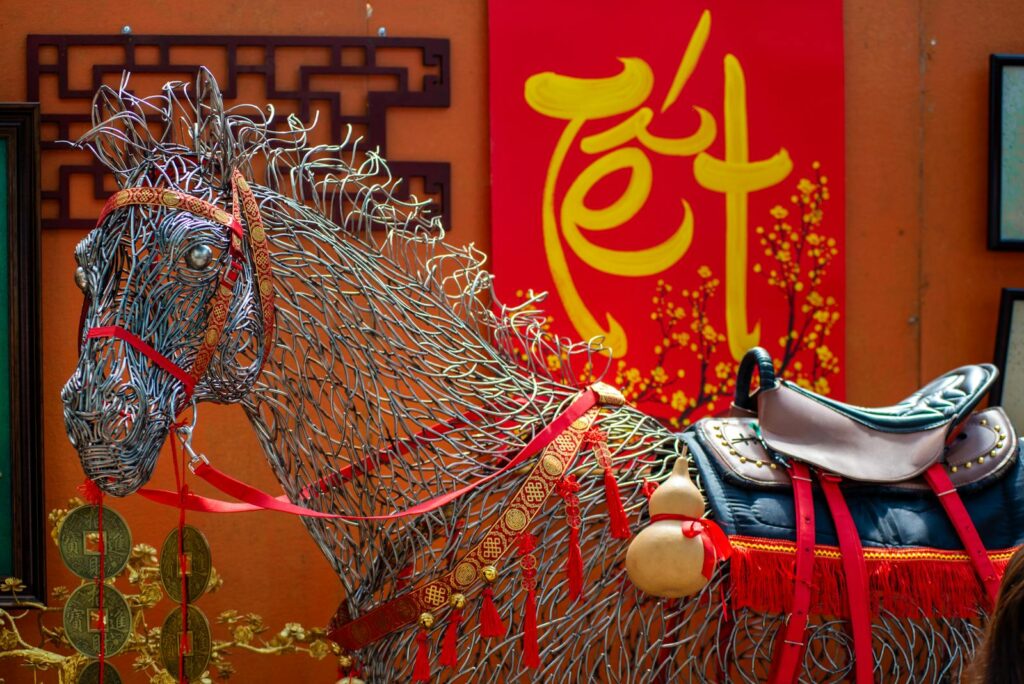
Lunar New Year “Fire Horse” Predictions: Why Millennials Care
Millennials are treating the Fire Horse as a moment to leave old patterns, embrace risk, and reset practical goals like careers and relationships. Social sharing, astrology crossover, and cultural memory all shape how they interpret this year’s energy.
What Is the Year of the Fire Horse?
The Fire Horse combines the Horse sign with the element of Fire in the 60-year Chinese sexagenary cycle.
The Horse represents independence, speed, and drive; Fire adds intensity, urgency, and a higher appetite for change. Together, this pairing is often described as bold and disruptive rather than subtle or steady.
Traditional practice ties the animal and element to personality traits and cyclical themes, not deterministic fate. For individuals, that translates into expecting faster change, higher stakes, and stronger calls to action—career jumps, moving cities, or ending stalled relationships. Cultural memory of prior Fire Horse years, such as 1966, also colors expectations of heightened social turbulence.
Social Media and the Viral Rise of Fire Horse Trends
Short videos and memes compressed the Fire Horse into shareable predictions that resonate quickly. TikTok trends, Instagram graphics, and viral listicles turned a lunar-cycle concept into daily content that millions scroll past and save.
Creators frame the year as a “reset” and tie it to numerology, eclipses, and personal storytelling. That packaging amplifies anxiety and hope simultaneously: quick narratives promise transformation while giving concrete actions—declutter, quit, apply, travel—that feel doable. Engagement metrics show how emotive hooks—breakups, job moves, “this will change my life” captions—drive spread, making the Fire Horse feel like a collective moment rather than an obscure calendar event.
Millennial Perspectives on Destiny and Renewal
Many millennials treat the Fire Horse as psychological scaffolding: a culturally framed permission slip to make bold choices. They cite its symbolism when deciding to leave toxic situations, start businesses, or try new relationships.
This generation prioritizes agency and reframes traditional astrology as a tool for planning rather than prophecy. Millennials often combine zodiac narratives with practical steps—goal lists, therapy, financial planning—turning symbolic meaning into measurable change. For those who grew up amid economic precarity, the Fire Horse’s promise of momentum appears as a concrete motivator to act now rather than wait.
Generational Attitudes vs. Traditional Lunar New Year Beliefs
Younger people treat Lunar New Year meanings as adaptable, while elders often emphasize ritual continuity and ancestral respect. Traditional observance focuses on family gatherings, offerings, and prescribed customs for luck and health.
Millennials overlay personal development language and social media aesthetics onto those rituals. This creates friction in some households but also renews interest in customs. Some communities see the viral attention as an opportunity for cultural education; others worry about commodification. The result is a hybrid practice where modern narratives about renewal coexist with longstanding ceremonial rhythms.
Is This the Reset Millennials Have Been Awaiting?
Many millennials treat the Fire Horse as a practical reset: a chance to leave toxic jobs, restart relationships, and pursue clearer goals. The next paragraphs examine symbolic meaning, concrete life changes people are making, and the debates between skeptics and believers.
A Symbolic Fresh Start for Millennials
The Fire Horse blends Chinese zodiac meaning with contemporary desires for change. Millennials often describe the horse as symbolizing freedom, speed, and a break from stagnation — traits that resonate after years of economic uncertainty and pandemic disruptions. This symbolism gives everyday decisions a narrative frame: quitting a job becomes “stepping into horse energy,” and moving cities reads as “chasing freedom.”
Cultural timing matters. The Fire Horse’s rarity — last seen six decades ago — and its association with fire amplify perceptions of urgency and passion. For many, this translates into tangible rituals: decluttering, setting public intentions on social media, or booking big-ticket experiences to mark a perceived turning point.
Changing Life Choices Inspired by Fire Horse Hopes
Millennials report concrete, measurable actions tied to Fire Horse expectations. Career moves top the list: applications increase, side hustles get investment, and interview activity spikes in late winter. Financial behavior shifts too; some accelerate savings goals or rebalance portfolios to fund life changes that align with the “new start” narrative.
Relationships follow similar patterns. People initiate breakups, rekindle romances, or pursue dating changes framed as aligning with the horse’s courage. Health and wellness choices also change — more bookings for therapy, new exercise routines, and lifestyle resets that people log on wellness apps. These actions often combine symbolic meaning with practical planning, so the belief functions as both motivation and a deadline.
Debates: Skepticism vs. Embracing the Reset
Not everyone buys the Fire Horse narrative. Skeptics call it trend-driven ritualizing: a memeified comfort that simplifies complex problems. They point out confirmation bias — people notice endings and fresh starts because they expect them, then credit the zodiac afterward. Critics also warn against outsourcing responsibility to symbolic cycles rather than making sustained plans.
Believers counter that the label matters less than the resulting momentum. Whether astrology causes change or just catalyzes it, many millennial stories show real follow-through: new jobs, moves, and improved mental-health routines. This pragmatic defense reframes the debate: the value lies in measurable outcomes, not in proving metaphysical claims.
More from Vinyl and Velvet:

Leave a Reply