

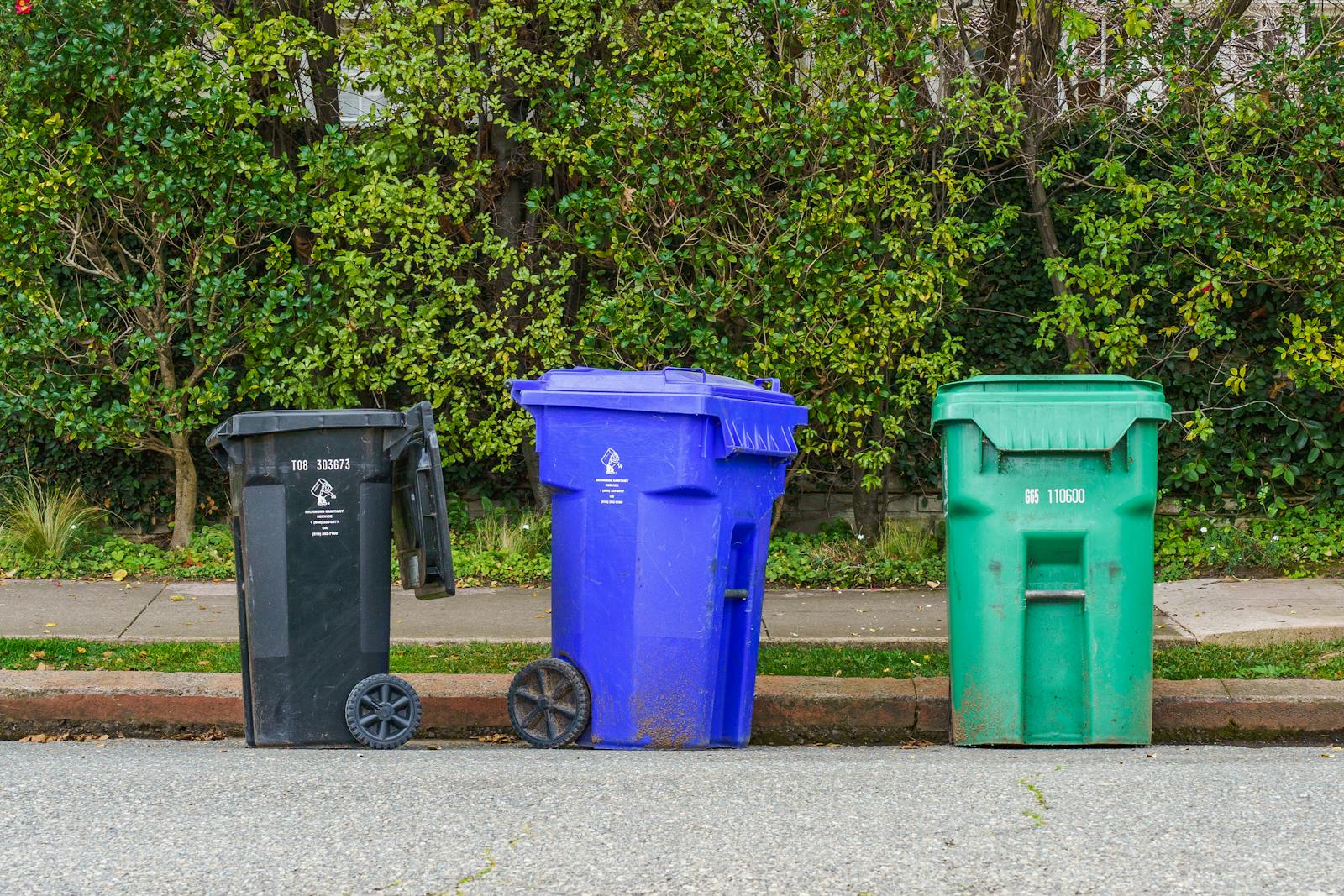
You’ll notice trash day feels different soon: new rules require many households to use secure, lidded bins, separate compostable materials, and set out waste during specific evening hours. Follow these changes now and you’ll avoid fines and keep your building compliant.
They affect single- and two-family homes and small buildings across the city, changing how trash, recycling, and food scraps must be contained and scheduled for pickup. The next sections explain the key changes, when they start, and practical steps to get the right bin and adjust routines so the transition goes smoothly.
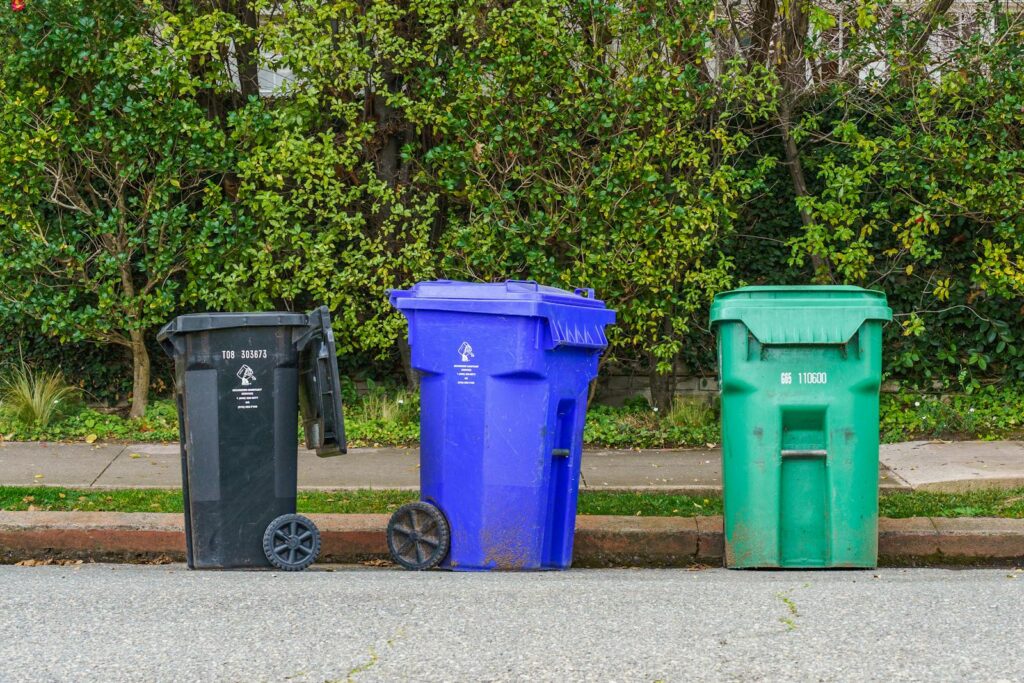
Key Changes in Trash Collection and Disposal
The rules make lidded bins mandatory for most small homes, set clear size limits, and tighten set-out times to reduce street clutter and pest problems.
Who Must Follow the New Rules
Owners of single‑family homes, two‑family houses, and residential buildings with up to nine units must comply with the new containerization requirements. Properties with 10 or more units face different set-out options and enforcement, so building managers should confirm which rules apply to their address with DSNY.
Enforcement includes escalating fines for repeated violations, so owners and tenants should ensure trash is fully contained. Residents will see the biggest operational change if they previously left loose bags at the curb.
See DSNY’s official page for details on which properties fall under the new requirements: Collection Laws for Residents (https://www.nyc.gov/site/dsny/collection/residents/collection-laws-residents.page).
Bin Size, Type, and Usage Requirements
Trash must fit in secure, lidded containers no larger than 55 gallons; commonly used sizes include 35‑gallon and 45‑gallon bins. Single‑ and two‑family homes and buildings up to nine units must use bins (55 gallons or less) with secure lids; bins must be in good condition and close fully to contain waste and pests.
Recycling and composting have their own containment rules: recycling should be in labeled bins or clear bags, and compostables need to be separated into labeled bins or DSNY brown bins once mandated citywide. Residents should avoid cardboard boxes as containers. Property owners should buy enough bins to hold all regular trash and compost to avoid overflow fines.
Set-Out Times and Collection Schedules
Trash set-out windows changed: most residential properties must place bins at curb after 6:00 PM, with all waste set out by midnight unless a different schedule applies. Larger buildings sometimes may set out bags later (for example, after 8:00 PM) depending on their service arrangement.
Missed-day rules still apply: putting waste out on the wrong day or before the allowed time can trigger fines ($50 and up, escalating for repeat offenses). Residents should check their neighborhood collection calendar and confirm any variations with DSNY to avoid penalties and ensure timely pickup.
Adapting to the Official NYC Bin and Moving Forward
Residents must purchase the proper city-approved bins, follow the phased timeline for switching, and keep recycling and composting separated and bagged correctly. The city offers discounted official bins and clear rules on lids, sizes, and penalties for noncompliance.
Buying the Official NYC Bin: Where and How
They can buy the official NYC Bin at www.bins.nyc or by calling 1-855-NYC-BINS for phone orders and delivery scheduling. Home Depot stores in the five boroughs also stock the same official bins at the city price for in-store pickup, but online orders placed through bins.nyc will be delivered to the address on the order.
Key details to check before ordering:
- Size options: 25-, 35-, and 45-gallon trash bins; 13- and 21-gallon compost bins.
- Warranty: official bins include a 10-year warranty.
- Rebates: some homeowners with STAR/Enhanced STAR may receive a check covering the bin cost automatically.
They should write their address on the bin and keep the delivery tracking email. If a bin arrives damaged or is stolen, the city recommends contacting the manufacturer via the bins.nyc portal or filing an NYPD report for theft.
Transition Timeline and Enforcement
The initial rule requiring bins with secure lids for properties with 1–9 units began November 12, 2024; warnings ran through January 2, 2025. Properties must switch to the official NYC Bin by June 2026, with fines enforced for noncompliance after the warning period.
Fine structure for improper setout:
- $50 first offense
- $100 second offense
- $200 third and subsequent offenses
Property owners and building managers remain responsible for purchasing enough official NYC Bins to store their building’s trash. Temporary acceptable alternatives (existing bins under 55 gallons with secure lids) remain allowed until the June 2026 deadline. Stationary on-street containers used by larger buildings follow a different city program and are not a substitute for required residential NYC Bins.
Recycling and Composting Updates
Recyclables should be placed in the appropriate containers and marked with the city recycling decal when required; separate NYC Bins for recycling are available but not always mandatory. Composting is citywide; curbside compost bins (13- and 21-gallon) must be sealed and may use clear plastic, paper, or certified compostable liners as specified.
Practical tips:
- Use clear plastic bags for recyclables where rules require visible contents.
- Keep compost separate and use the smaller compost bin sizes for food scraps.
- Label bins or attach a recycling decal to avoid pickup confusion.
They should confirm local pickup days and any additional rules with DSNY to avoid fines and missed collections.
More from Vinyl and Velvet:

Leave a Reply