

You walk through the house and notice a small stain on the ceiling—easy to ignore, but it could mean something far worse. Acting quickly on winter roof warning signs like trapped ice, sagging rafters, or repeated leaks can stop hidden damage from turning into an expensive structural collapse.
They need clear, simple checks you can do now and a quick plan for when to call a pro. The article will show which hidden problems quietly worsen in cold months and how to prioritize fixes before costs and risks spiral.
Hidden Roof Danger: How Overlooked Issues Lead to Structural Collapse
Hidden roof problems often start small — a few missing or curling shingles, granule loss, or a worn patch of flashing — but they let water quietly enter the attic, insulation, and framing. That trapped moisture accelerates wood rot, weakens rafters, and can produce sagging roof areas long before anyone sees obvious damage.
Why Hidden Roof Damage Puts Your Home at Risk
Water intrusion moves along rafters and into ceiling cavities, so a stain on the ceiling rarely marks the leak’s origin. When they ignore minor shingle damage or flashing failure, homeowners let moisture reach sheathing and load-bearing members. Over time, repeated wetting and drying cycles cause fasteners to rust and wood to delaminate, reducing the roof’s ability to carry snow and live loads.
Mold growth further degrades materials and creates health hazards that may require tearing out drywall and insulation. Small localized failure can spread; a single compromised truss or ridge can change load paths, increasing stress on adjacent members until visible sagging or a partial collapse appears.
Common Types of Hidden Roof Problems
- Damaged shingles: cracked, curled, or missing shingles allow direct water entry and granular loss weakens the weather barrier.
- Flashing failure: corroded or improperly sealed flashing around chimneys, vents, and skylights creates concealed leak points.
- Clogged gutters: backflow under shingles and trapped ice dams concentrate water against eaves and fascia.
- Poor ventilation: trapped heat and moisture warp sheathing and accelerate rot from the attic side.
- Underlayment deterioration: once underlayment fails, water reaches decking faster during storms.
Each issue often shows limited, subtle clues at first. For example, granules in gutters signal asphalt shingle wear; small rust spots at flashing seams signal future gaps. Left unchecked, these problems compound and move from cosmetic to structural.
Warning Signs That Your Roof Has Hidden Damage
- Interior indicators: brown ceiling stains, peeling paint, or a persistent musty odor in the attic suggest ongoing water intrusion.
- Exterior indicators: granules in gutters, uneven rooflines, and visibly missing or curled shingles point to compromised protection.
- Performance indicators: unexpected spikes in heating bills, ice dams in winter, or a hot attic in summer reveal ventilation or insulation failures.
- Structural indicators: any new sagging in the roof deck, creaking sounds, or doors that stick after storms indicate structural movement and require immediate inspection.
If homeowners spot any of these signs after heavy snow, wind events, or freeze-thaw cycles, they should arrange a professional roof inspection. A qualified inspector will check flashing integrity, look for hidden rot under decking, and evaluate whether repair or partial replacement is needed to protect structural integrity.
Relevant reading on hidden roof damage and inspection techniques appears at Riverside Roofing and RoofLab.
Spotting and Addressing Winter Roof Warning Signs
Start by scanning ceilings, attic spaces, and exterior roof lines for visible changes. Prioritize obvious water stains, soft spots, or any new gaps around chimneys and vents.
Checking for Water Stains and Sagging Rooflines
Water stains on ceilings usually appear as brown or yellow rings and often indicate active leaks. They typically show up around light fixtures, along exterior walls, and near interior chimneys; any new stain requires immediate attention.
Inspect the attic with a flashlight during daylight; look for wet insulation, dark streaks on rafters, and daylight showing through roof sheathing. These are clear signs a roof inspection is needed.
Sagging rooflines can signal compromised decking or structural members. Measure or photograph sagging areas to compare over time. If a roofline sags, stop using the space below for heavy storage and contact a professional roofer promptly to assess load-bearing elements.
Detecting Shingle and Flashing Failures
Shingle damage often shows as missing granules, curled edges, or cracked tabs after winter storms. Walk perimeter gutters and look for granules collecting in downspouts—a common indicator of shingle wear. Replace shingles that are broken, blistered, or loose to prevent water intrusion.
Flashing failures occur where the roof meets chimneys, vents, and valleys. Look for gaps, cracked sealant, or rusted flashings and check for dark streaks on adjacent shingles. Small flashing gaps allow water under shingles and into sheathing; sealant patches are short-term fixes, but a professional reflash may be needed for lasting protection.
Mold Growth, Ice Dams, and Other Costly Consequences
Mold growth in attics or ceiling cavities follows prolonged moisture and poor ventilation. It appears as black, green, or white fuzzy patches and often accompanies musty odors. Mold compromises insulation and indoor air quality; remove wet insulation and dry the space before replacing it.
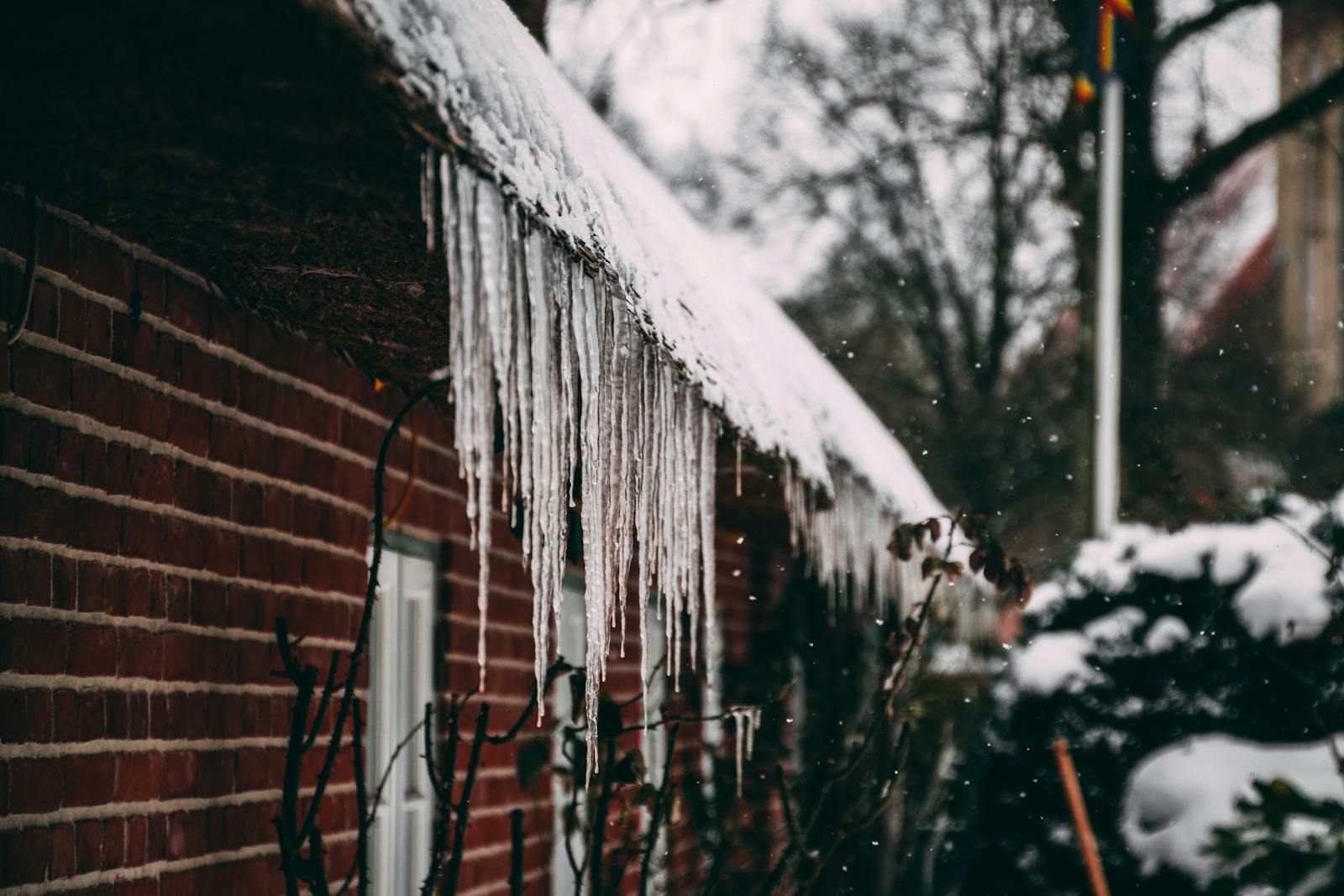
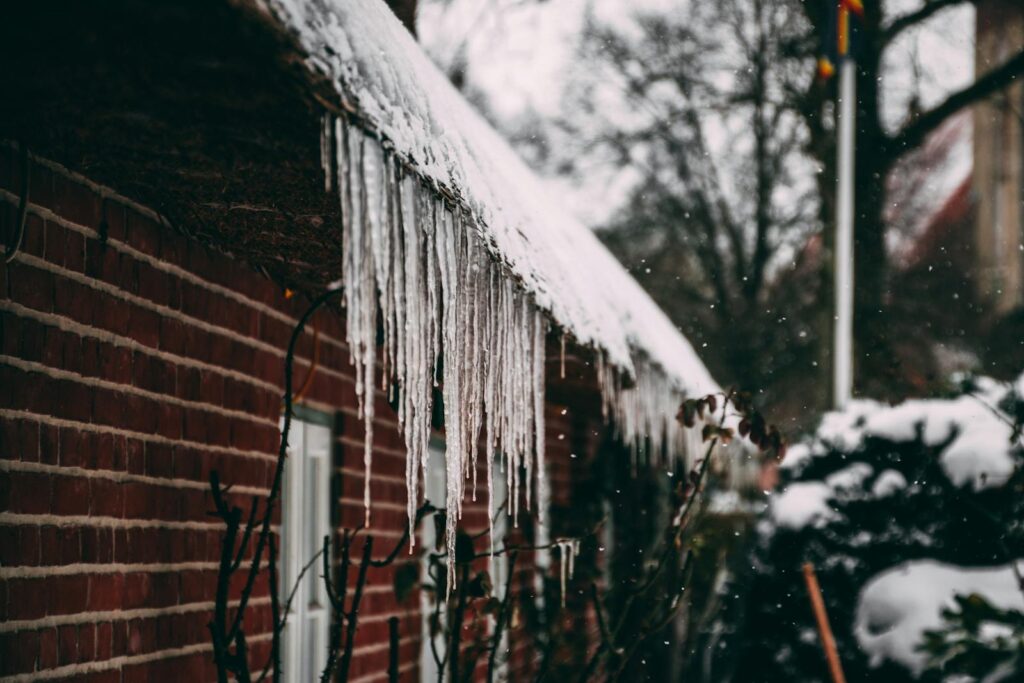
Ice dams form when heat loss melts rooftop snow that refreezes at eaves, forcing water under shingles. Signs include icicle buildup, wet insulation near eaves, and repeated attic frost. Address ice dams by improving attic insulation and ventilation, clearing roof edges safely, and installing proper flashing or heat cable systems if recommended by a roofer.
When to Call a Professional Roofer for an Inspection
Call a professional roofer whenever water stains appear, attic insulation stays damp, or any sagging is present. Schedule formal roof inspections after heavy winter storms, especially if shingle loss, flashing gaps, or repeated leaks occurred. Look for roof inspection services that offer infrared or drone assessments for hidden damage.
Bring photographs and notes about where stains, sagging, or shingle failures occurred. Ask the roofer for a written estimate that separates repairs to decking, flashing, and shingles so homeowners understand costs and structural risks.
More from Vinyl and Velvet:

Leave a Reply