

You’ll find the facts about where Oscar Pistorius lives now, what conditions govern his freedom, and how he’s tried to rebuild a private life after release. He lives in Pretoria under parole conditions after serving years in prison for the murder of Reeva Steenkamp, keeping a low profile and limited public contact.
Expect a clear look at his day-to-day circumstances, restrictions placed on him, and how the public and Steenkamp’s family have reacted. The article also explores his tentative steps toward reintegration, any public appearances, and the ongoing debate over rehabilitation and remorse.
Oscar Pistorius After Prison: Life Today
Pistorius lives quietly in Pretoria, follows strict parole rules, and has limited public activity. He remains under supervision while trying to rebuild a routine that balances privacy, legal obligations, and selective public-facing efforts.
Living Arrangements and Daily Routine
He resides in a private home in Pretoria rather than a public-facing address, keeping visits and outings low-key. His days typically start early with light exercise adapted for his prosthetics, short walks or supervised training sessions, and basic household chores.
Midday usually includes scheduled meetings with his parole officer or legal advisers, plus medical appointments related to his amputations and mental health check-ins. Evenings are spent indoors, often reading or watching news; he avoids crowded public venues and major sporting events. Neighbors and local reports note he wears sunglasses and keeps a low profile when outside.
Strict Parole Conditions and Restrictions
Parole requires regular reporting to the Department of Correctional Services and adherence to a monitored curfew. He must remain within specified geographic limits around Pretoria unless he receives written permission for travel, and electronic monitoring or periodic check-ins are possible depending on parole terms.
Conditions include bans on alcohol-related events, mandatory attendance at counseling — often including anger management and psychological assessments — and restrictions on possessing firearms. Violating parole can trigger recall to custody, so his movements and contacts are deliberately limited and supervised by authorities.
Volunteering, Community Presence, and Low-Profile Lifestyle
He has participated in a small number of supervised community activities and charity work, keeping involvement minimal and vetted by parole officials. Reports indicate selective volunteering focused on adaptive-sport advocacy and low-key coaching, rather than public appearances or competitive events.
Media sightings are rare; when photographed he appears older and keeps away from interviews and tabloids. Local outlets and international coverage have tracked occasional public moments, but he avoids high-profile engagements and maintains distance from social media and press-driven events.
Rebuilding Life and Public Reactions
He has tried to rebuild daily routines, physical fitness, and personal relationships while facing intense public scrutiny and legal consequences.
Return to Sports and Regular Exercise
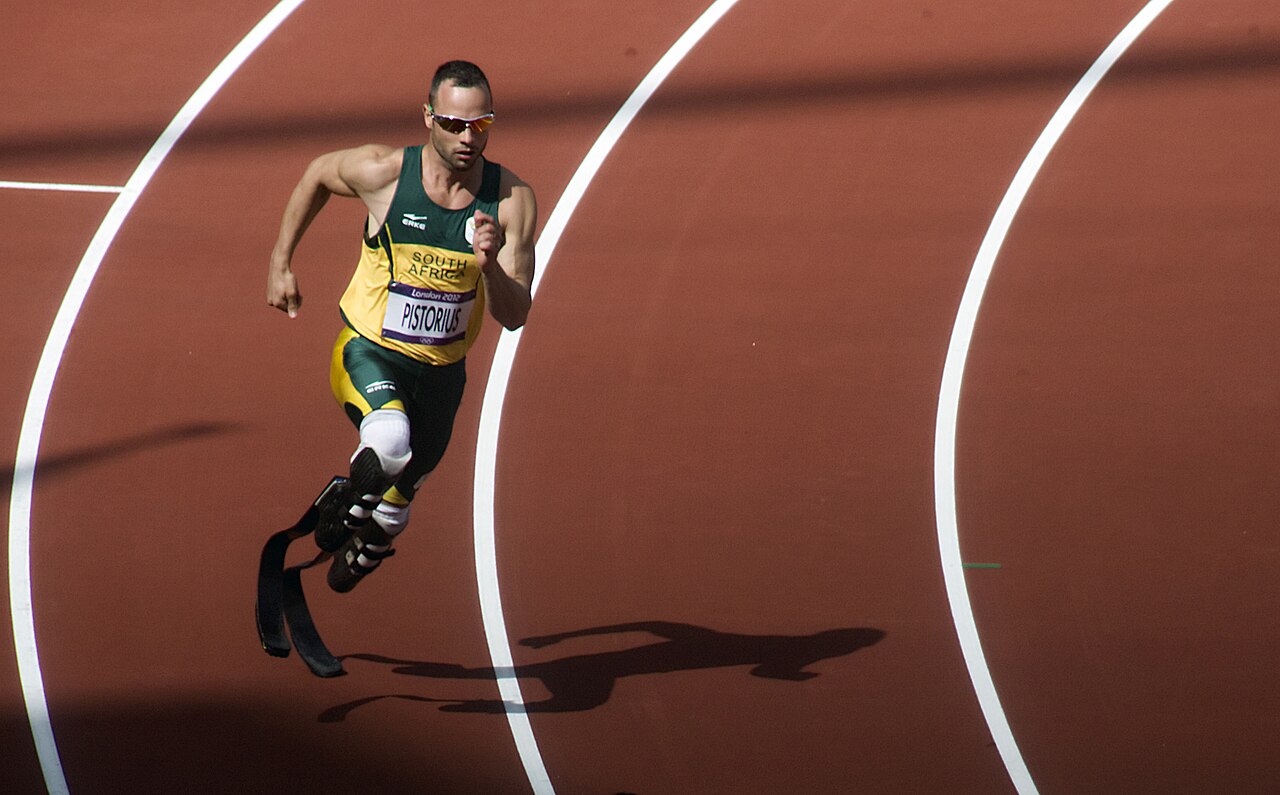
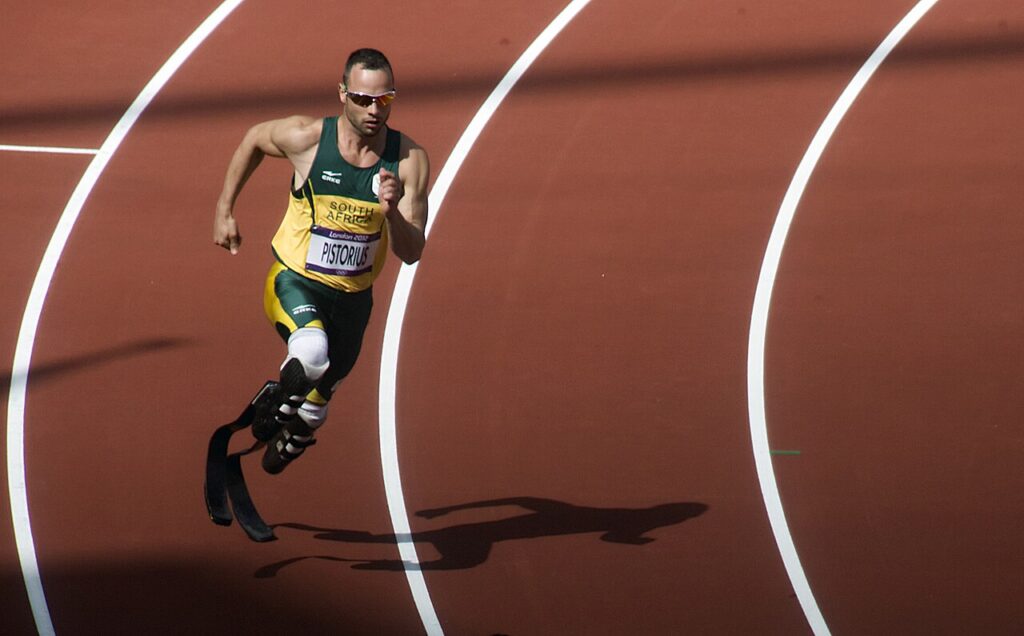
Pistorius returned to exercise focusing on conditioning rather than competition. He resumed running drills and gym work using his prosthetic legs—the carbon-fiber blades that made him known as the “Blade Runner”—but avoided elite meets like the Paralympic Games or the 2011 World Championships.
He trains mainly for health: interval sessions on a treadmill, strength work for hips and core, and sprint technique drills adapted to his double-amputee biomechanics. Prosthetic maintenance and fitting remain critical; he works with technicians to tune blades for comfort and stability.
He has not sought a formal comeback in 100 meters or 400 meters racing. Public sightings show a lower-profile approach to sport, with activity framed around rehabilitation and routine exercise rather than elite competition.
Family Support and Relationships
Family contact has played a central role in his reintegration. Close relatives, including members of his immediate family, have visited and maintained communication, helping with logistics and emotional support after his release.
Relationships outside family remain limited and cautious given the legal history and the 2013 killing of Reeva Steenkamp. He keeps interactions private and avoids public displays that could provoke media attention or distress to those connected to the case.
He relies on a small circle for day-to-day needs, including appointments for prosthetic care and counseling. This network helps manage practical matters like travel within Pretoria and reintegration to community life.
Public Opinion and Reaction to Parole
Public reaction split sharply after parole and release. Some voices emphasize rehabilitation and a right to privacy after serving time; others continue to call attention to the gravity of the court case and the impact on Reeva Steenkamp’s family.
Media coverage often frames him in relation to his past achievements as a Paralympic champion and the 2011 performances, while juxtaposing those with the 2013 shooting and subsequent trials of Oscar Leonard Carl Pistorius.
Debate persists over parole terms, safety, and the appropriateness of his reappearance in public life. High-profile commentaries and family statements, including those from June Steenkamp and others close to Reeva Steenkamp, keep public scrutiny active and ongoing.
More from Vinyl and Velvet:

Leave a Reply