

You get the facts quickly: a Michigan man pleaded guilty to making online threats to assassinate Governor Gretchen Whitmer and was sentenced to 10 months in federal prison. This case shows how online threats can lead to real criminal charges and prison time, even when posted on social platforms or dating sites.
You’ll learn what the threats involved, how prosecutors built the case, and what the sentence means for similar incidents across the state. The piece also examines reactions from law enforcement and the public, plus how this fits into recent trends in threats against public officials.
Details of the Threats and Sentencing
Steven Conway posted explicit assassination threats against Michigan Governor Gretchen Whitmer on an online dating website and made multiple threatening calls to shareholders of DTE Energy. Federal prosecutors charged him with communicating threats in interstate commerce and pursued a criminal prosecution in Detroit.
Steven Conway’s Actions and Conviction
Conway, a 40-year-old man from Center Line in Macomb County, used an online dating profile to post that Governor Whitmer was “marked for assassination,” according to court filings. He also placed calls to a DTE Energy call center and left messages threatening shareholders, which investigators traced across state lines. Those communications formed the basis for federal charges of communicating threats in interstate commerce.
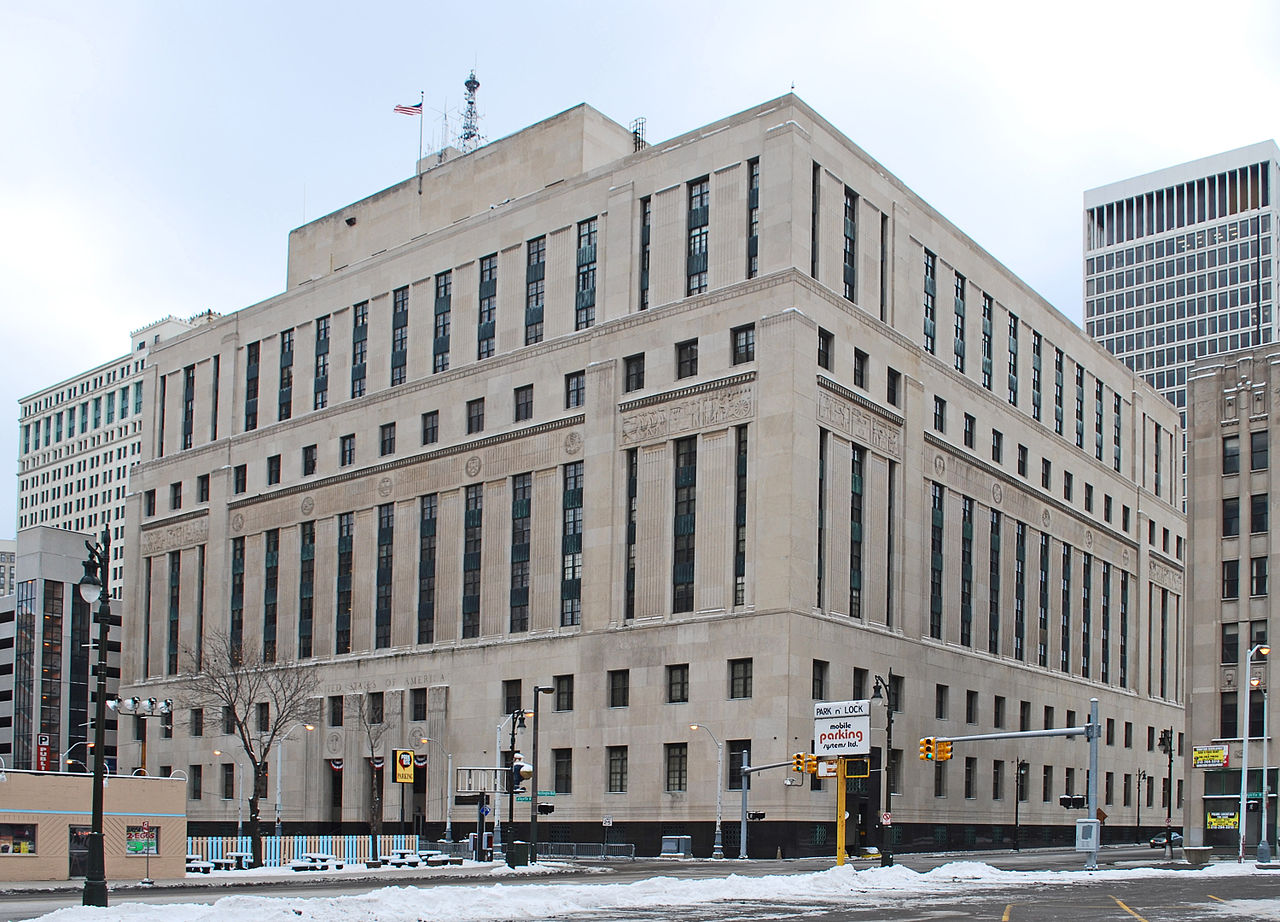
Prosecutors presented evidence of the online posts and recorded calls during trial. A jury convicted Conway of the federal threats charge, and records show the case proceeded in the U.S. District Court in Detroit under Judge Robert J. White’s jurisdiction.
Sentencing Outcome and Legal Process
U.S. Attorney Jerome F. Gorgon Jr. announced Conway’s sentence after the court imposed a 10-month prison term. The sentence addressed both the danger posed by the threats and Conway’s criminal history, including prior threatening conduct. Conway faced federal custody following sentencing; the term reflects federal guidelines and the judge’s consideration of aggravating and mitigating factors.
Defense counsel, including attorney Jennifer Runyan, argued about Conway’s mental health issues during sentencing, asking the court to weigh untreated conditions. The prosecution countered with courtroom evidence and victim impact considerations. The U.S. Marshals and Bureau of Prisons will handle confinement and post-release supervision components set by Judge White.
Background of Previous Threats
Court records and news reports note Conway’s prior convictions for threatening a judge and police officers in Macomb County, indicating a pattern of violent statements. That history entered the sentencing phase as part of the government’s argument on public safety and recidivism risk. Local law enforcement files show prior Macomb County Sheriff’s Office involvement in earlier incidents.
Investigators noted the escalation from local threats to messages directed at a state governor and corporate shareholders, which triggered federal investigative resources. The prior record likely influenced the federal charge selection and the sentencing calculus.
Official Statements and Investigation
The U.S. Attorney’s Office in Detroit publicly described the case at sentencing, with Jerome F. Gorgon Jr. emphasizing threats to public servants and corporate stakeholders. The FBI Detroit Field Office and the Joint Terrorism Task Force assisted in investigating the interstate nature of the communications and identifying Conway as the source of online posts and calls.
Officials from the Macomb County Sheriff’s Office coordinated with federal agents during evidence collection and arrest. Statements from prosecutors highlighted that communicating threats across state lines draws federal jurisdiction and prompted the criminal prosecution in U.S. District Court.
Reactions, Broader Impact, and Recent Trends
Community members, officials, and law enforcement expressed concern about threats tied to political figures and public safety. The response highlights coordination across agencies and growing attention to online threat patterns.
Political Violence and Public Safety Concerns
Local leaders and residents voiced alarm after the threat against the governor, stressing immediate safety for public events and official residences. Elected officials increased visible security at town halls and appearances, and some municipal venues revised screening procedures for attendees.
Advocacy groups called for clearer protocols to protect targeted officials and staff, noting that threats often escalate when amplified online. Media outlets and social platforms faced renewed scrutiny for moderating violent content that mentions public figures.
Investigation Efforts by Law Enforcement
The FBI Detroit Field Office led the federal inquiry, working with the Joint Terrorism Task Force to assess credibility and possible extremist links. Investigators executed search warrants, reviewed social-media accounts, and coordinated evidence-sharing with local agencies.
Macomb County Sheriff’s Office provided local support for threat assessment and community warnings. Prosecutors cited interagency communication as central to moving from investigation to charges, especially when digital footprints established intent.
Recent Cases and Broader Context
Federal prosecutions for online threats have increased in the past two years, with several Michigan cases resulting in prison sentences for credible threats against public officials. Courts have repeatedly found that true threats are not protected speech when they target individuals or officials.
High-profile local cases involving threats to national figures also influenced public debate and prosecutorial priorities. Reporting on these cases often referenced actions by the FBI Detroit Field Office and task-force partnerships to illustrate how investigations proceed from tip to arrest.
More from Vinyl and Velvet:

Leave a Reply