

How a Pet Parrot Revealed the Key to a Murder Case
Investigators found physical evidence, witness statements, and an unexpected vocal clue from the couple’s African grey parrot that shifted the inquiry from possible murder-suicide to homicide. The bird’s repeated phrases, together with forensic details and family accounts, focused police attention on Glenna Duram and clarified the timeline around Martin Duram’s death.
The Crime Scene and Initial Police Investigation
Police arrived at the Duram residence after neighbors reported no contact for days. Martin Duram was found shot multiple times; Glenna Duram was alive but had a gunshot wound to her head and required hospital care. Officers documented shell casings, signs of a struggle, and the positioning of the bodies to reconstruct the event.
Detectives initially considered both homicide and murder-suicide scenarios. Forensic teams collected ballistics and DNA evidence, and investigators interviewed neighbors and family members about recent behavior, financial stress, and relationship strains. Those conventional leads did not fully explain the scene until additional vocal evidence emerged.
Bud the African Grey’s Chilling Words
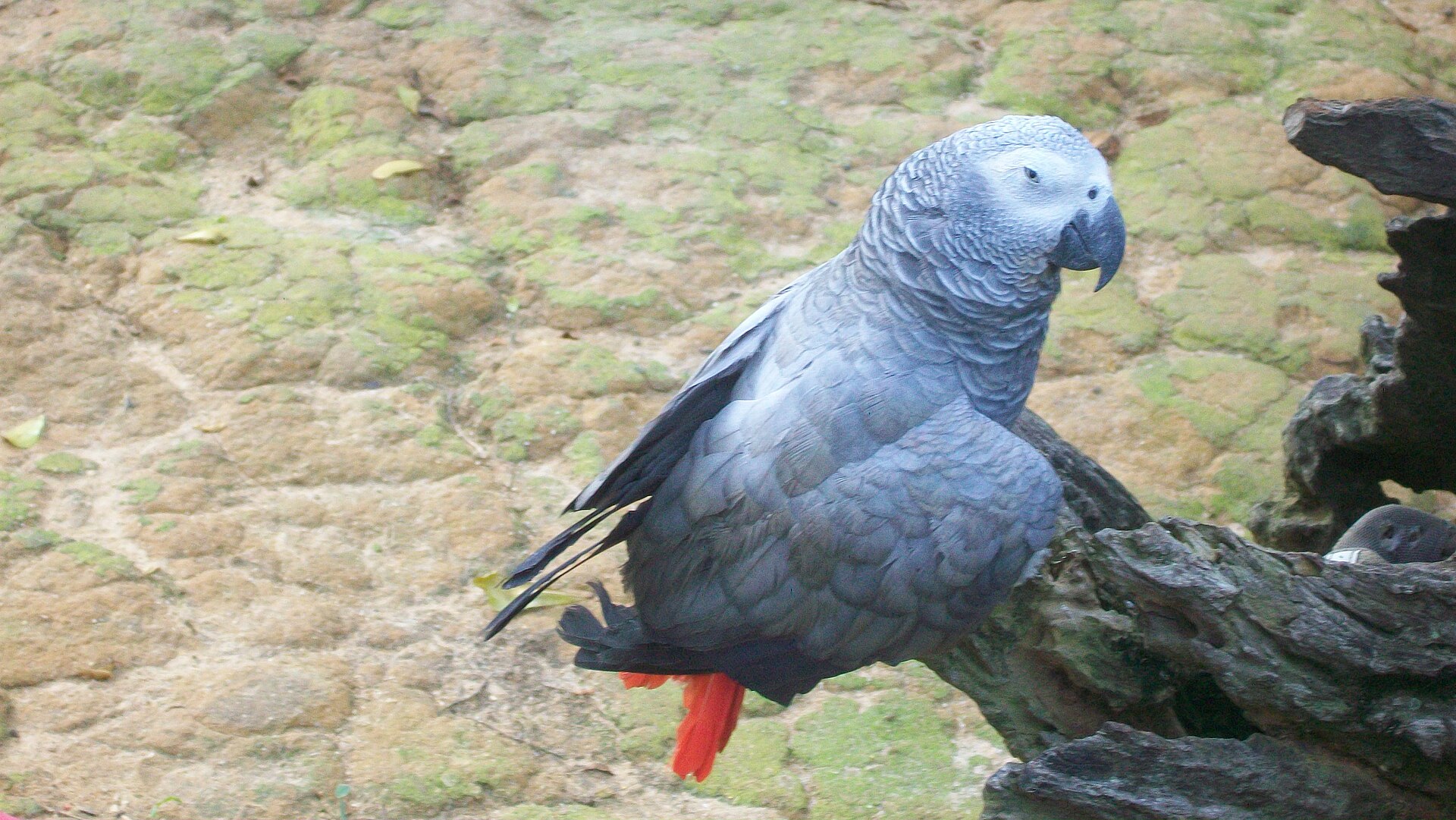
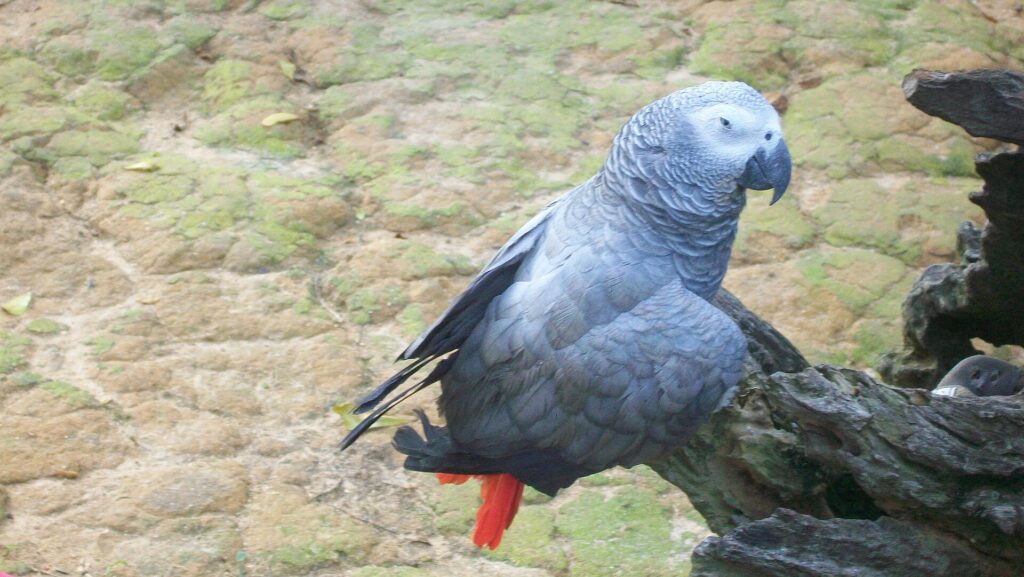
The couple’s African grey parrot, known as Bud, began mimicking phrases heard in the home. While officers worked, Bud repeatedly uttered a phrase resembling “don’t shoot,” which witnesses connected to Martin’s possible final moments. The parrot’s vocalizations did not stand alone as proof but provided context that contradicted a clean murder-suicide narrative.
Investigators treated Bud’s mimicry as corroborative, using it alongside forensic findings and statements from family. Bud’s repetition helped establish that an altercation and verbal exchange occurred before the shots, prompting detectives to revisit timelines and Glenna Duram’s role in the events. The bird’s words guided questions rather than served as direct legal testimony.
Family Reactions to the Parrot’s Testimony
Family members reacted with shock and, in some cases, acceptance when Bud’s mimicked phrases surfaced. Some relatives reported that Bud often imitated phrases heard during arguments, which made his words persuasive to investigators. Others expressed discomfort at a pet being a central piece of evidence in Martin and Glenna Duram’s case.
Relatives also provided investigators with background on the couple’s financial and personal tensions, including foreclosure pressures and mental health history, that framed the parrot’s utterances within a broader context. Those family accounts, combined with Bud’s mimicry, shaped prosecutorial strategy and public interest in the case.
Relevant reporting on Bud’s role appears in coverage such as the BBC’s account of the parrot witness case.
Unraveling the Evidence: Investigation, Motive, and Aftermath
Investigators tied physical evidence, written statements, digital clues, and witness accounts into a timeline that shifted the case from possible murder-suicide to homicide. Financial strain, a damaged relationship, and a bird’s mimicry became focal points for prosecutors.
Discovery of Suicide Notes and Financial Struggles
Police found letters in the home that prosecutors described as expressions of remorse and potential admissions of responsibility. Those documents referenced mounting debts and threatened foreclosure, which investigators treated as a possible motive linked to marital conflict.
Neighbors and family members testified about ongoing financial pressure the couple faced. Records showed missed payments and collection notices. Investigators also examined social media activity, including public posts and private messages on platforms such as Facebook, to corroborate disputes and stressors leading up to the shooting.
Medical records and forensic interviews established that the wife survived a gunshot wound to the head consistent with a failed suicide attempt. Prosecutors argued the notes, economic evidence, and the attempted self-inflicted injury fit a narrative of intentional homicide followed by an attempt to conceal culpability.
Legal Challenges: Animal Testimony in Court
Bud the parrot’s vocalizations raised complex evidentiary questions about admissibility and probative value. Courts do not admit animals as witnesses, so prosecutors used Bud’s repeated phrases as corroborative circumstantial evidence rather than direct testimony.
Defense attorneys challenged the interpretation of the bird’s phrases, arguing parrots mimic contextless speech and can repeat lines learned earlier. Prosecutors countered with crime-scene timing and consistent eyewitness accounts that placed Bud’s utterances immediately after the shooting. Expert testimony about African grey mimicry and behavioral conditioning informed judge and jury considerations.
Ultimately, the court admitted contextual references to the parrot under rules allowing relevant circumstantial evidence. The trial record emphasized that Bud’s speech alone did not convict; jurors weighed it alongside forensic findings, the written letters, and the defendant’s medical and behavioral history.
Christina Keller’s Role and Bud’s New Home
After the case progressed, Bud left the Duram household and entered the care of Christina Keller, identified in reporting as the victim’s ex-wife who accepted custody of the bird. Keller provided statements to investigators and later public interviews describing Bud’s phrases and daily behavior.
Keller preserved audio recordings and permitted experts to analyze Bud’s speech patterns, which helped investigators place certain utterances in temporal context. She also managed Bud’s welfare, arranging veterinary care and rehoming logistics while legal proceedings continued.
Keller shared some video clips online, including uploads to platforms such as YouTube, to document Bud’s vocabulary for interested parties and researchers. Those public materials supplemented official records but were treated cautiously by the prosecution because online clips lack chain-of-custody verification.
More from Vinyl and Velvet:

Leave a Reply