

You’ll quickly see why the age difference between Karoline Leavitt and Nicholas Riccio keeps resurfacing in public conversation: critics sharpen their focus whenever Leavitt appears in the spotlight, and that scrutiny often centers on the 32-year gap rather than her work or statements. Expect a clear look at how the age gap fuels online jokes, media narratives, and shifts in how she presents her personal life.
The piece will trace how public attention has moved from casual commentary to a recurring theme that shapes perceptions of Leavitt’s professional role and family choices. It will also examine how Leavitt and Riccio respond privately and on social platforms when criticism turns personal.
You’ll get a concise tour of the media patterns, examples of social reactions, and context on why this particular story keeps returning—so you can decide how much weight to give the commentary versus the couple’s own explanations.
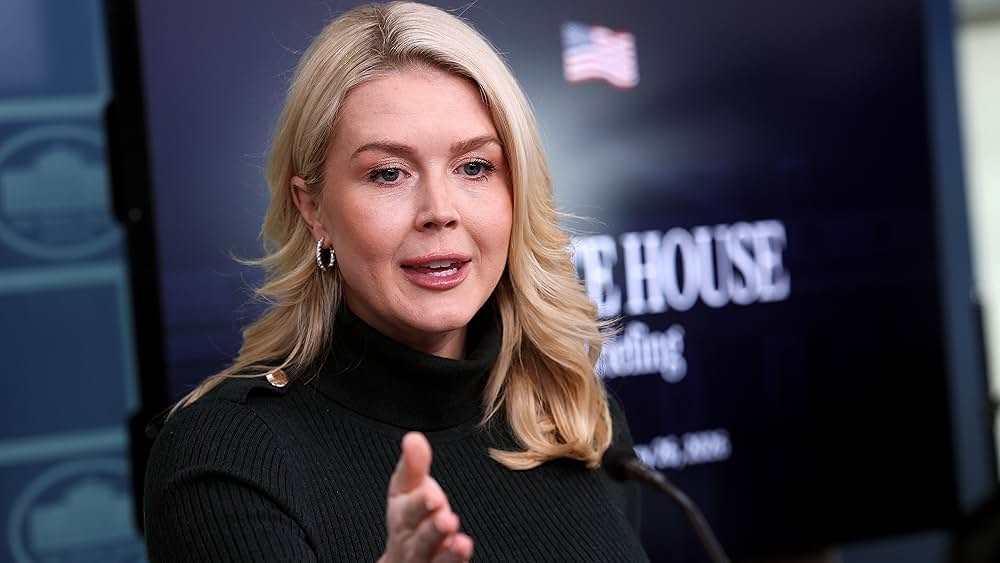
The Public Spotlight on Karoline Leavitt and Nicholas Riccio’s Age Gap
Public reaction has centered on the 32-year difference, repeated jokes on social platforms, and questions about how those reactions affect Leavitt’s role and public image. Critics and supporters alike have focused on specific moments and comments that keep the couple in the news.
Renewed Social Media Scrutiny and Jokes
Social media users renewed attention after recent appearances in which commenters zeroed in on the couple’s age difference. Threads on X and Instagram posts circulated clips and images, prompting memes and sarcastic remarks that amplified the story.
Commenters frequently referenced Karoline Leavitt’s position as White House press secretary while making jokes about Nicholas Riccio’s age. The tone ranged from derisive humor to earnest criticism, with some posts questioning motivations and others defending personal choice.
Some replies attempted to fact-check timelines and family details—like the couple’s shared son—while influencers and political accounts reposted the content to reach broader audiences. That reposting turned private snapshots into recurring talking points across platforms.
Comparisons and Commentary on Their 32-Year Age Gap
Public commentary repeatedly framed the relationship through the numerical gap—32 years—rather than daily life or policy positions. Multiple outlets summarized interviews where Leavitt acknowledged the gap as “challenging,” which critics used to shape narratives.
Comparisons surfaced linking this relationship to broader cultural debates about age in public figures’ private lives. Columnists and social commentators debated double standards: whether a younger woman with an older partner receives different scrutiny than other pairings.
Nicholas Riccio’s profile—his real estate background and family history—entered the conversation, with some commentators contextualizing the couple beyond the headline number. Still, the 32-year figure remained the dominant shorthand in headlines and social feeds.
Impact on Karoline Leavitt’s Career and Public Persona
The age-gap conversation has affected perceptions of Leavitt’s professional image in measurable ways. Opponents in political media leveraged the story to question judgment and personal transparency, while supporters argued the focus distracts from her duties as White House press secretary.
Press events and interviews drew more attention to personal questions than policy details at times, shifting some coverage away from official communications. That shift forced Leavitt’s team to manage both message discipline and personal scrutiny concurrently.
Public reaction also influenced how Leavitt frames her personal life publicly. She has addressed the age difference in interviews, which appears intended to reduce speculation while maintaining a boundary between family and work. For many observers, the episode underscores how private relationships can quickly become public liabilities for high-profile officials.
Personal Life, Relationship Dynamics, and Media Response
Karoline Leavitt and Nicholas Riccio navigate a high-profile marriage that combines public scrutiny, private preferences, and visible lifestyle choices. Their relationship draws attention for the age gap, household roles, public appearances, and how social platforms shape perception.
The Couple’s Unconventional Love Story
Karoline Leavitt married Nicholas Riccio in January 2025; the pair have a reported 32-year age difference that critics frequently note. Leavitt, who became White House press secretary in her late 20s, describes the marriage as supportive of her career ambitions, while Riccio is presented in profiles as an established businessman with prior successes and existing resources.
They met and formed a partnership that characters—friends and journalists—describe as rooted in mutual interests rather than conventional peer timing. Public interviews, including Leavitt’s appearance on the Megyn Kelly Show, emphasize shared priorities: travel, social events, and Riccio’s role in enabling Leavitt’s public-facing career. Observers highlight contrasts in life stage and experience, which the couple frames as complementary rather than problematic.
Family Reactions and Parental Concerns
Leavitt has publicly recounted introducing Riccio to her parents; those moments drew media attention and commentary about generational differences. Reporting shows family reactions ranged from curiosity to discomfort, a common pattern when relationships deviate from social expectations. Leavitt has said she encountered questions during family introductions but emphasized mutual respect in those meetings.
Media coverage amplified parental concerns, with outlets quoting unnamed relatives and discussing how parents weighed age, intentions, and long-term plans. That scrutiny placed pressure on private conversations, forcing the couple to manage both their relationship and external interpretations. Coverage often centers on whether family acceptance changed over time as the relationship progressed.
Privacy Challenges and Social Media Presence
Both partners balance a desire for privacy with public roles that encourage exposure. Leavitt maintains an official professional presence while critics and fans scrutinize personal posts. Instagram photos, birthday snaps from Leavitt’s 28th birthday, and public appearances generate commentary about body language and lifestyle; one outlets’ captioning of Riccio’s demeanor illustrates that small gestures become news.
Leavitt leans toward guarded disclosures in interviews, describing personal matters selectively. Riccio keeps a lower profile, which fuels speculation about motives and background. Social platforms magnify ordinary moments and invite viral takes; the couple’s choices about what to share shape narratives that reporters and social media users repeat.
Financial Stability and Their Lavish Life
Profiles of Riccio present him as financially established, and reporting links the couple to a comfortable lifestyle that includes high-end residences and frequent travel. Leavitt has credited her spouse with enabling flexibility for career demands; that dynamic appears in coverage noting home purchases and hospitality tied to their public social calendar.
Critics use visible wealth as part of their commentary, framing spending and material displays as evidence of imbalance or transactional dynamics. Defenders point to Riccio’s long-standing business activities and Leavitt’s career trajectory as independent factors. Financial disclosures tied to public service roles remain limited, so assessments in the press rely on reporting about property transactions and photographed outings rather than formal accounting.
More from Vinyl and Velvet:

Leave a Reply