

You watch a White House moment snap shut when Melania Trump refuses to answer a question about Ghislaine Maxwell, and the silence raises as many questions as the exchange did. She declined to respond during a brief press interaction, a move that immediately sparked fresh speculation about the connection between the First Lady, media access, and high‑profile legal controversies.
This piece breaks down what happened during that press availability, how the exchange unfolded, and why a single unanswered question can ripple into wider political and media debates. The next sections examine her exact response, the context around Maxwell’s case, and what the incident suggests about access, accountability, and public perception.
Follow the timeline, the reactions, and the broader implications to understand why this brief interaction matters beyond the soundbite and how it fits into ongoing conversations about influence and transparency. For video and coverage of the moment, see how major outlets reported the exchange at MSN.
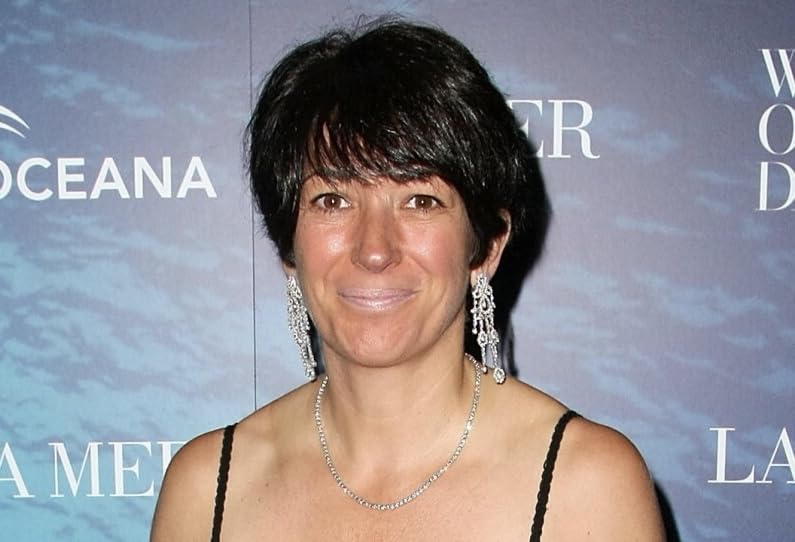
Melania Trump’s Response to Ghislaine Maxwell Question
Melania Trump redirected attention away from a question about Ghislaine Maxwell and kept the focus on honoring freed hostages. Her response, the moment that prompted it, and reactions from reporters and the public define the episode.
Context of the White House Meeting
The exchange occurred during a White House event where Melania Trump met with freed American-Israeli hostage Keith Siegel and his wife, Aviva, in the Oval Office setting. The gathering aimed to recognize the couple’s release and to highlight humanitarian and diplomatic efforts surrounding hostages.
Staff arranged a brief photo opportunity and remarks, with reporters present for a short Q&A. The setting emphasized protocol and sensitivity toward the Siegels; aides monitored the interaction closely and intervened when questions veered off the scheduled topic.
The meeting’s purpose framed expectations: messages would center on the family and the rescue, not broader legal controversies. That context shaped both Melania’s readiness to answer and the swift aid from staff when the exchange shifted tone.
Details of the Reporter’s Question
A CNN reporter, Kaitlan Collins, asked whether Melania believed Ghislaine Maxwell should be held in a high-security facility, referencing Maxwell’s conviction and recent reporting on her prison conditions. The question directly invoked Jeffrey Epstein’s network and placed Melania in a moment linking her name to Epstein-related discussions.
Reporters had limited time and aimed to press public figures on timely issues; this question came amid new documents and public debate about Maxwell’s treatment. Collins’ line of questioning referenced broader concerns from Epstein survivors and media coverage, raising expectations for a clear stance from the First Lady.
The inquiry connected three distinct elements: Maxwell’s sentencing and detention, public scrutiny from survivors and press, and Melania’s prior public associations through past mentions in released files. That connection made the question both newsworthy and potentially sensitive.
Melania Trump’s Deflection and Public Reaction
Melania briefly declined to answer the Maxwell question, stating the moment should honor the freed hostages and asking to stay on topic. She redirected attention back to Keith Siegel and the event’s purpose, while an aide quickly moved to close the exchange.
Public reaction split: some commentators praised the focus on the Siegels and called the question inappropriate for the occasion, while others criticized the refusal as evasive given the public interest in Maxwell and Epstein-related revelations. Media outlets and social posts highlighted the interaction, with several running clips that circulated widely.
The episode sparked renewed speculation about any links suggested in newly released documents, but Melania’s refusal did not add factual confirmation. It did, however, intensify scrutiny and questions from journalists who view direct responses as necessary for transparency.
- Related reporting: coverage of the interaction appears in outlets that captured the exchange on video and described the interruption by aides.
Broader Implications and Connections
The exchange at the event highlights ongoing questions about a high‑profile prisoner’s treatment, the media revelations tied to Jeffrey Epstein, and the network of prominent figures connected to that network.
Ghislaine Maxwell’s Prison Status and Calls for More Security
Ghislaine Maxwell remains a convicted sex offender serving a sentence at a high‑security facility after her 2021 conviction for sex‑trafficking-related charges tied to Jeffrey Epstein. Advocates and some lawmakers have repeatedly raised concerns about her safety and the adequacy of federal prison protections for inmates with high public profiles.
Those concerns intensified after reports about Maxwell’s requests for clemency and statements suggesting she expected presidential intervention, which renewed scrutiny of whether the Bureau of Prisons has sufficient protocols for monitoring threats, harassment, or special treatment.
Officials have pointed to standard procedures—restricted communications, controlled visitation, and classification reviews—but critics argue transparency gaps persist, especially when a prisoner is linked to powerful associates and media attention.
Epstein Files and Media Coverage
The Justice Department’s document releases known as the Epstein files have produced emails and notes that journalists used to map social connections and timelines involving Jeffrey Epstein, Ghislaine Maxwell, and others. Several outlets published alleged email exchanges between Maxwell and public figures, prompting new reporting on past social ties and influence.
Media coverage has focused on both factual disclosures and the implications those records carry for accountability. The files’ release has also driven debate about redaction practices, privacy for third parties mentioned in the documents, and how reporters should weigh unverified or incomplete material before drawing conclusions.
This reporting cycle fed the public’s renewed interest and political questions, particularly when such revelations intersect with current administrations or potential acts of clemency.
Key Figures Linked to the Case
The Epstein‑Maxwell network includes numerous prominent names—individuals photographed or documented in correspondence—raising questions about who knew what and when. Public records and reporting have connected Jeffrey Epstein and Ghislaine Maxwell socially to business leaders and celebrities; some items in the files reference interactions with people who later rose to broader prominence.
Political figures also appear in the background of reporting; Maxwell’s appeal for clemency brought mentions of presidential authority and media scrutiny of any conversations involving President Donald Trump. Other public figures, such as financiers or executives reported in news accounts, have faced renewed attention as journalists revisit past associations.
Observers stress that presence in photographs or emails does not equal criminal culpability, but those links remain central to ongoing investigations, public inquiries, and reputational consequences for the named individuals. For more on the email disclosures, see reporting on the Epstein file release and alleged exchanges.
More from Vinyl and Velvet:

Leave a Reply