

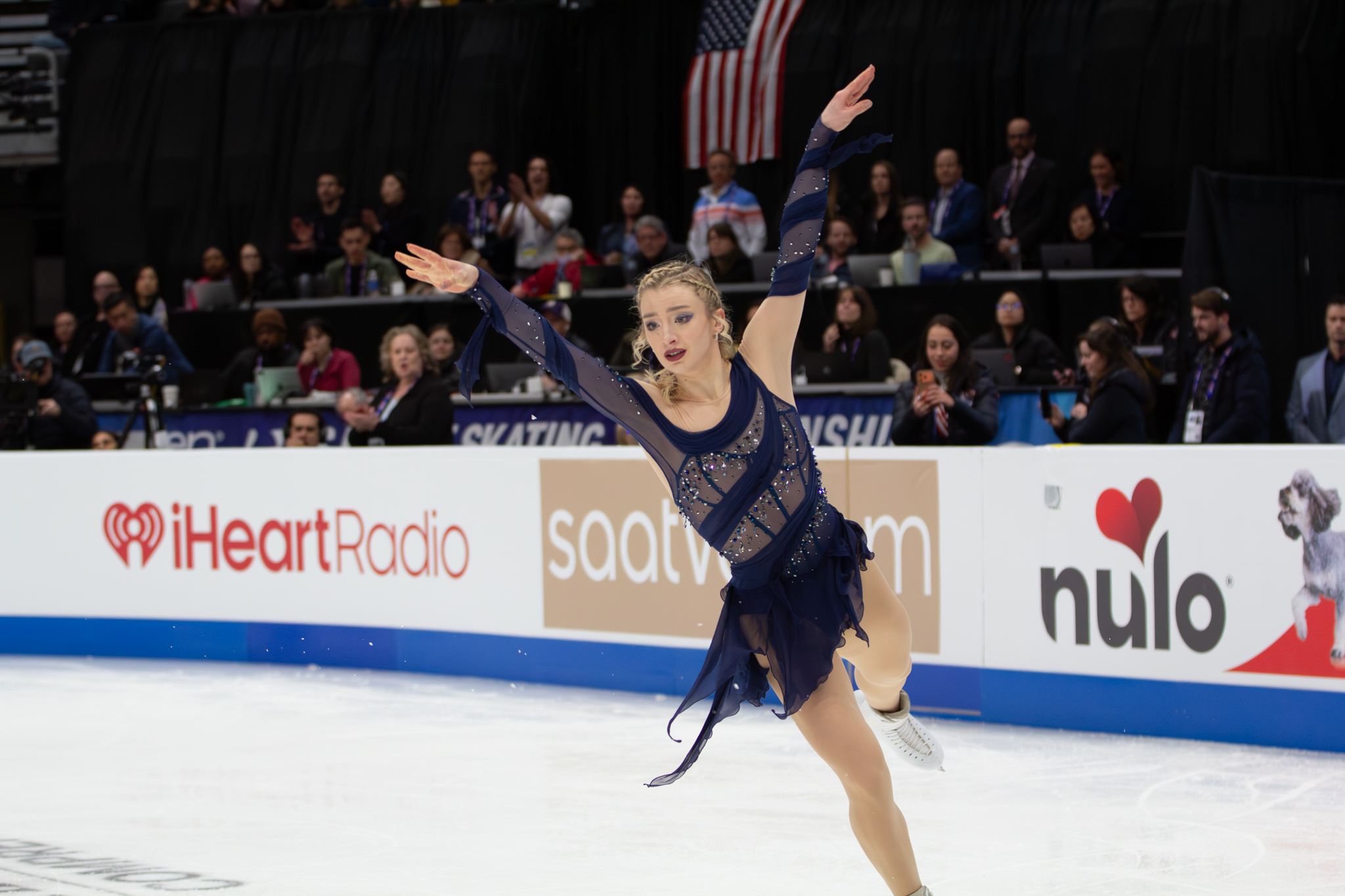
You will quickly learn what happened when Olympic figure skater Amber Glenn limited her social media after receiving what she described as a “scary amount of hate/threats” tied to political comments. She stepped away for safety and mental-health reasons while saying she will continue using her voice off-platform.
This post will unpack how her decision affected her presence at the Games, the reactions across political and sports communities, and what it reveals about athlete advocacy and free speech in high-profile events. Expect clear, factual reporting and context that helps you understand the stakes for athletes who speak on politics.
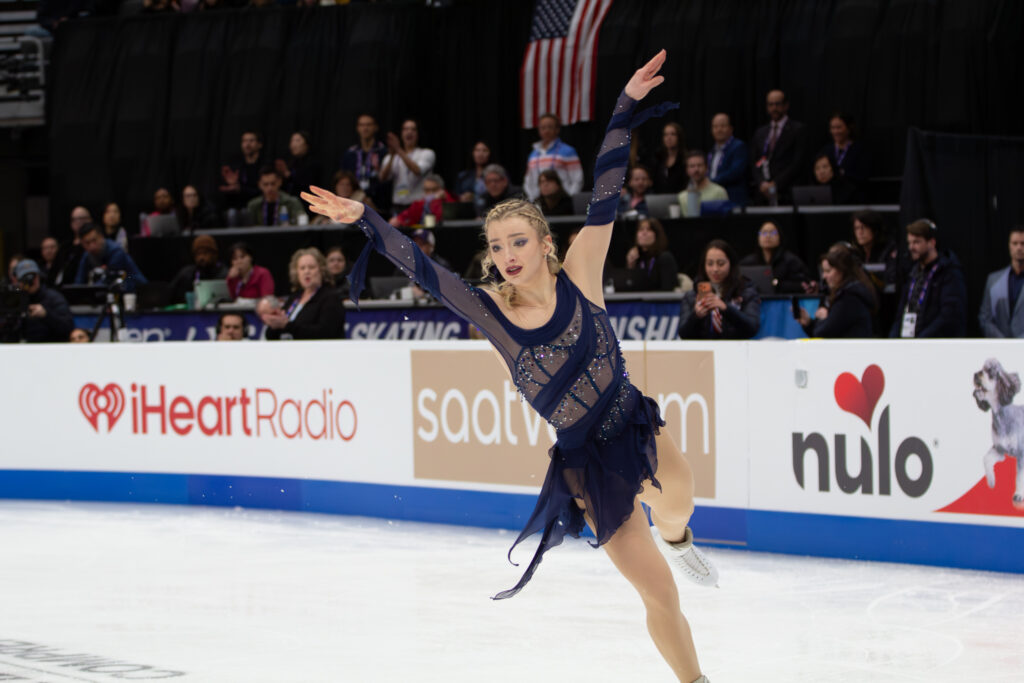
Amber Glenn’s Decision to Leave Social Media and Its Impact
Amber Glenn announced she would step away from social media after receiving threats and sustained harassment tied to remarks she made about politics and LGBTQ+ rights. The move affected her public communications, training visibility, and the broader conversation about athlete safety and free expression.
Background on Amber Glenn and Figure Skating Career
Amber Glenn is a U.S. figure skater from Plano, Texas, who has competed for Team USA at major international events. She earned a place on the U.S. Olympic team and contributed to the Team USA gold medal performance in the team event at the 2026 Winter Olympics in Milan–Cortina.
Glenn has national titles and podium finishes on the U.S. figure skating circuit, and she came out publicly as bisexual and pansexual in 2019. Her competitive résumé mixes singles competition achievements with appearances at ISU championships and U.S. Figure Skating Nationals.
Her visibility increased during the 2026 Games, where performance and public statements both drew attention. That combination of athletic success and personal identity positioned her as a high-profile American Olympic figure skater.
Social Media Backlash After Political Comments
After reporters asked about the political climate for queer Americans, Glenn spoke about encouraging LGBTQ+ people to stay strong. Her remarks quickly provoked hostile responses online, which she described as a “scary amount” of hate and threats.
Attackers tied their reactions to pro-MAGA rhetoric, prompting national coverage of the backlash and questions about politicization of athletes. Media outlets documented the volume and tone of the responses, noting how rapidly social platforms amplified threats and harassment directed at the Team USA figure skater.
Faced with direct threats to her safety and sustained abuse, she moved to limit or pause her social media use to reduce exposure and avoid fueling further escalation.
Concerns for Safety and Mental Health
Glenn cited safety and mental-health reasons for stepping back from social media, stressing the difference between engaging with fans and enduring targeted threats. She reported receiving threatening messages that created an unsafe environment for her outside of competition.
Athletes under similar pressure often face increased anxiety, disrupted training focus, and the need for enhanced security measures. For a U.S. figure skater preparing or recovering from Olympic competition, those stressors can affect both performance and well-being.
Her decision reflects a trade-off: protecting personal safety and mental health at the cost of direct public outreach and platform-based advocacy.
Support and Reactions from the Sports Community
Teammates, coaches, and sports organizations publicly acknowledged the situation and expressed concern for Glenn’s welfare. Coverage noted solidarity from some members of the figure skating community who emphasized athlete safety and the right to free expression.
National outlets and figure skating bodies discussed protocols for protecting athletes from harassment, with some commentators urging social platforms and authorities to respond to credible threats. Fans and advocacy groups also rallied in support, amplifying messages that condemned targeted abuse toward the Olympic figure skater.
The response underscored how incidents affecting one U.S. figure skater can prompt broader conversations about security, platform responsibility, and the intersection of politics and Olympic figure skating.
Relevant reporting on the backlash and Glenn’s decision appears in coverage by Reuters and the Associated Press, among other outlets.
Athlete Advocacy, Free Speech, and Broader Reactions
The incident forced immediate questions about how athletes use public platforms, how teammates respond, and how political rhetoric can escalate into threats that target identity and safety. Stakeholders debated legal protections, team policies, and the balance between personal expression and security risks.
Freedom of Speech and Athlete Platforms
Freedom of speech protects an athlete’s right to express political views, yet institutional rules and safety concerns shape how those views play out publicly.
Athletes representing Team USA operate under organizational guidelines that sometimes limit visible political demonstrations during events. The Olympic Charter’s neutrality principles and internal team policies create friction when athletes speak on partisan matters like endorsements of political figures such as JD Vance.
Legal protections vary by country and forum. In the U.S., public‐figure athletes have robust First Amendment rights, but private employers, sponsors, and sport bodies can enforce conduct rules. When Hunter Hess and other athletes post about politics, teams must weigh reputation, contractual clauses, and athlete safety.
Social media amplifies messages quickly. That amplification can produce solidarity and backlash in equal measure, which in this case included MAGA-linked threats that prompted the athlete to withdraw from platforms for safety reasons.
LGBTQ+ Rights, Human Rights, and Community Solidarity
Attacks tied to political messaging often intersect with threats against identity groups, making LGBTQ+ rights central to the discussion.
The athlete who left social media had been an outspoken advocate for LGBTQ+ inclusion, and threats referenced both political allegiance and anti-LGBTQ+ sentiment. Community organizations framed the threats as breaches of basic human rights and called for protective measures.
Solidarity actions emerged from LGBTQ+ groups and allied advocacy networks, offering security guidance and amplification strategies. Teammates and sports advocates pointed to the need for explicit protections that address threats and harassment targeting sexual orientation and gender identity.
Human-rights frameworks applied by advocacy groups argue that sporting bodies should treat targeted threats as violations requiring investigation, support, and policy changes to prevent marginalized athletes from being driven offline by intimidation.
Responses from Other Team USA Athletes
Team USA members issued varied reactions, ranging from public statements of support to measured calls for internal review.
Some teammates named in reports, including Chris Lillis and Svea Irving, posted solidarity messages and offered to help with security resources. Others emphasized procedural steps—requesting that USA governing bodies and the U.S. Olympic and Paralympic Committee document the threats and coordinate with law enforcement.
A few athletes stressed the boundary between political disagreement and illegal harassment, urging the federation to distinguish protected speech from criminal threats. Team leadership announced investigations and temporary safety protocols for the athlete who left social media.
These responses highlighted a split between immediate emotional support and institutional processes, underscoring tensions within teams when politics and personal safety intersect.
Political Climate, Protests, and Public Discourse
The broader political environment influenced both the nature of the threats and public reaction to them.
National polarization around figures tied to MAGA rhetoric intensified online attacks against visible advocates. Public debate included criticism of partisan influencers who frame athlete activism as inappropriate, while civil-rights advocates framed the harassment as part of a pattern linking political messaging to threats against marginalized people.
Protests and counter-protests surfaced near training sites and events, with some demonstrators targeting athletes’ political stances. Media coverage focused on whether sporting institutions would update policies to protect athletes from coordinated harassment campaigns.
Policy proposals ranged from clearer social-media safety protocols to sanctions against organized abuse. Observers urged sports bodies to balance commitments to free expression with actionable steps to address hate, threats, and the chilling effect on athlete advocacy.
More from Vinyl and Velvet:

Leave a Reply