

You see a single family-post ripple into a storm of accusations and heated debate online. Ivanka Trump’s tribute to family members drew immediate praise from some and sharp criticism from others, sparking a mix of personal attacks, political pushback, and questions about intent. This piece explains why the post ignited such a strong reaction and what that reaction reveals about public expectations for political figures’ private expressions.
Expect a close look at the post itself, the most vocal public responses, and how those reactions escalated into broader debate about accountability and image. The next sections unpack the timeline, notable responses, and the deeper issues the controversy exposes about public life and personal messaging.
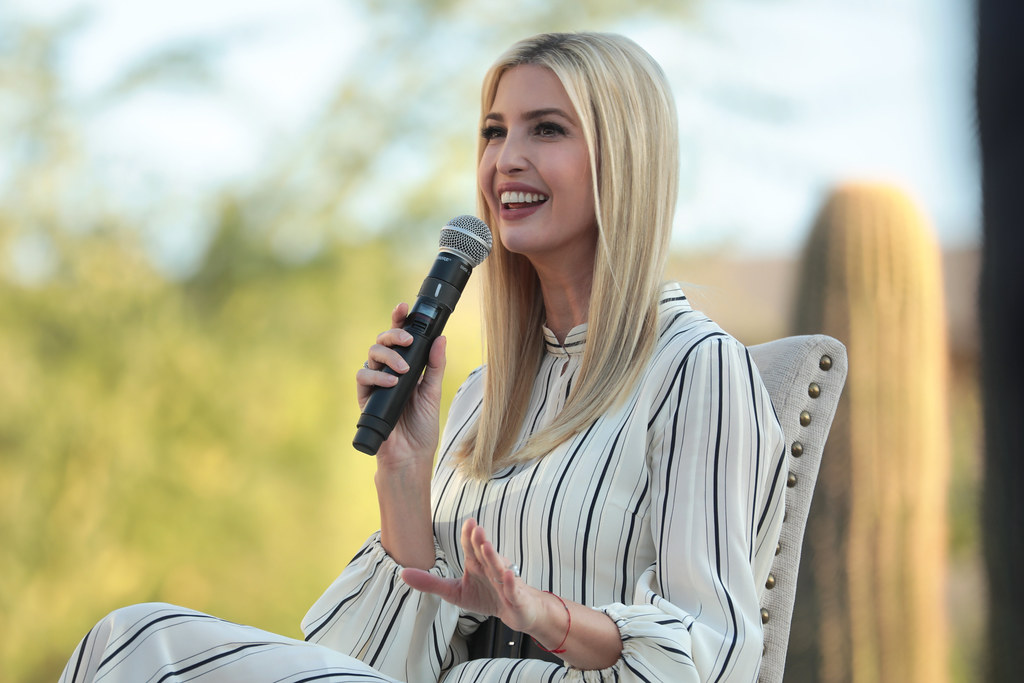
Ivanka Trump’s Family Tribute and Immediate Public Response
Ivanka Trump posted a personal tribute that referenced multiple family members and prompted a swift reaction online. The post highlighted family memories and pulled attention toward both private loss and public roles.
Details of Ivanka Trump’s Tribute
Ivanka shared photographs and a short message honoring a family milestone and the memory of a relative. She mentioned her grandmother’s 99th birthday in one account and has previously posted about her late mother, Ivana, emphasizing family continuity and personal memories.
The post included family images and an intimate tone, rather than a political statement. She framed the message around gratitude and familial values, noting how those relationships shaped her day-to-day life and decision-making.
This tribute tied into the family’s public profile by referencing recognizable names and moments that readers associate with the Trump household. It used evocative photos rather than policy or campaign language, which kept the post focused on private remembrance.
Online Accusations and Social Media Backlash
Comments filled with accusations appeared almost immediately after the post went live. Many critics connected the tribute to Ivanka’s perceived silence or alignment with Donald Trump on contentious issues, which drove heated replies and demands for accountability.
Some users pointed to Ivanka’s public role during major events—such as her White House involvement and testimony contexts—as reasons to scrutinize her posts. Others criticized the timing of the tribute, interpreting it as image management rather than genuine mourning.
The reaction mixed supportive messages and sharp criticism, and several threads evolved into debates about privilege, responsibility, and public transparency. Moderation choices and disabled comments in past posts influenced how people interpreted and amplified the backlash.
Role of Donald Trump and Other Family Members
Donald Trump’s presence in family posts often colors public interpretation of Ivanka’s messages. When Ivanka referenced family milestones, observers frequently read those posts through the lens of her father’s political profile and past controversies.
Other family members—siblings and extended relatives—either appeared in images or were mentioned indirectly, which reinforced the perception of a coordinated family image. Figures associated with the family’s political and media circles, including commentators who align with Donald Trump, contributed to amplifying or defending the tribute.
Public figures like Charlie Kirk and conservative commentators occasionally referenced family posts to support political narratives, further blurring lines between a private tribute and public messaging. That interplay kept the focus on both familial sentiment and the broader implications for the Trump family brand and business interests.
Heated Debate: Deeper Examination of the Tribute’s Impact
Ivanka Trump’s choice of a recreation of Audrey Hepburn’s Givenchy gown triggered immediate public debate and entwined fashion criticism with legal and political scrutiny. Reactions ranged from personal statements by Hepburn’s family to intensified attention on unrelated high-profile legal developments tied to her family’s businesses.
Audrey Hepburn Tribute and Backlash
Ivanka’s appearance in a dress modeled on the Hubert de Givenchy design from Sabrina drew sharp reactions online and in press coverage. Sean Hepburn Ferrer, Audrey Hepburn’s son, publicly commented that Ivanka sought “ultimate elegance” and acknowledged the tribute while also noting his mother’s lifelong humanitarian work, which many critics contrasted with the political stances of the administration.
The gown’s recreation elevated questions about appropriation of cultural touchstones. Critics cited the mismatch between Hepburn’s UNICEF advocacy and some policy actions tied to the administration. Supporters defended Ivanka’s personal admiration for Hepburn and Givenchy’s role in producing the look.
Civil Fraud Trial and Testimonies
Separately, the family faced legal pressure in the New York civil fraud case brought by New York Attorney General Letitia James. Testimony and witness statements in that trial focused on alleged misstatements in financial statements and valuation practices across related businesses. Witness accounts and documentary exhibits aimed to show discrepancies between reported asset values and actual financial conditions.
Jared Kushner and other executives were part of the wider investigatory spotlight; while courtroom evidence centered on corporate disclosures, public attention linked the trial’s reputational damage to family figures who play public roles. The civil case increased scrutiny of how personal appearances and family branding intersect with contested corporate narratives.
Political, Cultural, and Media Implications
The episode highlighted how a single sartorial choice can become politicized in the current media landscape. Outlets and social platforms framed the tribute through partisan lenses, amplifying narratives about legacy, privilege, and values. Coverage often paired images of the Givenchy-inspired gown with reminders of policy decisions and legal challenges, feeding the controversy cycle.
Media emphasis on Sean Hepburn Ferrer’s remarks and on Givenchy’s involvement showed how cultural heirs and luxury houses influence public interpretation. The interplay of legal testimony, such as filings from Letitia James’ office, and fashion commentary created cross-domain scrutiny that affected perception of both personal branding and institutional accountability.
More from Vinyl and Velvet:

Leave a Reply