

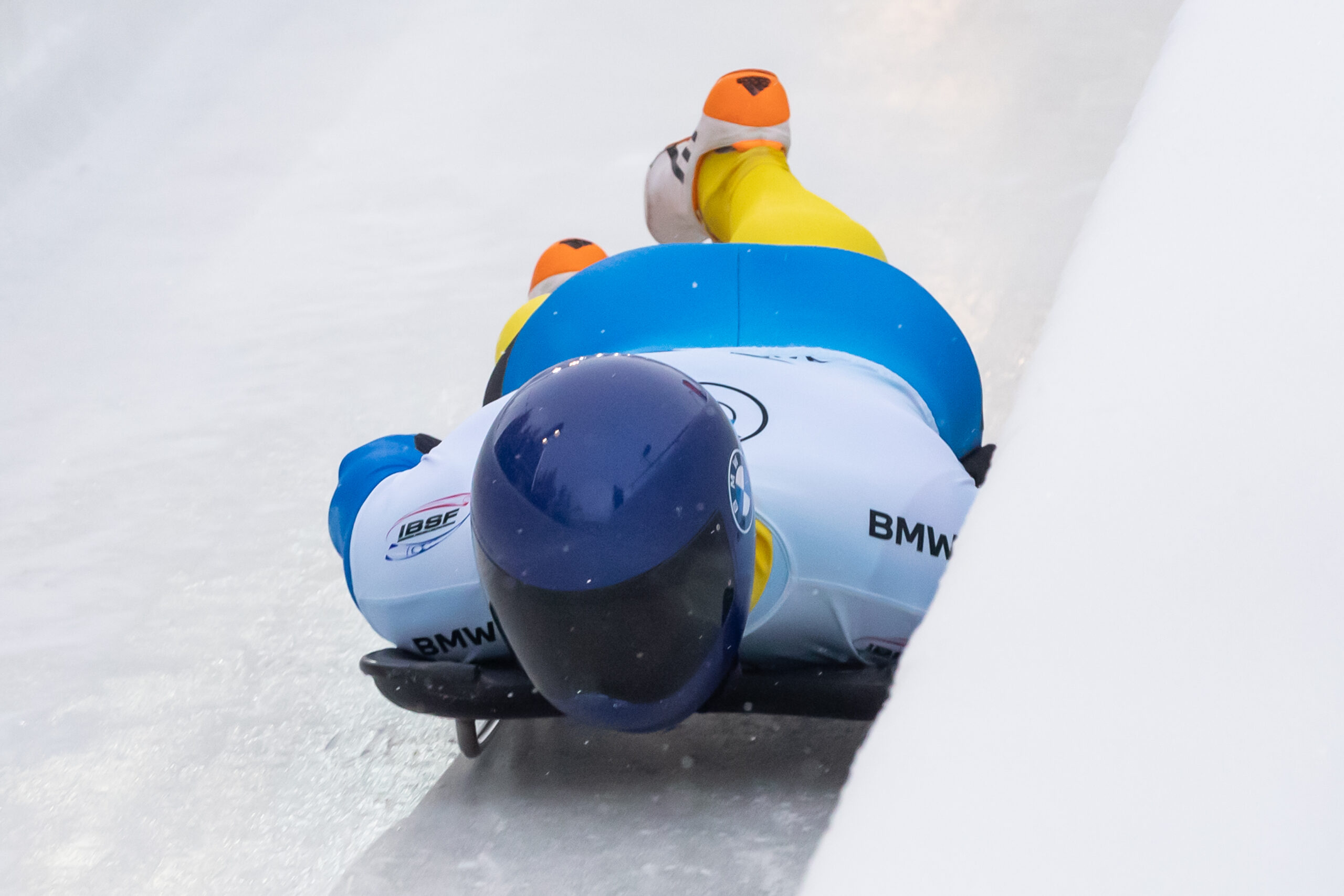
You watch an athlete take the start line knowing a personal tribute sits under their helmet, and minutes later their accreditation is pulled. He was disqualified just before his run because he refused to remove a helmet honoring people killed in his country’s war, and officials said that displaying it during competition violated Olympic rules.
Expect a clear timeline of what happened in the minutes before the event, why organizers said the helmet breached regulations, and how the athlete responded to offers like a black armband or showing the helmet outside competition. The piece will also map reactions from officials, fellow competitors, and his nation to show how this single decision sparked a wider debate.
The Disqualification Incident: Timeline and Details
The athlete refused an official request to remove a helmet he called a “helmet of remembrance,” was told the helmet violated IOC expression rules for the field of play, and was offered alternatives that he declined before officials withdrew his accreditation minutes before his run.
Vladyslav Heraskevych and His Personal Tribute
Vladyslav Heraskevych, a Ukrainian skeleton racer and flag bearer, wore a custom helmet displaying images meant to honor people killed in the war with Russia.
He described the helmet as a “helmet of remembrance” and said it commemorated fellow athletes and compatriots.
Organizers allowed him to use the helmet during training runs but informed him it was not compliant for competition.
Heraskevych insisted on wearing it during the men’s skeleton event and said he would not accept a compromise, prompting his own announcement that he had been disqualified minutes before competing.
The IOC’s Response and Rationale
The International Olympic Committee said it repeatedly sought a compromise because rules ban messaging in the field of play.
IOC officials told Heraskevych the helmet violated the Olympic Charter and their Athlete Expression Guidelines.
IOC President Kirsty Coventry emphasized safety and rule consistency for the competition area.
Officials noted they aimed to let him compete and met with him to explain the position; when he refused alternatives, they withdrew his accreditation for the Milano Cortina 2026 Games.
Alternate Solutions Suggested by Officials
Officials proposed specific, limited alternatives: wear a plain black armband or a black ribbon during competition, and display the helmet before or after the race in the mixed zone.
They allowed helmet use in training runs and offered a post-race mixed-zone display to honor the images without breaching field-of-play rules.
Heraskevych rejected these options, saying they were insufficient and inconsistent with other athletes’ expressions.
After the refusal, the IOC confirmed the final decision to disqualify him and said he could appeal the ruling.
Broader Reactions and Ongoing Debate
The decision reignited arguments about rule enforcement, national grief, and athlete speech at the Games. Reactions ranged from official statements citing the Olympic Charter to emotional public outcry in Ukraine.
Ukraine’s Perspective and Public Outcry
Many Ukrainians saw the disqualification as a denial of mourning rather than a political act. Social media and Ukrainian officials framed Vladyslav Heraskevych’s helmet as a personal tribute to teammates killed in the war, and that framing drove widespread anger when the IOC cited Rule 50 of the Olympic Charter to bar the helmet.
President Volodymyr Zelenskyy and Ukrainian outlets publicly supported the slider, arguing the images honored members of the Olympic family. Protest messages stressed that the tribute referenced victims and athletes, not a policy position, and asked why comparable displays — such as flags seen in stands — faced different treatment.
The emotional tone in Ukraine put pressure on international commentators to reconsider whether uniform Rule 50 application adequately distinguishes memorials from political demonstrations. That debate continues in news coverage and diplomatic comments tied to the Winter Games.
Previous Olympic Expression Controversies
Rule 50 has produced several high-profile disputes in recent cycles. Organizers have repeatedly balanced the Charter’s ban on political, religious, or racial propaganda against athletes’ desires to make statements during high-visibility moments.
Past incidents—ranging from gestures on podiums to messages shown in mixed zones—have prompted ad hoc clarifications, exceptions, and public debate. Those precedents shaped how officials handled Heraskevych’s case; the IOC referenced prior bans on armbands while noting possible narrow exceptions.
These controversies reveal a pattern: enforcement often depends on context, timing, and perceived intent. That uneven application fuels criticism that the rule lacks clear, consistent boundaries across different Olympic venues and moments.
The Impact on Athlete Advocacy
Athletes say the helmet episode underscores limits on personal expression at the Games and complicates advocacy strategies. For competitors like the Ukrainian skeleton racer, the ruling signals that visible tributes during competition risk sanctions even when intended as memorials.
Advocates worry enforcement can chill athlete-led awareness campaigns tied to human rights, conflict, or safety. At the same time, federations and the IOC cite the need to keep venues focused on sport, which they argue preserves neutrality during the Winter Games.
Practical outcomes include athletes shifting messages to press conferences, social media, or post-competition interviews to avoid in-venue penalties. That tactical shift changes how audiences encounter athlete advocacy and how organizations respond to athlete-led calls for attention.
More from Vinyl and Velvet:

Leave a Reply