

You step into a private moment of a public life: James Van Der Beek spent his last days in hospice surrounded by family and close friends, and those present have shared intimate memories that show how he faced illness with quiet moments of connection. You will learn what those final hours looked like, how his loved ones supported him, and what those memories reveal about grief and remembrance.
The piece guides you through his hospice experience and the ripple effect his passing has on family and community, drawing on accounts from those who were there. Expect tender details, thoughtful reflections, and the practical ways people honored him as they said goodbye.
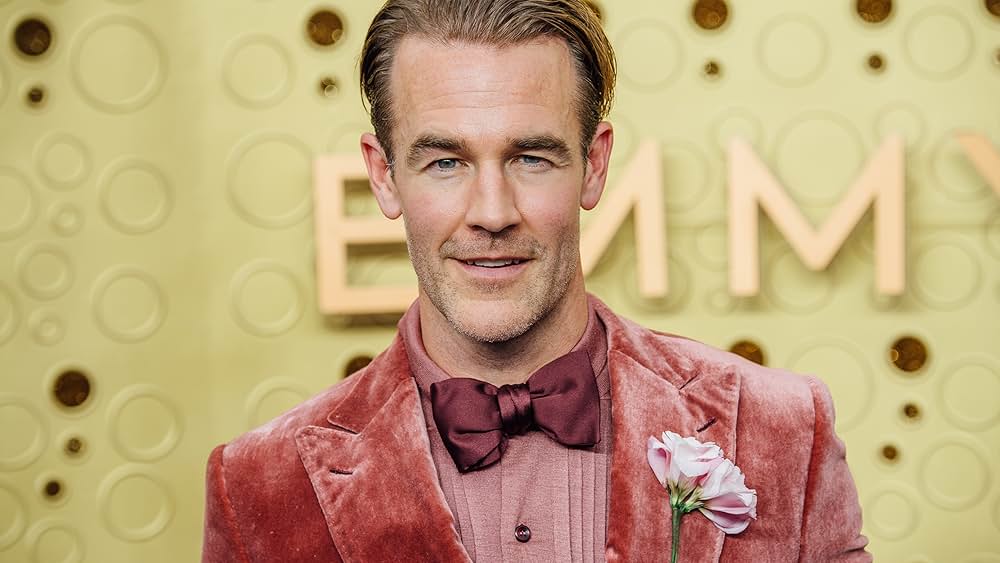
James Van Der Beek’s Final Days and Hospice Experience
His last weeks were defined by a marked physical decline, steady family presence, close friends visiting, and quiet moments of reflection. Hospital-level care moved to comfort-focused hospice support as he spent most days resting with relatives at his side.
Physical Decline and Daily Life in Hospice
He arrived in hospice after doctors determined aggressive treatment was no longer easing symptoms from stage 3 colorectal cancer. Medical staff halted curative interventions and focused on pain management, nutrition support when possible, and breathing comfort measures.
Daily life consisted largely of rest, limited movement, and routine nursing checks. He often could not eat and spent much of his time in bed, receiving medications for pain and nausea and gentle wound or symptom care. Care plans prioritized dignity and minimizing distress over invasive procedures.
Staff documented declining vitals and progressive weakness that made walking or independent tasks impossible. Small comforts mattered: favorite music, quiet lighting, and the presence of family during medication times brought tangible relief.
Family Presence and Emotional Goodbyes
Family members, including his spouse and close relatives, remained at his side for long stretches. They helped with basic care tasks, read to him, and held his hand through painful moments, keeping the atmosphere calm and private.
His partner — and those closest to him — coordinated visits to avoid overwhelming him while ensuring key family could say goodbye. Intimate conversations focused on gratitude, practical arrangements, and final expressions of love rather than medical details.
Photos and personal mementos appeared around his bed to create a familiar environment. Family members took turns staying overnight so he rarely faced long periods alone, and those shifts allowed multiple relatives to share meaningful, private farewells.
Support from Close Friends
Close friends, including industry peers, scheduled brief visits to honor him without drawing prolonged attention. Some arrived with quiet gifts: a handwritten note, a playlist, or a simple embrace — gestures meant to comfort rather than entertain.
Visitors respected hospice rules and his energy limits, keeping conversations soft and focused on memories. Alfonso Ribeiro and other colleagues joined private moments, offering support to the family and exchanging stories about his work and personality.
Friends who could not attend sent messages and photos that staff or family read aloud. Their presence reinforced a communal network of care, helping the family handle practical tasks and emotional strain during those final days.
Reflections on Facing Mortality
He confronted mortality with periods of candid reflection and moments of private acceptance. Conversations recorded by close companions showed a mix of practical planning and emotional processing, as he acknowledged limitations while expressing appreciation.
Those around him described his desire for peace and a wish to shield loved ones from prolonged suffering. He discussed end-of-life preferences with family members, clarifying what mattered most: comfort, presence, and the preservation of personal dignity.
Witnesses said his tone shifted between optimism on social media and quieter realism in hospice. That contrast underscored how he balanced public-facing hope with private preparations, allowing family and friends to say goodbye on their terms.
Family Impact And Life After Loss
The Van Der Beek family faces immediate emotional, practical, and financial shifts as they adjust to life without James. Friends and fans have rallied, while Kimberly has taken on public and private duties to care for their children and settle household matters.
Kimberly Van Der Beek’s Strength and Tribute
Kimberly has led public communications since James’s hospice passing, posting photos and messages that blend grief with gratitude. She honored his final wishes in statements and shared a last Instagram post that resonated with many, paying tribute to their daughter Annabel and James’s father.
She balances parenting four children with managing memorial details and coordinating messages from friends and colleagues. Fashion designer Erin Fetherston and other acquaintances joined private gatherings and offered condolences, reinforcing Kimberly’s network of practical and emotional support.
Kimberly has also begun discussing the family’s needs openly, including fundraising to cover medical and funeral costs. That transparency helped drive online donations and prompted offers from industry peers who remembered James from roles like Dawson Leery and voice work on shows such as Vampirina.
Support for the Children and Household
The children’s immediate caretaking shifted fully to Kimberly and close family members who stepped in to provide daily routines. School schedules, therapy appointments, and privacy concerns became priorities to maintain stability for the kids.
Family friends helped with childcare, meals, and logistics while Kimberly handled estate paperwork and medical billing. The extended Van Der Beek family has been present for milestones and quiet moments, making sure the children are shielded from intense media attention.
Practical steps included setting up trusted adults for pick-ups, consolidating medical records, and arranging grief counseling. Community offers ranged from meal trains to temporary tutors, reflecting an effort to keep the household functioning amid bereavement.
Community and Celebrity Response
Tributes poured in from peers, co-stars, and fans after news of James’s death. High-profile messages acknowledged his work and personal warmth, amplifying private condolences into public remembrance.
Platforms like Instagram carried intimate photos shared by friends; colleagues described moments on set and backstage. These public remembrances increased traffic to fundraising pages and memorial posts, which in turn brought both support and added public scrutiny.
Within the local community and the entertainment world, people organized vigils and contributed to charity drives. While celebrity attention helped raise funds, Kimberly and the family managed what details they wanted public to protect the children’s privacy.
Financial and Everyday Challenges
Medical bills and long-term treatment costs left the family facing immediate financial pressure, prompting a public fundraising appeal to help cover expenses. Kimberly noted the strain of months of care and hospital stays on savings and day-to-day finances.
Everyday tasks—mortgage or rent payments, utility bills, and ongoing healthcare for the children—required quick reorganization of the household budget. The fundraiser eased some short-term needs, but financial advisors recommended formal estate planning and benefits review to secure longer-term stability.
Small, practical challenges compounded grief: a stomach virus that swept through the household required extra care, while routine errands and paperwork fell to close friends and family volunteers. Those helping the Van Der Beeks prioritized direct, tangible support—meal deliveries, bill payments, and childcare —to reduce stress during this transition.
More from Vinyl and Velvet:

Leave a Reply