

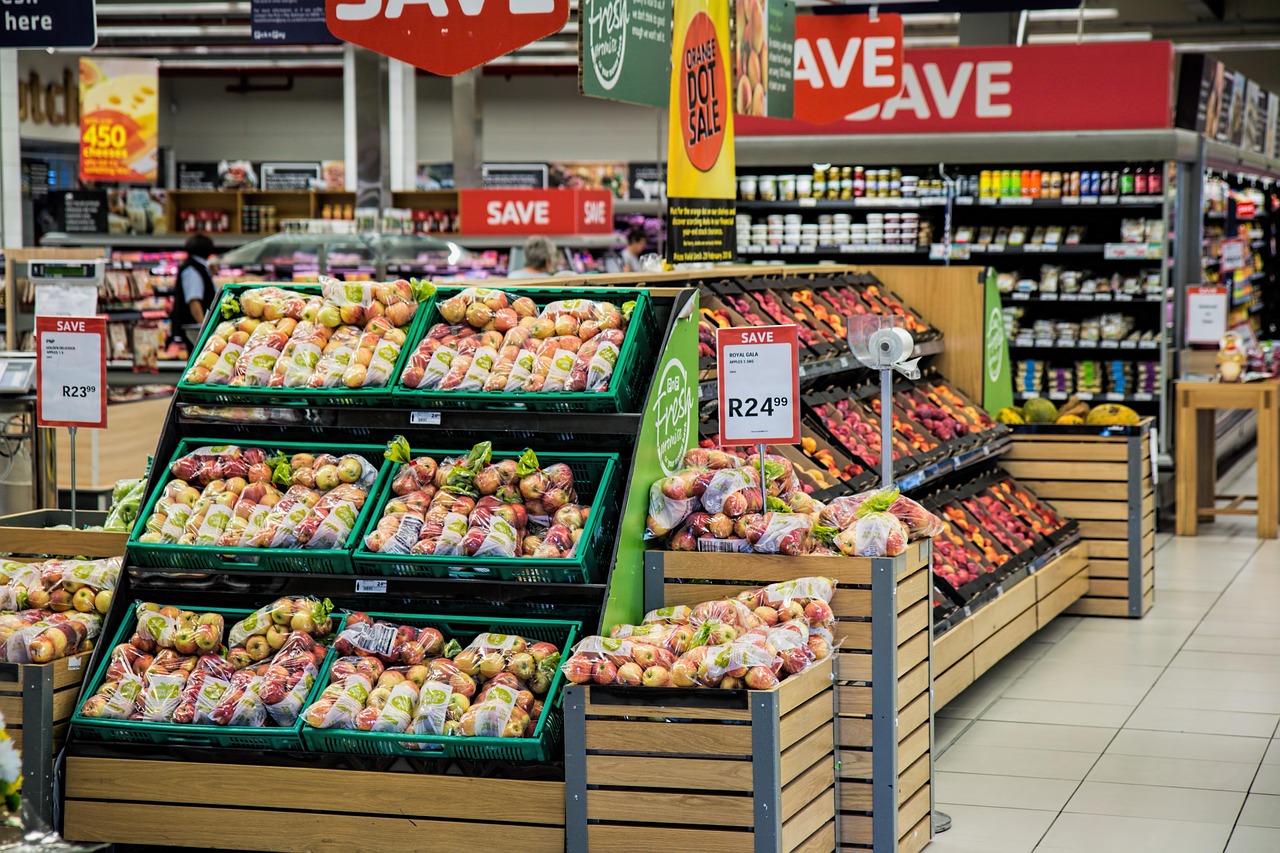
You’ll want to get to this pop-up as soon as it opens — a five-day, no-cost grocery store has arrived in Manhattan and people are already lining up for essentials and snacks. It will offer free groceries to anyone who walks in between February 12 and February 16, 2026, and demand is expected to be immediate.
They’ll explain how the store works, what’s on the shelves, and who financed the effort, so you can decide whether to visit and what to expect. The next sections dig into the location, daily hours, the mix of donated goods and promotional items, and the company behind the initiative.
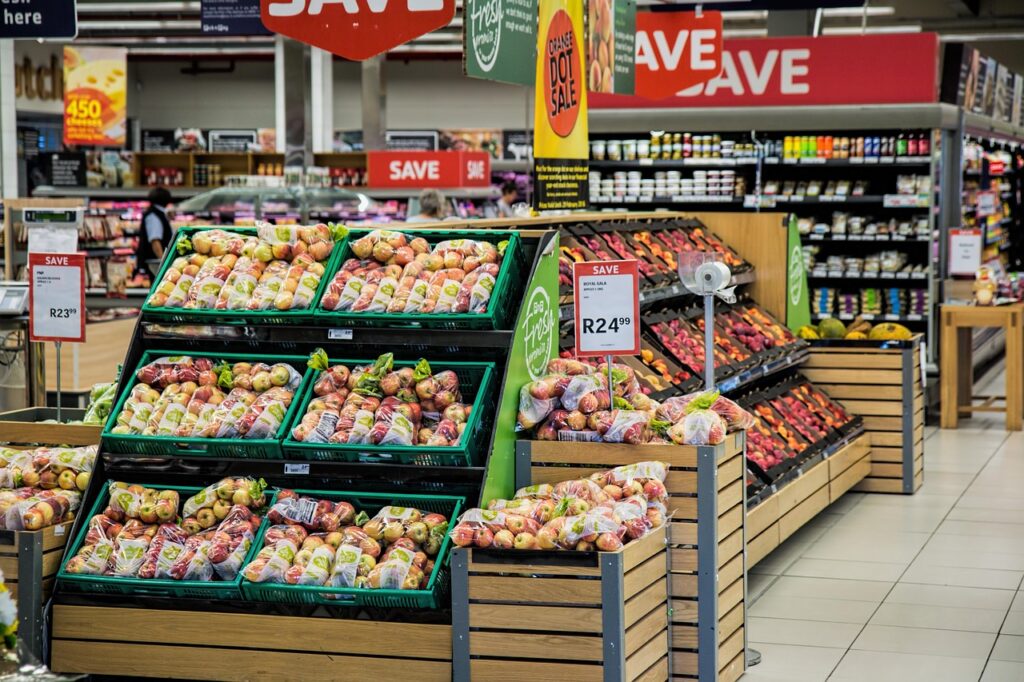
All About New York City’s First Free Grocery Store
The event is a five-day, no-cost pop-up in Manhattan that gives anyone groceries without checkout. It combines a public giveaway with a promotional campaign tied to the prediction-market company behind the operation.
Opening Dates and Location
The free grocery store opens February 12 and runs through February 16, with an additional donation day on the following Monday. The pop-up sits at 137 7th Avenue South in the West Village, a few blocks from the 1 train, making it easy to reach from multiple subway lines.
Grand opening hours begin in the afternoon on February 12; visitors should check local listings for daily start and close times. The temporary format means hours could be limited by supply and crowd control, so arriving earlier in the day increases chances of getting a full tote.
How the Free Grocery Store Works
The store operates without price tags or checkout lines: shoppers enter, select items, and leave without paying. No purchase is required, and the setup treats the space like a community distribution site rather than a conventional retailer.
Staff and volunteers manage restocking, direct traffic, and ensure fair access while maintaining safety measures. Polymarket publicly described the pop-up as both a promotional initiative and a donation effort, and the company also pledged significant funds to local hunger-relief organizations.
What Can Shoppers Expect Inside
Shelves include packaged groceries, staples such as rice and pasta, canned goods, fresh produce where available, and household items. People can fill a tote bag with a curated selection rather than take unlimited quantities, so volunteers may enforce per-person limits to stretch supply across more households.
Signage will guide visitors to product zones, and staff will answer questions about permitted quantities. Some media reports mention complementary giveaways and staffed stations for quick assistance; visitors should bring reusable bags or accept provided totes if offered.
Crowds, Demand, and Community Response
News outlets reported long lines and hundreds of people arriving when the pop-up opened, signaling immediate high demand. Local reaction mixes gratitude from shoppers with concerns about crowding and whether the short run will meet broader food-security needs.
Organizers coordinated with community groups and a food bank donation to amplify impact, but critics note a five-day pop-up cannot substitute for permanent access to affordable groceries. City residents planning to attend should expect waits and arrive prepared for outdoor line conditions.
Who’s Behind the Store and Why It Matters
The project mixes a private prediction-market firm, an established anti-hunger nonprofit, and a political push for public grocery experiments. That combination shapes the store’s funding, logistics, and the larger debate about whether markets, nonprofits, or city programs best address food access.
Polymarket and the Prediction Market Trend
Polymarket, known for running a real-money prediction market platform, signed a lease to open the free grocery pop-up in NYC starting Feb. 12. The company funds and staffs the five-day event, using its brand recognition and event marketing to draw attention quickly.
This move marks a shift for a prediction-market company into direct community service. It leverages Polymarket’s cash reserves and promotional reach rather than core trading technology. Observers will watch whether this is a one-off publicity effort or the start of sustained civic activity from private trading firms.
Connection to Food Bank for New York City
The Food Bank For New York City supplies expertise and distribution know-how that the pop-up needs to run smoothly. Their involvement helps source donated or discounted produce and connect the event with existing client networks across neighborhoods.
Partnering with an established hunger-relief nonprofit reduces logistical risk and signals credibility to donors and volunteers. It also raises questions about scale: a five-day giveaway differs from the Food Bank’s ongoing programs, but the partnership could model new collaboration types between nonprofits and private funders.
Mayor Zohran Mamdani and City-Run Grocery Ideas
Assembly member and mayoral candidate Zohran Mamdani has proposed city-run grocery stores as a policy solution to high food prices. His proposal envisions municipally operated markets in each borough to provide lower prices by cutting certain taxes and centralizing logistics.
Mamdani’s advocacy frames the pop-up as part of a broader policy conversation. If the event drives large turnout, it could strengthen political arguments for municipal experiments. Critics argue city-run stores face operational and legal hurdles; proponents say demonstrations of demand support piloting public options.
Competing Giveaways and Industry Impact
Other actors, including nonprofits and private retailers, run occasional free-food events and giveaways, and exchanges like Kalshi operate in the broader prediction-market ecosystem but have not moved into grocery giveaways. The Polymarket pop-up stands out because a trading firm—rather than a food-focused charity or retailer—organized a public giveaway.
Retailers and food banks may monitor consumer response to determine if demand persists beyond novelty. Supermarkets could view recurring free distribution as a PR challenge, while nonprofits may see partnership opportunities. The immediate effect will be measured in turnout, media attention, and whether the model sparks repeat events or policy pilots.
More from Vinyl and Velvet:

Leave a Reply