

You’ll want clarity up front: allegations have emerged that conservative influencer Erika Kirk sent inappropriate messages to a teenager, and those claims have quickly become a focal point for critics and supporters alike. Key documents and social posts now circulating aim to show when and what messages surfaced, and they have already reshaped public conversations about her nonprofit work and role in conservative circles.
Expect a detailed look at the alleged messages, how they came to light, and what Mick stakeholders are saying about her background, Turning Point USA ties, and past Romania-related controversies. The article will also trace media and legal fallout after Charlie Kirk’s assassination and outline the unanswered questions that could shape future investigations.
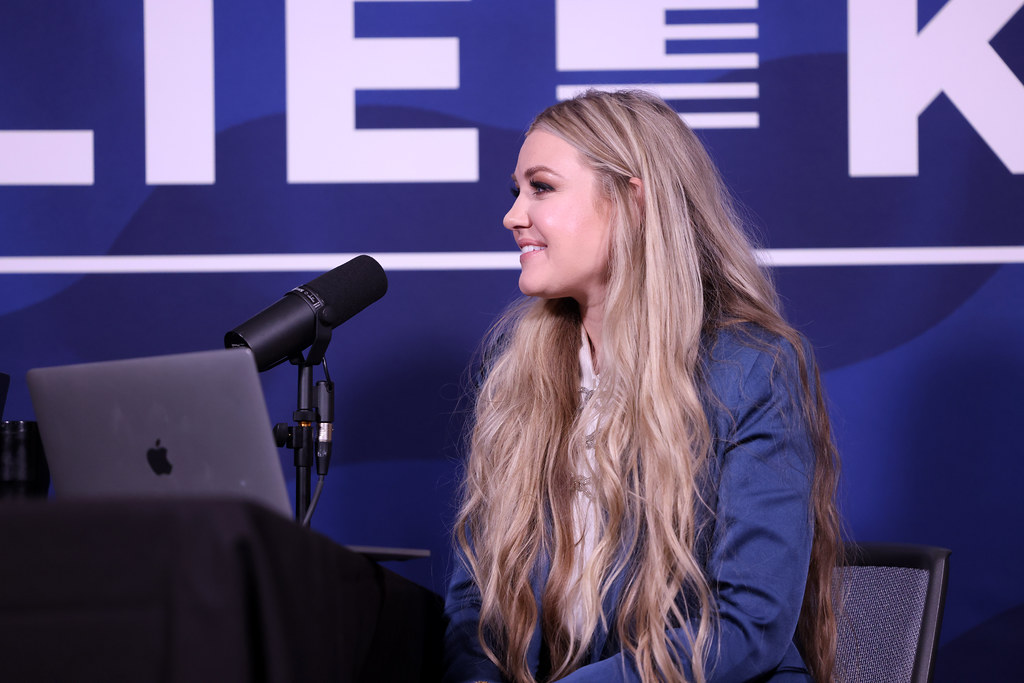
Alleged Grooming Messages: What Surfaced and When
Allegations emerged when screenshots and chat excerpts circulated online showing messages allegedly tied to Erika Kirk and minors. Social posts, livestream clips, and media reports pushed the claims into public view and prompted immediate debate about their authenticity and timing.
The Emergence of Messages Involving Teens
Screenshots first appeared on social platforms and YouTube channels claiming to show direct messages between Erika Kirk and a teen. Those posts included time-stamped snippets and blurred profile photos, which users presented as evidence of inappropriate contact.
Some posts tied the messages to events involving public appearances and Turning Point USA activities, suggesting a timeline. Critics pointed out inconsistencies in timestamps and metadata, arguing those issues cast doubt on verification.
Others who reposted the material said the alleged recipient denied grooming, complicating the narrative. Media outlets then began reporting on both the claims and the denials, noting when and where the screenshots first appeared.
Initial Reactions on Social Platforms
Reaction on X, YouTube, and Facebook split quickly between calls for investigation and demands for restraint. Many users called for Turning Point USA to respond and for platforms to preserve evidence.
Comment threads and livestreams amplified the material; some creators analyzed message language and image artifacts in real time. Critics accused sharers of rushing to judgment, while supporters of the allegations demanded accountability and transparency from Kirk and TPUSA.
A handful of conservative commentators publicly questioned the provenance of the images and urged caution, citing possible doctored metadata and recycled screenshots from unrelated dates.
Breakdown of the Claims Against Erika Kirk
The central claim alleges Kirk exchanged inappropriate messages with a minor during a period when she was active in conservative organizing. Specifics include alleged late-night texts and references to meetings, as presented in circulated screenshots.
Kirk and Turning Point USA have not provided a detailed public timeline refuting each excerpt, according to media coverage. Critics focus on inconsistencies in the shared files—mismatched dates and conflicting witness statements—which they say warrant forensic review.
At least one third-party commentator who reviewed the material urged preservation of original files for investigators. The public record currently mixes unverified screenshots, denials from alleged recipients, and calls from critics for formal inquiry.
Who Is Erika Kirk? Background and Rise to Prominence
Erika Kirk built a public profile through pageants, faith-based projects, entrepreneurship, media appearances, and later nonprofit leadership. She has a background in pageantry and nonprofit work, and she became a national figure after assuming leadership of a major conservative organization.
Early Life and Public Persona
Erika Lane Frantzve was born November 20, 1988, and grew up in Scottsdale, Arizona. She attended Notre Dame Preparatory High School and played basketball and volleyball in high school and briefly at Regis University.
She won Miss Arizona USA in 2012 and competed at Miss USA, which raised her public visibility. She later founded Everyday Heroes Like You, a nonprofit aimed at highlighting community philanthropy, and launched faith-oriented projects including BIBLEin365. She has worked in real estate and run a clothing brand, Proclaim Streetwear, while hosting a podcast called Midweek Rise Up. Her public persona blends Christian faith, entrepreneurship, and media-facing conservatism.
Relationship and Partnership with Charlie Kirk
Erika began dating Charlie Kirk in 2019 and they married in May 2021. Charlie co-founded Turning Point USA and was a prominent conservative activist and influencer; the couple frequently appeared at events together and their professional lives became linked.
After Charlie’s assassination in September 2025, Erika was appointed chairwoman and CEO of Turning Point USA. She has accepted public duties tied to the organization, including speaking at high-profile events and representing the group in national media. Her role at Turning Point USA marked her shift from behind-the-scenes projects to the forefront of a major political nonprofit.
Turning Point USA and Its Culture Under Scrutiny
Turning Point USA’s leadership changes and recent controversies have intensified questions about organizational direction, internal culture, and how the group responds to allegations tied to its top figures.
TPUSA’s Leadership Shift After Charlie Kirk
After Charlie Kirk’s death, the board unanimously installed Erika Kirk as CEO and chair, signaling a rapid transfer of authority that made her the public face of the group. Erika moved quickly into high‑profile events and media appearances, tying the organization’s identity to her stewardship and altering how donors and campus activists perceive TPUSA.
Observers note a continuity in partisan mobilization but also hints of tactical shifts. Some commentators and internal critics say the group leans harder into cultural messaging aimed at young women, while other reporting suggests TPUSA’s core campus operations and donor relationships remain focused on Charlie Kirk’s original playbook. This transition has prompted scrutiny of governance practices, board decision timing, and how power concentrates around a single leader.
Handling of Workplace Controversies
TPUSA has faced multiple internal controversies that raise questions about its human resources and complaints processes. Leaked texts and reports of donor disputes created public crises, and the organization’s responses—public statements, staff reassignments, and limited on‑the‑record briefings—have drawn criticism for lacking transparency.
Employees and outside observers have pointed to inconsistent complaint handling and uneven communication with stakeholders. Independent inquiries and media reporting have pressured TPUSA to clarify financial and personnel oversight, while the Treasury Department correspondence reportedly found no ongoing investigation into organizational finances. Still, critics argue that resolving allegations linked to leadership figures like Erika Kirk requires clearer internal safeguards and an accountable process for workplace grievances.
Romania Allegations and Nonprofit Controversies
Erika Kirk’s early charity work in Romania has drawn renewed attention amid recent allegations. The questions center on the small project she ran, what it did, and whether any official records back the online claims.
Romanian Angels and Everyday Heroes Like You Overview
Erika Kirk previously worked on a Romania-focused project called Romanian Angels under her nonprofit Every Day Heroes Like You. The initiative operated in Constanța in the early 2010s and described itself as providing aid and community support to vulnerable children and families.
Documents and contemporaneous local reporting available to major fact-checkers show the project was modest in scale and not listed in Romanian court or government records as the subject of trafficking investigations. Independent outlets note the program’s activities were largely short-term volunteer missions rather than a long-term institutional presence.
Fact-Checking Sex Trafficking Rumors
Multiple fact-checks concluded there is no verified evidence linking Romanian Angels or Every Day Heroes Like You to child trafficking. Investigations by journalists and fact-check organizations found no Romanian government announcements, court filings, or credible police reports that corroborate the viral trafficking claims.
Online posts conflated unrelated local incidents and anonymous accusations with Kirk’s charity work. Fact-check reports (for example, detailed coverage of the ban and trafficking claims) recommend treating the social-media claims as unverified unless Romanian legal records or official statements emerge.
Claims of Bans and Reputational Damage
Social posts claimed Erika Kirk was banned from Romania and that Romanian Angels was forcibly shut down. Fact-checking organizations and searches of Romanian sources found no evidence of an official ban or deportation order against her.
The viral allegations nevertheless produced reputational consequences: they spread rapidly on social platforms and prompted renewed scrutiny of Kirk’s nonprofit history. Media coverage and online discourse have focused more on the circulation of the allegations than on newly uncovered legal actions tied to Romanian authorities.
Links for further reference: independent reporting on the debunked trafficking and ban claims is available at MSN’s coverage of the Romania controversy (https://www.msn.com/en-gb/news/world/erika-kirks-romania-controversy-explained-heres-the-truth-as-charlies-wife-face-child-trafficking-allegations/ar-AA1Ne5a5).
Public Reactions and Criticism
Reactions moved quickly from shock to organized outrage. Online communities, pundits, and conservative allies all parsed the alleged messages and debated what they meant for Erika Kirk’s public role and credibility.
Viral Backlash and Cultural Commentary
Clips and screen captures of the alleged messages circulated widely on X and Instagram, driving a viral backlash that mixed disgust with skepticism. Critics accused Erika Kirk of inappropriate contact and of exploiting her public platform, while others questioned the authenticity and context of the posts.
Comment threads became battlegrounds. Some users launched hashtags demanding accountability; others pointed to past moments—like staged‑feeling appearances or fundraising ties to Turning Point USA—to argue the allegations fit a pattern. Journalists and culture writers framed the story as part of a larger conversation about influencer power and boundaries when public figures interact with minors.
Candace Owens and Other Conservative Figures Weigh In
High‑profile conservatives split publicly. Candace Owens directly criticized aspects of Erika Kirk’s rise and image in earlier disputes, and her comments resurfaced as people compared intra‑movement scrutiny to broader calls for accountability. Owens’ past remarks about authenticity and visibility fueled coverage that positioned her as a skeptical, sometimes harsh, interlocutor.
Other right‑leaning voices defended Kirk or urged caution until verification. Turning Point USA allies pushed back against what they called a pile‑on, arguing that grief and public visibility invite unfair attacks. That internal divide highlighted how accusations against a conservative influencer can prompt both defensive mobilization and internal policing within the movement.
Critics’ Narratives and Online Debates
Critics framed the allegations through two main narratives: ethical breach and brand hypocrisy. One thread emphasized alleged grooming and safety concerns, urging investigations and media scrutiny. Another stressed perceived contradictions between Kirk’s public messaging on family values and the behavior alleged in the messages.
Debates frequently turned procedural: commenters debated what constituted proof, how platforms should respond, and whether past behavior (fundraisers, staged moments) should influence judgment. The conversation mixed calls for legal review with demands for social consequences, leaving public opinion fractured between those demanding immediate removal from public roles and those insisting on due process.
Charlie Kirk’s Assassination: Legal and Media Fallout
The shooting at a Utah college event triggered a high-profile criminal case and intense media scrutiny that focused on the shooter, video evidence, and responses from conservative networks and Turning Point USA. Legal arguments over evidence and public reactions shaped coverage and ongoing disputes about violent political rhetoric.
Timeline of Events in Orem, Utah
On September 10, 2025, Charlie Kirk was shot while speaking at an event at Utah Valley University in Orem. Security and emergency responders reached the stage quickly; Kirk was pronounced dead shortly after arrival at a hospital.
Police identified and arrested a lone suspect within days, opening a criminal investigation that centered on motive, weapon possession, and the defendant’s movements before the attack.
Prosecutors later sought to introduce multiple video recordings of the shooting into evidence. Defense attorneys moved to exclude graphic footage, arguing it would unfairly prejudice a jury and inflame public opinion. The case has produced a steady stream of filings and hearings about admissibility, discovery, and pretrial publicity.
Media coverage repeatedly showed clips of the incident, prompting debates about responsible publication. Conservative outlets amplified calls about political climate and safety, while mainstream outlets focused on forensic details and court developments.
The Role of Erika Kirk After the Shooting
Erika Kirk, Charlie Kirk’s wife, made public statements in the immediate aftermath that became focal points for sympathetic coverage and personal remembrance. She appeared at memorial events and engaged with supporters, highlighting Charlie’s work with Turning Point USA and his outreach to young conservatives.
Erika’s public presence shaped narratives in conservative media that emphasized victimhood and political motivation behind the killing.
Erika also participated in private legal and organizational decisions, including coordinating with family counsel and Turning Point USA leadership over memorial logistics and potential civil actions. Her communications with media and allies affected how networks framed the story, and her remarks were cited often in opinion pieces and broadcasts.
Unresolved Questions and Future Outlook
Key uncertainties include whether the messages are authenticated, who had access to the alleged communications, and how Turning Point USA will respond organizationally and legally. These factors will shape public reaction and internal stability.
What Is Still Unproven?
Authentication of the alleged messages remains unsettled. No independent forensic confirmation has been publicly released proving the texts or DMs originated from Erika Kirk’s verified accounts. Chain-of-custody details for screenshots and archives have not been disclosed, and metadata that could show time, device, or account ownership hasn’t been published.
Investigators have not presented evidence tying Erika directly to grooming behavior beyond the contested messages. Motive, context, and the age verification of the recipient are unresolved. Legal filings or official statements that clarify whether prosecutors or civil attorneys are treating this as criminal conduct are also absent, leaving both criminal and reputational questions open.
Potential Impact on Conservative Circles
If the allegations gain credible evidence, Turning Point USA (TPUSA) could face donor withdrawals, staff departures, and intensified internal disputes over leadership. Erika Kirk’s role as a public face for the organization means reputational damage to her could translate directly into fundraising and partnership losses for TPUSA.
Even without legal findings, conservative media and influencers are already debating loyalties; that debate may fracture networks that previously relied on unified messaging. Political allies might distance themselves pending verification, while sympathetic factions could rally around Erika, deepening factional splits within right-leaning youth and influencer ecosystems.
More from Vinyl and Velvet:

Leave a Reply