

You’ll quickly see whether King Charles has moved to distance himself from his brother and back official inquiries. He has expressed “profound concern” about Andrew Mountbatten-Windsor’s conduct and said the royal household will stand ready to support police assessing claims, signaling a public step away from his brother while cooperating with investigators.
The post will unpack what that stance means for royal duties, family dynamics, and the practical reach of any investigation, drawing on reports about alleged sharing of official material and ongoing police assessment. Follow the examination of the timeline, the specific allegations involving Jeffrey Epstein, and how this could reshape public and institutional responses to the monarch’s family.
You’ll get a clear breakdown of the police inquiry, the claims tied to Andrew’s role as a trade envoy, and the likely consequences for his personal and public life — plus how the wider monarchy is reacting as new documents surface.
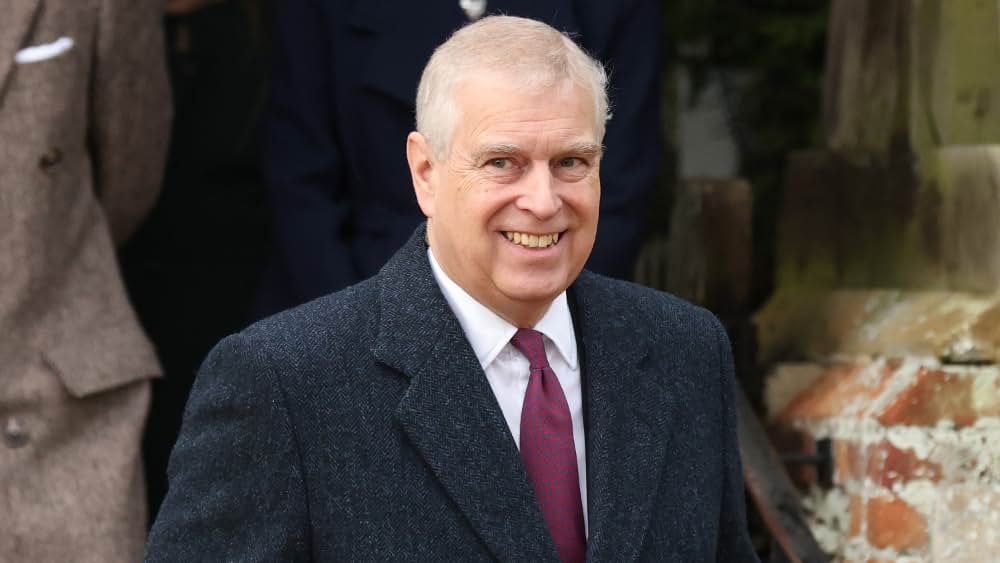
King Charles’ Decisive Actions and Public Stance
King Charles acted publicly to limit Prince Andrew’s role and to make clear the royal household would cooperate with legal authorities. His moves addressed titles, finances, and public messaging from Buckingham Palace, while Queen Camilla and senior royals were reported to back those steps.
Official Statements from Buckingham Palace
Buckingham Palace issued clear, formal language outlining the decisions affecting Prince Andrew. The statement specified the removal of royal styles and titles and explained that those changes follow consultations within the royal household and legal advisers. It emphasized that the measure was taken to protect the integrity of the monarchy and to respect victims and survivors of abuse.
The palace also noted practical arrangements, such as changes to residence and the end of official royal duties for Andrew. Communications referenced King Charles III by title and showed coordinated messaging across the royal household, including acknowledgment of Queen Camilla’s support for the need to uphold standards expected of working royals.
Support for Police Investigation and Cooperation
The king made his backing for law enforcement public by encouraging cooperation with any police inquiries into matters connected to his brother. Buckingham Palace communicated that the royal household would not obstruct investigations and would provide necessary information when lawfully required.
This stance included discontinuing public roles that might complicate policing or legal processes. By removing Andrew from public duties and separating his private affairs from official royal business, the palace aimed to ensure investigators could proceed without royal-immunity questions or operational interference.
Stripping Prince Andrew of Royal Titles and Privileges
King Charles formally removed Prince Andrew’s remaining royal styles and military patronages, reclassifying him as a private individual. The change meant he would no longer use the style “His Royal Highness” or represent the monarch in official capacities; it also affected the use of royal residences and provision of publicly funded security.
Practical consequences included the surrender of certain honors and a move to privately funded accommodation away from royal residences. The decision signaled a clear boundary: Andrew’s activities and legal exposure would now unfold without the formal protections or public roles previously associated with his royal status.
The Police Investigation: Details and Allegations
The case centers on specific claims that sensitive documents and photos linked to Jeffrey Epstein were passed to a close royal contact. Authorities are now weighing whether those materials, and the circumstances of their transfer, meet thresholds for criminal inquiry.
Role of Thames Valley Police
Thames Valley Police announced it was “assessing” material that surfaced after a U.S. Justice Department release. That assessment means officers are initially reviewing evidence to decide if it justifies a formal criminal probe.
They will look for verifiable links between the documents and any UK-based recipients or custodians, interview potential witnesses, and determine if relevant acts occurred within their jurisdiction west of London.
The force can request documents from the palace if asked and may seek voluntary cooperation from staff. Any move to open a full investigation would follow standard police thresholds: reasonable grounds to suspect an offence and proportionality in pursuing lines of inquiry.
Alleged Leaks of Confidential Information
Reports claim confidential reports and photographs from a 2010 diplomatic trade visit were shared with an Epstein associate. If true, investigators will establish provenance — when the files left official channels, who had access, and whether the material bore classification or sensitivity markers.
The inquiry will focus on whether materials were copied, transmitted electronically, or handed over in person, and whether palace records or staff logs corroborate those movements.
Proving a leak requires documentary trails or credible testimony showing unauthorized disclosure. Thames Valley Police’s assessment phase will prioritize tracing custodial chains and identifying any recipients in the UK connected to Epstein’s network.
Breaches of the Official Secrets Act
Allegations raise the question of potential breaches of the Official Secrets Act if the leaked material originated from government or diplomatic sources. The Act criminalizes unlawful disclosure of certain protected information, but application depends on classification, origin, and intent.
Police must assess whether the documents were subject to legal protections and if disclosure would have caused damage to national interests. Legal advisers and Crown prosecutors typically guide decisions on charging under the Act, weighing public interest and available evidence.
If evidence suggests willful, unauthorized sharing of classified material, Thames Valley Police could refer the matter to prosecutors and seek specialist support to handle sensitive national-security considerations.
Andrew Mountbatten-Windsor’s Relationship with Jeffrey Epstein
Andrew Mountbatten-Windsor maintained a public friendship with Jeffrey Epstein that later drew intense scrutiny after Epstein’s crimes became widely known. Documents and media reports have traced contacts, visits, and correspondence that span years and raised questions about judgment, influence, and possible sharing of information.
Timeline of Their Association
Andrew met Jeffrey Epstein in the late 1990s; their social connection continued into the 2000s. He accepted invitations to Epstein’s properties and photographed with Epstein on at least one documented occasion, which resurfaced in later media coverage.
Their relationship cooled publicly after Epstein’s 2019 arrest and subsequent death, but earlier interactions remained under examination. In 2019 Andrew gave a televised interview denying sexual misconduct; that interview and its aftermath led to loss of royal duties and honors. Reports since then show ongoing public and legal fallout tied to those earlier encounters.
Epstein Files and Confidential Documents
Large releases of documents tied to Jeffrey Epstein—including millions of pages and images—have added detail about contacts between Epstein and powerful individuals. The trove included emails and photos that journalists and investigators have cited when reporting on Andrew’s links to Epstein.
Some released material appears to show Andrew in contexts with Epstein; other items include correspondence that investigators and campaigners say could indicate improper sharing of privileged information. Media outlets such as AP and BBC covered many of these revelations, and additional files prompted fresh scrutiny in early 2026. One report summarized parts of those documents and their implications for the royal family and law enforcement.
Allegations of Trade Envoy Misconduct
Allegations emerged that Andrew forwarded reports from his 2010 trade envoy visit in Southeast Asia to Epstein. Those claims prompted at least one formal complaint and police review in the UK, focusing on whether any disclosure breached the Official Secrets Act or represented misuse of his public office.
Thames Valley Police confirmed they were assessing material after complaints from anti-monarchy campaigners. Buckingham Palace stated King Charles supported police action and would cooperate if contacted. The specific accusation centers on emails that allegedly show Andrew sending trip reports to Epstein shortly after returning to the UK.
Sexual Misconduct Allegations and Legal Fallout
The allegations involve claims that Andrew shared close ties with Jeffrey Epstein and that several women, including Virginia Giuffre, accused him of sexual encounters. Legal actions ranged from a settled U.S. civil suit to public releases of documents that prompted police assessments in the U.K.
Virginia Giuffre’s Lawsuit and Settlement
Virginia Giuffre sued Prince Andrew in a U.S. civil case alleging she was trafficked by Jeffrey Epstein and forced to have sex with Andrew when she was a teenager. The case reached a settlement in early 2022; Andrew agreed to make a substantial donation to Giuffre’s chosen charity and to a confidentiality-linked settlement without admitting liability.
The lawsuit had detailed sworn statements and witness accounts that drew international attention. It also included a widely circulated photograph Giuffre said showed her with Andrew, which heightened public scrutiny and led to media coverage across multiple countries.
The civil process did not result in a criminal conviction, but the settlement affected Andrew’s public role: he stepped back from royal duties and faced reputational damage. Giuffre and other alleged victims remained central to calls for accountability and further investigations.
Claims Involving Minors and Abuse
Some documents and allegations tied to Epstein implicated underage victims and raised questions about whether Andrew engaged in sex with someone who was a minor. Those specific claims intensified calls for police inquiries in both the U.S. and U.K., given laws against soliciting a minor and trafficking.
Victims of Epstein described patterns of grooming, coercion, and facilitated travel that prosecutors and advocates say fit trafficking schemes. Where age and consent are in dispute, criminal standards—such as proof beyond reasonable doubt—become pivotal, influencing whether charges proceed.
Allegations also prompted institutions to reassess past interactions with Epstein and led advocacy groups to press for survivor-centered investigations. Public concern focused on safeguarding, jurisdictional hurdles, and whether diplomatic or royal immunity complicated evidence gathering.
Role of U.S. Justice Department and International Implications
The U.S. Justice Department’s release of large batches of documents connected to Epstein provided new material for journalists and investigators. Those disclosures included emails and items that suggested contacts between Epstein and high-profile figures, which in turn triggered renewed scrutiny and police assessments overseas.
International implications included coordination challenges between U.S. prosecutors, British police, and other authorities where alleged acts occurred. The DOJ’s disclosures also sparked debates about prosecutorial decisions in Epstein’s earlier cases and whether victims received adequate legal remedies.
Countries with potential jurisdiction had to weigh evidence admissibility, statutes of limitation, and diplomatic considerations. The material in U.S. filings thus played a catalytic role in reopening inquiries and keeping victim testimony central to ongoing public and legal review.
Impact on the Royal Family and Public Reactions
The move severed official ties, ended financial and residential privileges, and intensified public scrutiny of the monarchy’s handling of misconduct. Reactions ranged from private family statements and historical context to public protests and media campaigns calling for transparency.
Statements from Prince William, Prince Edward, and Queen Camilla
Prince William publicly emphasized the need to protect the monarchy’s integrity and stressed support for victims; his spokesperson confirmed he backed measures ensuring accountability. William’s remarks focused on restoring public trust and clarifying that working royals would not be associated with individuals under serious legal scrutiny.
Prince Edward issued a brief statement acknowledging the King’s decision and underlining the family’s commitment to the charities and institutions affected. Edward emphasized continuity for patronages and reassured organizations that practical steps were underway to reassign duties.
Queen Camilla expressed sympathy for alleged victims and supported the King’s actions as necessary to uphold standards. Her message combined pastoral concern with a private endorsement of measures that remove formal royal links while preserving personal family ties where appropriate.
The Role of Queen Elizabeth II in Earlier Decisions
Queen Elizabeth II made earlier moves that set precedent, notably stripping military titles and patronages in 2022. Those prior actions created the legal and constitutional framework allowing later measures without immediate Parliamentary involvement.
Her decisions aimed to protect institutional stability while maintaining family unity. By negotiating leases and patronage transfers before her death, she limited disruptive fallout and provided a template for King Charles to follow.
Those precedents also informed legal counsel and palace advisers when Charles considered financial, residential, and titular changes. Elizabeth’s earlier choices repeatedly balanced private familial bonds with public duties tied to monarchy legitimacy.
Media and Public Responses, Including Protests
Tabloid coverage and broadcast analysis intensified after revelations from legal filings and memoirs, driving daily headlines and social-media campaigns demanding accountability. Several petitions and protests appeared outside royal residences, calling both for legal scrutiny and for systemic reform of royal oversight.
Advocacy groups, including survivors’ networks, amplified calls for independent investigations; they criticized perceived delays and pressed police to pursue inquiries. Polling showed a measurable dip in public confidence among some demographics, while other segments emphasized due process and cautioned against rushes to judgment.
Commentators such as Graham Smith of the republican group Republic publicly argued the episode underscored the need for constitutional reform, linking personal actions to broader questions about taxpayer-funded privileges and transparent mechanisms for handling royal misconduct.
Consequences for Prince Andrew’s Personal Life
Andrew lost formal royal roles, his residence, and public standing, and now faces private relocation, revoked honors, and a tightened public narrative he must manage.
Eviction from Royal Lodge and New Accommodations
Buckingham Palace served formal notice for Andrew to surrender the lease on Royal Lodge, ending decades of residence in the 30-room house on the Windsor estate. He must vacate a property that carried both status and security arrangements linked to his former public role.
The palace indicated he will move to private accommodation on the Sandringham estate. The exact building and timeline remain undisclosed; Sandringham includes multiple properties but officials have not named which one he will occupy. The move severs his day-to-day ties to Windsor and places him in a more private, less ceremonial setting.
Practical changes include loss of official household staff and a shift to privately funded living costs. The King has signaled he will make “appropriate private provision,” which likely covers basic housing needs but removes the public resources once tied to his Duke of York role.
Loss of Duties and Honors
He no longer performs royal duties and has been stripped of his style and working roles that carried the Duke of York title. He will lose the right to be called “His Royal Highness” and will be referred to as Andrew Mountbatten-Windsor in public records and formal contexts.
Orders and honors tied to his public office, such as chivalric appointments, were removed or are in the process of being revoked. That materially limits ceremonial access and representation at state events and curtails any official fundraising or patronage roles previously held in his name.
Financially, his official funding was cut prior to this action; future provision is described as private rather than sovereign grant-supported. Socially, removal from duties reduces invitations to state and diplomatic functions and signals to institutions and charities that they should no longer associate with him in an official capacity.
Andrew Mountbatten-Windsor’s Public Statements
Andrew’s public comments have been limited and defensive. He has consistently denied wrongdoing while acknowledging the impact of controversy on the royal family’s work, and he relinquished use of his Duke of York title before formal removal.
He now faces constraints on public appearances; palace guidance restricts him from representing the royal family. Any statements he issues will be read as personal rather than official and could be framed by the family’s broader communications strategy to avoid further reputational damage.
Media scrutiny remains intense. His name change to Andrew Mountbatten-Windsor and removal from honors shape how press and institutions refer to him, affecting how he can respond publicly and how his words are received by the public and potential legal or investigatory bodies.
Related Developments and Broader Context
The King’s reported decision has ripple effects across political circles, overseas jurisdictions, and ongoing inquiries. Those ripples touch named individuals, financial ties in Asia, and continuing questions about royal roles and protections.
Other Figures Implicated (e.g., Peter Mandelson)
Peter Mandelson has been mentioned in media speculation about contacts and introductions tied to influential networks, though no public allegation equates him to criminal conduct in the Epstein-related matters. Reporting has focused on meetings and diplomatic contacts rather than claims of wrongdoing, so any implication remains at the level of reputation and inquiries rather than proven misconduct.
Public attention on Mandelson reflects how political figures can become entangled when high-profile scandals surface. It prompts scrutiny of past meetings, correspondence, and whether any introductions facilitated controversial connections. Journalists and watchdogs continue to examine timelines and records to determine what, if any, role such intermediaries played.
International Connections: Singapore and Hong Kong
Singapore and Hong Kong appear in reporting as locations tied to financial arrangements and travel by people connected to the broader network. Authorities in those jurisdictions have different legal frameworks and record-keeping practices, which affects access to bank records and cooperation with foreign inquiries.
Investigators look for transactional traces, visa records, and corporate registrations in both cities to map money flows and movements. Confidentiality laws can slow visible progress, but public reporting suggests investigators are following leads that cross these financial hubs, seeking to establish whether funds or meetings in Asia relate to the allegations under review.
Ongoing Scrutiny of Royal Involvement
The monarchy faces continued examination over whether it properly managed security, funding, and titles around members implicated by scandal. Removal of an allowance and privately funded security are practical steps the King reportedly took to distance the institution from controversy and reduce state liability.
Parliamentary and police inquiries remain active in different forms: criminal probes, media investigations, and internal palace reviews. Each thread — legal, financial, reputational — proceeds on its own timetable, and officials monitor developments in courts and overseas to decide further administrative or ceremonial measures.
More from Vinyl and Velvet:

Leave a Reply