

You’ll see how a sharp Russian rebuke moved beyond routine diplomacy and landed as a public mockery aimed squarely at Donald Trump, and why that matters for ongoing U.S.–Russia tensions. The jab signals more than insult: it exposes competing narratives about the Ukraine war, negotiation leverage, and each side’s appetite for confrontation.
Expect a concise tour through the specific taunts and statements from Moscow, how they intersect with recent diplomatic exchanges, and what those moves mean for U.S. policy and international reactions. The piece will also track how media and public opinion on both sides amplify or blunt the impact of the mockery.
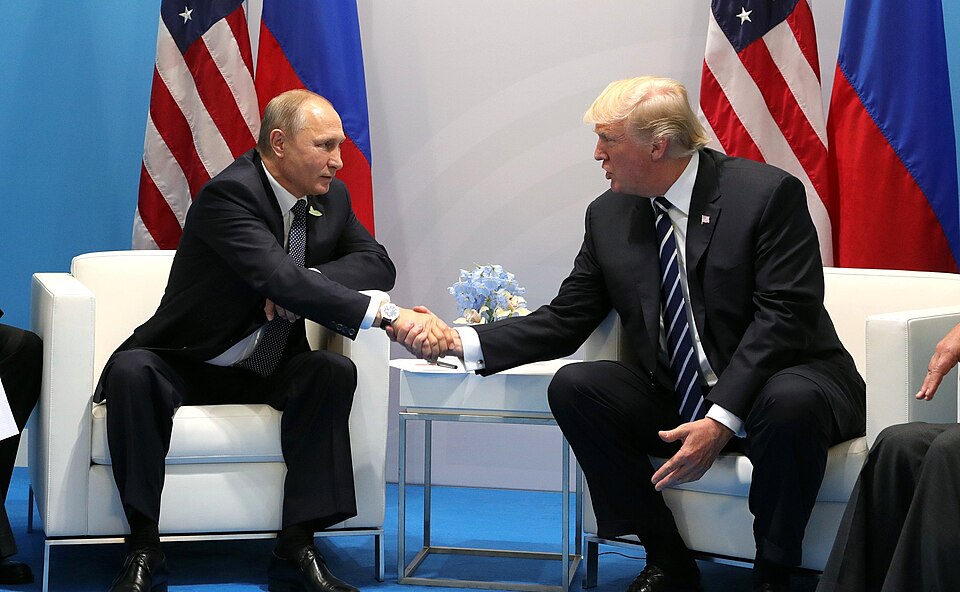
Overview of Russia’s Public Mockery of Donald Trump
Russian outlets and officials have publicly ridiculed Donald Trump’s behavior, mental state, and policy positions, framing him as inconsistent and easily provoked. Coverage emphasized moments when his rhetoric clashed with Kremlin interests and when U.S. diplomacy appeared disordered.
How Russian Officials Mocked Trump
Kremlin-aligned commentators and some officials used derisive language to question Trump’s mental fitness and decision-making. Anchors on major state channels highlighted episodes of repeated phrases, onstage gaffes, and abrupt changes in policy to portray him as erratic.
A Kremlin spokesperson at times framed U.S. threats as theatrical, suggesting Moscow viewed Trump’s statements as bluster rather than credible policy. Russian statements often mixed sarcasm with strategic messaging to undermine his authority while deflecting direct diplomatic escalation.
This approach served two tactical aims: to erode international confidence in U.S. leadership and to reassure Russian domestic audiences that Moscow could absorb or mock external pressure.
Major Incidents and Media Coverage
Russian media amplified specific incidents that cast Trump in a negative light—public town-hall moments where he appeared disoriented, social-media warnings to Putin, and statements about ceasefires or sanctions. State TV programs replayed these clips and added commentary that emphasized inconsistency and spectacle.
Independent and foreign outlets noted that state channels framed such moments as proof of instability; analysts tracked repeated themes across Kremlin-aligned platforms. Coverage often referenced prior nicknames and recurring caricatures to make the narrative familiar to viewers in Moscow and beyond.
Some Russian pieces explicitly linked Trump’s actions to larger Western disarray, using his missteps as evidence that U.S. policy lacked cohesion.
Timing and Diplomatic Context
The mockery intensified around high-stakes interactions—public warnings between Trump and Vladimir Putin, and moments when U.S. policy toward the Ukraine war or sanctions was unresolved. Russian messages appeared calibrated to land when U.S. announcements were most visible.
Moscow used those windows to project confidence and to suggest that American rhetoric did not match follow-through. The timing also coincided with domestic Russian political narratives that prioritized portraying the Kremlin as steady amid global instability.
By pairing mockery with measured diplomatic replies, Russian officials aimed to neutralize threats while maximizing the political effect of public ridicule.
Relevant reporting on this pattern appears in coverage by the Washington Examiner and Newsweek, which documented how Russian outlets framed and broadcast their commentary.
Recent Diplomatic Exchanges Between Moscow and Washington
Moscow and Washington have moved from public silence to a flurry of pointed commentary and formal talks. Russian leaders used elected forums and press briefings to cast doubt on U.S. tactics, while Russian diplomats pressed operational issues such as embassy staffing and military hotlines.
Putin’s Public Jabs at Donald Trump
Vladimir Putin framed his comments about Donald Trump in staged appearances and interviews, using measured sarcasm rather than direct insults. He questioned Trump’s policy coherence on Ukraine and NATO, noting differences between Trump’s campaign rhetoric and the administration’s public positions.
The Kremlin sought to underline Russian advantages in any diplomatic reset by emphasizing continuity and statecraft. Dmitry Peskov, speaking for the Kremlin, amplified Putin’s tone in briefings, portraying Russia as calm and strategically patient while suggesting U.S. statements were erratic. Those remarks aimed to shape domestic and international perceptions ahead of formal talks.
Lavrov’s ‘Bidenism’ Comments
Foreign Minister Sergey Lavrov criticized what he called “Bidenism” to contrast Russian diplomacy with recent U.S. policy trends. He used the term to paint a broader American foreign-policy establishment he argued prioritized confrontation and sanctions over negotiation.
Lavrov’s comments appeared during press events linked to meetings with U.S. envoys and were relayed through state media. He tied the critique to operational issues—embassy staffing, flight corridors, and military hotlines—arguing that practical cooperation should not be hostage to ideological postures. The rhetoric served a tactical purpose: to pressure the U.S. on specific concessions while framing Russia as open to pragmatic dealings.
Moscow’s Response to Trump’s Statements
After Trump signaled willingness to pursue a diplomatic rapprochement and rule out U.S. troop deployments to Ukraine, Moscow shifted tone toward cautious engagement. Russian officials publicly welcomed aspects of Trump’s comments that aligned with Russian security objectives, while pressing for concrete steps like restoring direct flights and embassy operations.
Dmitry Peskov repeatedly translated Moscow’s ambivalence into diplomatic leverage, saying Russia would judge actions not words. The response combined public praise where useful and bureaucratic demands where leverage was needed, keeping channels open for negotiations on military hotlines, staffing, and economic ties.
Mockery in the Context of the Ukraine War
Russian state media and officials framed Trump’s approach as naive and self-serving, arguing that his concessions to Moscow would not stop fighting. They focused criticism on the proposed ceasefire terms, sanctions relief, and Washington’s shifting posture toward Ukrainian NATO aspirations.
Russia’s Critique of Trump’s Ukraine Plans
Russian outlets emphasized that Trump’s peace proposals—reportedly offering recognition of Crimea and de facto acceptance of occupied regions—reflected a U.S. willingness to accept Russian territorial gains rather than secure Ukrainian sovereignty. Commentators portrayed that posture as proof the United States prioritized a transactional deal over Ukraine’s territorial integrity.
Kremlin-friendly analysts argued Moscow had no incentive to accept a negotiated freeze because battlefield gains and leverage against Kyiv remained more valuable than diplomatic concessions. They mocked the idea that signaling U.S. recognition or NATO exclusion would induce a Russian ceasefire.
Sanctions and Economic Pressure
Coverage highlighted that proposed U.S. willingness to lift or ease sanctions undercut their role as leverage over the Kremlin. Russian commentators cast sanctions relief as validation of Moscow’s strategy: sustain the campaign until pressure from the West collapses.
Reports also noted continued Western economic measures remain central to Ukraine’s defense calculus. Critics in Russia argued sanctions hurt Western economies too, using that claim to frame renewed negotiations as an opportunity for economic cooperation rather than accountability.
Kremlin Reaction to US Policy Shifts
The Kremlin publicly dismissed gestures as insufficient and staged rhetorical victories from Trump’s concessions. State media used ridicule to portray Western leaders as weakened, saying Putin could afford to stall talks while consolidating gains.
At the same time, Russian officials avoided locking themselves into any agreement, framing negotiations as tactical. That stance signaled Moscow’s willingness to keep military pressure active while extracting political concessions when convenient.
Relevant reporting on the Oval Office meeting and subsequent reactions appears in contemporaneous coverage of the 2025 talks, which documented the public exchanges and media framing.
Reactions from World Leaders and Officials
Leaders and officials reacted along predictable lines: Ukraine pushed back on Moscow’s actions, the Kremlin dismissed U.S. criticism, and allies weighed in with measured diplomatic language and concern.
Volodymyr Zelensky’s Response
President Volodymyr Zelensky condemned the attacks that prompted the exchange, stressing civilian deaths and infrastructure damage. He called for concrete support from Western partners rather than rhetoric, and pressed for more air-defence systems and long-range capabilities to protect Ukrainian cities.
Zelensky also signalled scepticism about any rapid ceasefire brokered without firm guarantees, noting prior stalled talks. His messaging aimed to keep international attention on humanitarian impacts and to push allies toward supplying weapons and intelligence rather than symbolic statements.
Statements from the Kremlin Spokesperson
Kremlin spokesperson Dmitry Peskov characterized U.S. President Donald Trump’s remarks as emotional overload and framed them as part of Western media-driven hysteria. He emphasized Russia’s official line that its strikes targeted military and “social infrastructure” tied to Ukraine’s war effort, not civilians.
Peskov’s comments served two purposes: to dismiss personal insults and to portray Moscow as measured. He avoided direct escalation but used the opportunity to question U.S. credibility and to highlight divisions within Western responses.
International Diplomatic Community’s Take
Western diplomats reacted with a mix of caution and condemnation: allies reiterated support for Ukraine’s right to self-defence while urging de‑escalation to limit civilian harm. Some European capitals moved to discuss additional arms transfers and adjustments to range restrictions, signalling practical measures over purely rhetorical pushes.
U.S. officials balanced criticism of Russia’s strikes with calls for coordinated sanctions and diplomatic pressure, and several NATO members publicly urged increased air-defence aid to Ukraine. International organizations focused on humanitarian access and accountability for civilian casualties.
Impact on US-Russia Relations
Russian public mockery of Donald Trump has both symbolic and practical effects on diplomacy, signaling a shift in tone and testing limits of bilateral engagement. The response from Moscow shapes negotiations, personal dynamics between leaders, and how diplomats plan next steps.
Status of Peace Negotiations
Russian ridicule complicates any immediate restart of serious talks over Ukraine by hardening public and political attitudes in Moscow. When state TV frames Trump’s proposals as unserious, Russian negotiators gain domestic cover to avoid concessions and to demand stricter terms before returning to a table.
That rhetoric also reduces Washington’s leverage. U.S. officials must now counter a narrative that portrays American proposals as unserious or performative, which forces them to offer clearer, verifiable commitments to rebuild credibility.
Practical effects include slower back-channel contacts and a higher threshold for scheduling leader-level discussions. Track-two diplomacy and allied coordination may become the primary routes for tentative progress while official channels recalibrate.
Evolving Relationship Between Trump and Putin
Mocking coverage changes the interpersonal backdrop between President Trump and Vladimir Putin by shifting public expectations in Russia. If Putin’s media portrays Trump as unstable, it gives the Kremlin flexibility to adopt either a tougher public posture or a patronizing stance in private meetings.
Trump’s own approach matters. If he responds with defiance, it could escalate rhetoric and reduce space for compromise. If he seeks to downplay the episode, it might allow bilateral engagement to continue, but at the cost of appearing reactive.
Personal rapport still matters for crisis management. However, repeated public jabs increase the risk that meetings become more about image control than substantive negotiation, making detailed policy talks harder to arrange and sustain.
Implications for Future Diplomacy
Diplomats on both sides will likely emphasize damage control and message discipline to prevent media stunts from derailing policy. The United States may increase emphasis on multilateral forums and allied coordination to compensate for diminished bilateral traction with Russia.
Russia can use mocking coverage as leverage in other negotiations, pointing to perceived American disarray to extract concessions. Conversely, U.S. strategy may pivot to concrete confidence-building measures—verified steps rather than headline-grabbing offers—to demonstrate seriousness.
Expect a near-term uptick in guarded statements, fewer publicized leader engagements, and more reliance on technical teams. That pattern will shape whether the episode becomes a temporary rhetorical spat or a longer-term impediment to diplomacy.
Media and Public Opinion in Russia and the United States
Russian state outlets framed the episode as proof of American weakness and cast Moscow as the steady negotiator, while independent commentators and U.S. partisan figures reacted along predictable lines. Public sentiment in both countries shows sharp divides tied to media consumption and political identity.
Coverage by Russian State Media
Kremlin-aligned channels highlighted Trump’s remarks to portray him as pliant and to emphasize Putin’s control of the agenda. State TV and official messaging instructed reporters to downplay expectations for any breakthrough and to stress that Russia is “ready for various scenarios,” mirroring leaked Kremlin guidelines about framing the summit and Ukraine negotiations (Meduza).
Anchors used mockery and selective clips of Trump to reinforce narratives that the United States has weakened global influence, often juxtaposing his statements with scenes of Putin and senior Russian officials. Moscow’s editorial line also pushed the claim that Kyiv is unwilling to negotiate, shifting blame away from Russia and positioning Putin as reasonable.
Satire and Social Media Trends
On Russian social media, state narratives met a mix of amplification and parody. State-run channels’ clips circulated widely on Telegram and VK, but many users repurposed them into memes that mocked both Trump and official spin. That produced a dual dynamic: official content shaped headlines, while grassroots satire eroded message control.
In the United States, clips of Russian mockery circulated on X and TikTok, fueling partisan sharing. Conservative audiences leaned on the coverage to argue for rapprochement; progressive users flagged the coverage as evidence of foreign praise for a U.S. president with potentially risky concessions. Meme formats shortened complex diplomacy into viral soundbites, accelerating polarized interpretations.
Reactions from Conservative and Progressive Figures
Conservative U.S. figures framed Russia’s tone as validation that engagement with Moscow could yield de-escalation. Some GOP commentators argued Trump’s approach exposed Russian anxiety and thus represented leverage for quick negotiations. That line amplified in right-leaning outlets and among supporters.
Progressives warned that Russian praise could signal dangerous concessions, pushing media and lawmakers to question Trump’s negotiating strategy and its implications for Ukraine and NATO. Democratic leaders and many national security commentators emphasized risks to allied security and criticized any unilateral steps that might undercut Kyiv. Russian state media seized on these divisions to suggest U.S. domestic turmoil undermines coherent foreign policy.
More from Vinyl and Velvet:

Leave a Reply