

You sold the rights to your music, and the industry just shifted beneath everyone’s feet. Britney Spears has sold her entire music catalog to Primary Wave, a move that hands control of her hits to a major publisher and immediately changes how those songs can be licensed, monetized, and reused.
This deal matters whether you follow pop-chart moves or watch how music money flows into streaming, film, and advertising. The next sections break down what was sold, what the reported terms suggest, and how this could reshape Spears’ legacy and pop-culture moments for years to come.
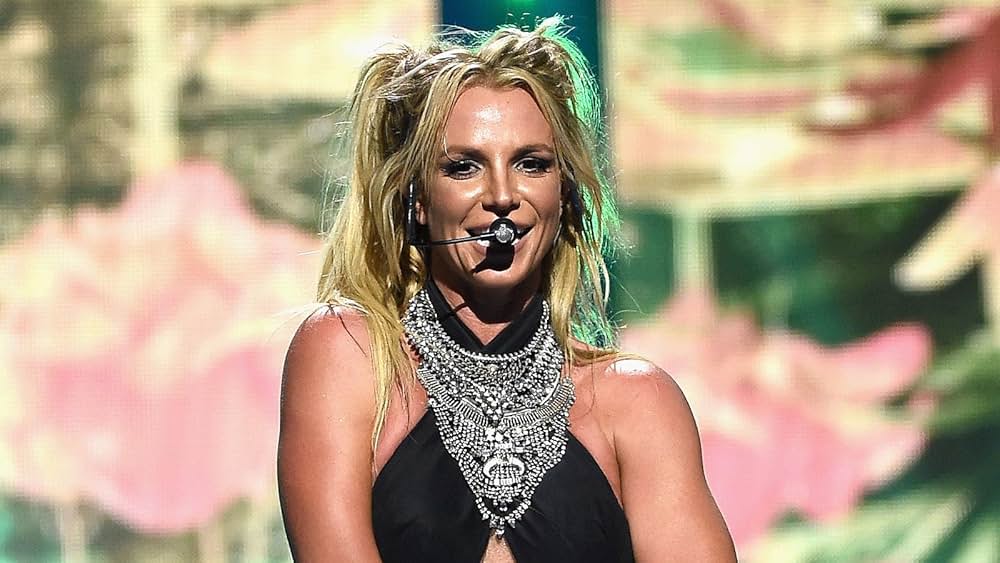
Details of Britney Spears’ Music Catalog Sale
The transaction transferred ownership of Spears’ core publishing and songwriting rights to a single buyer and affected how future licensing and royalty income will be managed. Key songs, deal parties, timing and how the sale compares to recent catalog transactions shape the business impact.
Which Songs and Albums Were Included
The catalog sale covers Spears’ best-known pop singles and many album-era compositions from her late-1990s and 2000s releases. Confirmed titles include “…Baby One More Time,” “Oops! … I Did It Again,” “Toxic,” “Gimme More,” “Piece of Me,” “Hold It Against Me,” “Circus,” “Sometimes,” “(You Drive Me) Crazy,” “Lucky,” and “Everytime.”
The package appears to include publishing and songwriting rights rather than master recordings, which means licensing for sync placements and performance royalties now route through the new publisher.
Reports indicate the deal spans material across multiple albums, capturing Spears’ commercial peak and later comeback era singles, but does not clearly specify if every album track or any alternate masters were included.
The Deal With Primary Wave
Multiple outlets report that music publisher Primary Wave bought Spears’ catalog and related rights, with the transaction signed on December 30 according to early reports. Primary Wave is an independent music-publishing company known for acquiring high-profile catalogs and handling both publishing and active artist management.
The arrangement transfers Spears’ publishing rights—what governs composition royalties and licensing—to Primary Wave, which will control future placements, synchronization deals, and administrative collection. Industry coverage from major outlets confirmed Primary Wave as the buyer; TMZ first reported the timing and several outlets followed with corroboration.
Primary Wave’s model often includes actively pitching songs for film, TV and ad uses, so the catalog could see expanded licensing under the new owner.
Estimated Value and Industry Comparisons
While the exact price was not disclosed publicly, multiple reports place the figure in the nine-figure range or compare it to market benchmarks. One outlet noted the sale’s payout may be similar to Justin Bieber’s reported $200 million catalog deal with Hipgnosis Songs Capital in 2023.
Comparisons to other recent catalog sales—shifts involving artists like Shakira, Bruce Springsteen and others—help contextualize the deal’s likely valuation metrics: historical earnings, streaming activity, hit-to-catalog ratio, and synchronization potential.
Market observers expect the sale reflects Spears’ enduring streaming numbers, catalog performance of songs such as “Toxic” and “…Baby One More Time,” and Primary Wave’s willingness to invest in proven long-term royalty streams.
Impact on Britney Spears’ Career and Pop Culture
The sale moves ownership of decades of recorded hits and publishing stakes into a commercial partnership that reshapes who manages Britney Spears’ catalog and how her songs might be used. It hits on personal finances, family ties, and the broader rush of high-value catalog deals across the industry that set a market context.
Britney’s Personal Response and Family Connections
Britney has not issued a detailed public statement about the terms, but reports say she sold her catalog to Primary Wave, which now controls rights to recordings and possibly some publishing. That transfer affects her future income streams and how her music is licensed for films, ads, and reissues.
Her family situation remains part of the public narrative. Children Sean Preston and Jayden James Federline are legal dependents of her and Kevin Federline, and changes to catalog income could influence financial planning for them. The end of the conservatorship freed her to make these choices, making this sale one of her first major business moves after that era.
She previously vowed she would “never perform in the U.S. again,” a comment fans reference when debating whether catalog sales signal retirement or simply a strategic exit from touring. The deal gives others control over commercial uses even if she steps away from live work.
Industry Trends: Other Major Catalog Sales
This transaction joins a wave of high-profile catalog purchases that reshaped music business norms. Large payouts to artists like Bruce Springsteen, Sting, and Justin Bieber show companies value long-term streaming and licensing revenue, while publishers have acquired rights to icons such as Prince, Whitney Houston, and Stevie Nicks.
Primary Wave’s catalog strategy follows a pattern: buy established catalogs, then maximize sync placements, reissues, and curated campaigns. That approach previously boosted value for estates tied to Bob Marley and Bob Dylan as labels and investors sought evergreen catalogs.
The market also saw big deals from nontraditional sellers—examples include pop stars like Shakira and bands such as Extreme monetizing back catalogs. These transactions influence contract negotiations for current acts and can prompt legacy artists to reassess control versus upfront liquidity.
Legacy and Fan Reactions
Fans reacted quickly across social platforms, blending nostalgia for hits like “…Baby One More Time” and “Toxic” with concern about corporate control of her music. Some long-time supporters see the sale as a secure financial move for Britney; others worry about potential overuse of her tracks in commercials or projects that clash with her image.
Collectors and music historians note that catalog transfers can increase archival releases and curated compilations, which could introduce Spears’ work to younger listeners. Yet the same deals sometimes limit artist input on remixes or licensing choices, affecting how her legacy is presented.
Industry commentators compare Britney’s sale to earlier moves by major artists and point to increased investor appetite for pop catalogs. Observers expect Primary Wave to treat her catalog similarly to how publishers have handled high-profile estates, aiming for both preservation and new revenue streams.
More from Vinyl and Velvet:

Leave a Reply