

You learn that Floyd Mayweather has filed a $340 million claim accusing Showtime and a former executive of helping funnel his earnings through a web of accounts, and you want to know what happened to that money and why it matters. Mayweather alleges Showtime helped hide or redirect hundreds of millions of dollars from his biggest fights, and the lawsuit seeks repayment plus damages for missed investment opportunities.
This piece breaks down the core allegations, the roles named in the lawsuit, and how blockbuster bouts like Pacquiao and McGregor factor into the claimed shortfalls. Expect clear timelines, key contract issues, and what the claim could mean for sports media deals and fighters’ financial protections.
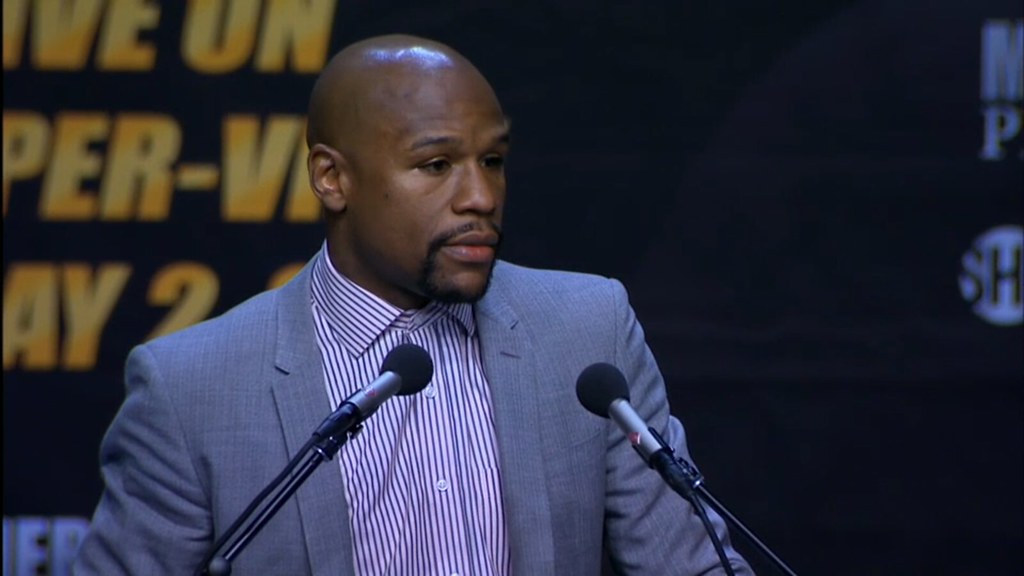
Floyd Mayweather’s $340 Million Lawsuit Against Showtime
Mayweather alleges that hundreds of millions from his biggest fights were diverted or withheld through complex account routing and questionable bookkeeping. The complaint names Showtime Networks and a former Showtime Sports president, while describing actions tied to Mayweather’s longtime advisor.
Overview of the Lawsuit and Allegations
Mayweather filed a California state-court suit seeking at least $340 million in compensatory damages, claiming misappropriated fight earnings and lost investment opportunities. He alleges defendants engaged in fraud, conspiracy, unjust enrichment, and aiding and abetting breaches of fiduciary duty that siphoned money from his payouts.
The complaint targets Showtime Networks Inc. (a Paramount subsidiary) and former Showtime Sports president Stephen Espinoza, arguing they either knew of or facilitated the scheme. It notes a long verbal arrangement with Al Haymon that deviated from standard manager percentages and lacked written documentation. Mayweather requests a jury trial and seeks repayment, additional damages, and legal costs.
How Funds Were Allegedly Withheld and Mismanaged
The suit describes a pattern where large fight proceeds were routed into third‑party accounts controlled by Al Haymon or associates, then transferred to Mayweather after substantial “reimbursement” deductions. Those deductions often reduced the sums Mayweather ultimately received by tens of millions on single events.
Alleged tactics include use of lawyer trust accounts, fabricated reimbursement entries, altered documents, destroyed records, and reliance on non-electronic communication to avoid paper trails. Mayweather’s forensic review found specific instances—such as a multiyear delay on Pacquiao payouts and a $20 million reimbursement tied to a separate fight—that the complaint frames as evidence of financial manipulation and self‑dealing.
The Role of Showtime, Stephen Espinoza, and Al Haymon
Mayweather’s complaint accuses Showtime of turning a blind eye and sometimes participating in accounting that justified withheld payments. It alleges Stephen Espinoza, while president of Showtime Sports, signed lucrative multi‑fight deals and allegedly knew or should have known about Haymon’s control over payout routing.
Al Haymon is depicted as the de facto controller of accounts and payments, using intermediaries like Jeff Morris and avoiding formal written agreements with Mayweather. Showtime’s alleged cooperation—by directing funds into Haymon-related accounts and including large deductions in its records—forms the basis for claims that the network aided and abetted breaches of fiduciary duty and enabled unjust enrichment.
Impact on Career Earnings and Fight Revenues
If proven, the alleged scheme would reduce the verifiable amounts Mayweather received from marquee events: Pacquiao (2015), McGregor, Álvarez, and others. The complaint ties specific revenue flows and accounting entries to reduced payouts, claiming those withholding practices cost Mayweather hundreds of millions in direct earnings and missed investment returns.
The suit contends the financial impact extends beyond single fights, affecting long‑term wealth accumulation and post‑career opportunities. Mayweather seeks restitution for misappropriated funds and damages tied to diminished investment growth, arguing the withheld money materially altered his career earnings and financial trajectory.
Relevant reporting on the case and detailed allegations appears in coverage by The New York Times about the complaint and its timeline.
Key Fights, Earnings, and Financial Disputes
Mayweather alleges hundreds of millions from marquee Pay-Per-View events were diverted, withheld, or obscured through third‑party accounts and unusual bookkeeping. The complaint pinpoints specific fights, particular deductions, and missing paperwork that his team says prevented timely discovery and recovery.
Controversies Around the Manny Pacquiao and Andre Berto Fights
The lawsuit highlights the 2015 Mayweather–Pacquiao bout as a primary example of missing or misallocated revenue. That fight generated enormous pay‑per‑view receipts; Mayweather’s filing claims large transfers tied to Pacquiao revenue were funneled through accounts controlled by his former adviser and then reduced by suspicious “reimbursements.”
Mayweather’s team asserts one $20 million entry labeled as a reimbursement was actually moved months later in connection with the Andre Berto fight, suggesting use of the Pacquiao pool as a slush fund.
Those accounting moves, the complaint says, caused multiyear delays in payouts and produced shortened net payments to Mayweather. He seeks damages in Los Angeles County Superior Court for the alleged shortfalls and related lost investment opportunities.
Missing Documentation and Concealment Efforts
Mayweather alleges repeated failures to produce complete financial records and that key documents were altered or destroyed. He points to altered authorization forms, missing contract pages, and claims some records were later said to be lost in a flood—actions his lawyers view as deliberate concealment.
The complaint says funds were routed through secret accounts and third‑party trust accounts, creating limited transparency for fight earnings and loan payoffs.
These gaps matter legally because they affect discovery and tolling of the statute of limitations; Mayweather contends the concealment delayed discovery of the alleged misconduct and thus should not bar his claims for stolen funds and punitive damages.
Conor McGregor Bout and Other Major Showtime Events
The Mayweather–McGregor crossover in 2017 is cited for having complex revenue splits that, according to the suit, also passed through Haymon‑linked accounts and produced disputed deductions. That fight, along with other blockbuster Showtime events, figures in the complaint as part of a pattern where outsized bookkeeping entries justified withholding money.
Mayweather names Showtime and former sports president Stephen Espinoza for allegedly permitting or facilitating those payment structures.
His filing seeks compensatory recovery tied to specific bouts and seeks punitive damages and attorney fees for what he describes as long‑running misappropriation across multiple high‑grossing events.
More from Vinyl and Velvet:

Leave a Reply