

You watched the headlines and wondered how big the gap really was between Turning Point USA’s alternative halftime stream and the Super Bowl broadcast. The TPUSA stream peaked in the low millions on platforms like YouTube, while the official Super Bowl halftime typically draws well over 100 million viewers on network TV — a difference measured in tens of millions.
This piece breaks down the raw viewership numbers, compares the platforms and viewing contexts, and traces why those differences matter for culture and influence today. Expect clear comparisons and quick takeaways that make it easy to see where each broadcast landed and why it resonated differently.
Viewership Showdown: Turning Point USA vs. Super Bowl Halftime Show
Turning Point USA’s prerecorded “All-American Halftime Show” attracted millions online, while the Apple Music Super Bowl LX halftime performance by Bad Bunny aired on traditional broadcast TV and streaming. The comparison hinges on official Nielsen figures for the Super Bowl and platform metrics like YouTube concurrent viewers for TPUSA.
Official Numbers: Comparing Audience Sizes
Nielsen ratings measure television audiences and will provide the official viewership for the Super Bowl LX halftime show headlined by Bad Bunny. Historically, network Super Bowl halftime performances draw well over 100 million viewers; recent years showed figures from about 101 million to 127.7 million for entire games, with halftime numbers for top acts often exceeding 110 million.
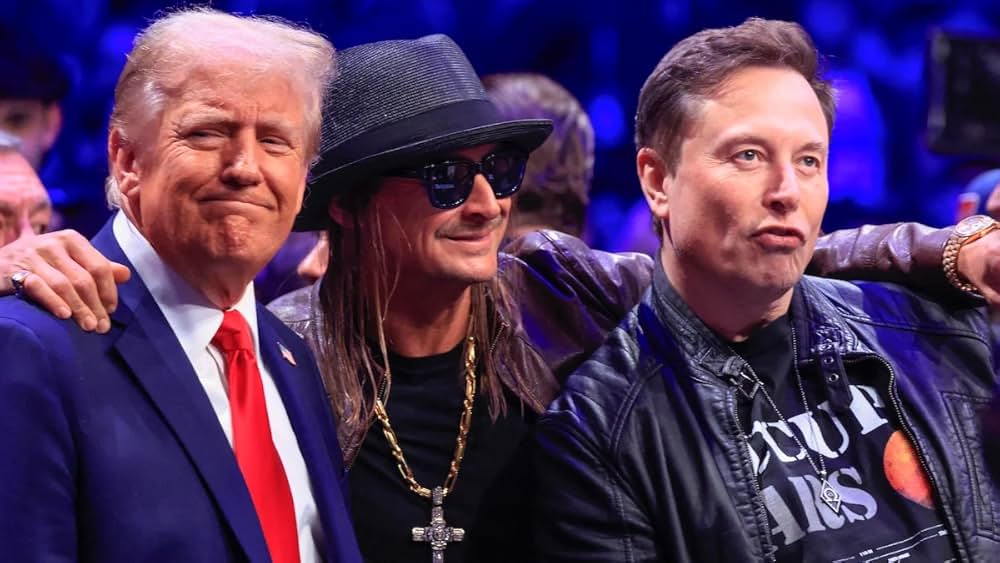
Turning Point USA did not appear on Nielsen as a broadcast halftime event. Instead, its prerecorded show featuring Kid Rock, Lee Brice, Brantley Gilbert and Gabby Barrett reported peak concurrent viewership around five million on YouTube during the same window. That number is substantially lower than typical Super Bowl halftime TV audiences, even as a single-platform concurrent peak.
Streaming Platforms and Metrics
YouTube reports concurrent viewers and total views; TPUSA’s peak ~5 million reflects live-stream concurrency during its airing. Platforms like Apple Music, network streams, and broadcast simulcasts use different metrics such as average minute audience (AMA) and cumulative reach, which Nielsen compiles for the Super Bowl halftime.
Comparing metrics requires caution: a YouTube concurrent peak is not the same as Nielsen’s AMA or total broadcast reach. The Super Bowl’s audience measurement includes households watching on TV and streaming partners, while TPUSA’s figure captures one platform’s momentary peak. That limits direct apples-to-apples comparison between the alternative halftime show and Bad Bunny’s broadcast performance.
Audience Demographics and Reach
The Super Bowl halftime show historically skews broad: diverse age ranges, national reach, and international viewers, amplified by celebrity guests (Bad Bunny, Lady Gaga, Ricky Martin). Advertisers and the NFL prize that wide demographic sweep for mass-market exposure.
Turning Point USA’s event likely skewed toward conservative-leaning and country/rock fans given performers like Kid Rock, Brantley Gilbert, Lee Brice, and Gabby Barrett. Its online format allowed targeted sharing and social engagement, but it lacked the household penetration and cross-demographic reach that the Super Bowl broadcast delivers.
Cultural Impact and Reactions
Turning Point USA positioned the event as a patriotic counterprogram to the Super Bowl halftime. It emphasized country and rock performers, framed the show around Charlie Kirk’s legacy, and aimed to mobilize a politically aligned audience.
Performer Highlights and Social Buzz
Kid Rock headlined and drew the most attention online, with clips of his set circulating across platforms. His performance prompted strong engagement from country-rock fans and conservative influencers, who reposted segments and praised the energy.
Country artists Lee Brice, Brantley Gilbert, and Gabby Barrett contributed radio-friendly moments; Barrett performed “The Good Ones,” which got attention for its recognition among mainstream country listeners. Social metrics showed niche spikes on right-leaning channels rather than broad mainstream traction.
Charlie Kirk’s presence as the event’s inspiration drove political commentators to amplify highlights. Erika Kirk’s mentions and the slogan “the only thing more powerful than hate is love” surfaced in promotional posts, shaping the show’s branding on conservative feeds.
Controversies and Mixed Feedback
Critics immediately flagged the event as overtly political and reactionary, comparing it unfavorably to Bad Bunny’s widely viewed Super Bowl set. Commentators questioned the motive of turning a halftime alternative into a partisan statement.
Some reviewers called the production quality uneven and accused the lineup of catering to a narrow demographic. Others noted unexpected stylistic moments—costuming or lighting choices—that complicated the show’s intended message and sparked debate about artistic sincerity.
Supporters defended the broadcast as a legitimate alternative and pointed to strong social shares within conservative networks. Still, independent media assessments suggested viewership and cultural reach did not match the Super Bowl’s mainstream impact.
Messages and Themes Promoted
The program leaned heavily into patriotism, faith-tinged messaging, and cultural conservatism, often framed as an answer to perceived left-leaning entertainment choices. The slogan emphasizing love over hate appeared in speeches and graphics, used to justify a combative cultural stance.
Musical selections favored traditional country storytelling and rock bravado, reinforcing a nostalgic American aesthetic. Performers’ setlists and stage rhetoric repeatedly invoked national pride and critiques of modern pop culture choices.
Organizers used the event to signal political solidarity as much as musical taste. That positioning boosted loyalty among core supporters but limited crossover appeal to audiences drawn to mainstream halftime spectacles like Bad Bunny’s performance.
More from Vinyl and Velvet:

Leave a Reply