

You just watched a clip that landed on social feeds and sparked a firestorm: Dr. Oz suggested Americans might need to work more, and viewers pushed back hard. That single exchange — airing on a major network — quickly turned into a wider debate about healthcare, retirement and who should shoulder the country’s financial burdens.
Expect a breakdown of what he actually said on CNN, why the remarks felt provocative to so many, and how those comments touch on real policy questions about Medicare, Medicaid, and economic fairness. Stay tuned to see the exact lines that drew criticism, the most common viewer reactions, and what the controversy could mean for policy conversations going forward.
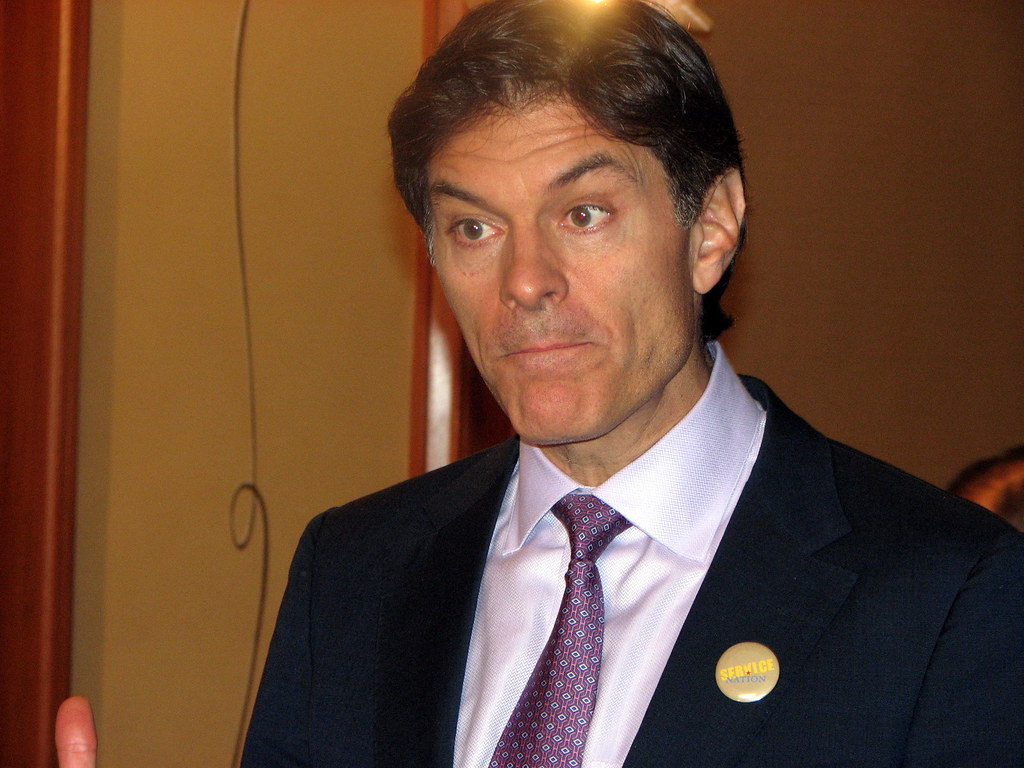
What Dr. Oz Said on CNN and Why It Sparked Backlash
Dr. Mehmet Oz’s comments on national television about Americans needing to work more provoked viewer ire because they touched on retirement, health policy, and political optics. The exchange highlighted tensions between public expectations for benefits and the Trump administration’s staffing choices at CMS.
Summary of Dr. Oz’s On-Air Statements
Dr. Oz, appearing on CNN, suggested that Americans should consider working longer rather than relying on current benefit structures. He framed the remark around affordability and personal responsibility, tying it to broader concerns about rising health-care costs and expiring subsidies discussed on air.
Viewers pushed back quickly. Critics said his tone ignored structural issues like wage stagnation, unequal access to employer coverage, and the burden of medical debt. The interview also included moments with anchors such as Wolf Blitzer and Pamela Brown that some viewers described as unusually deferential, which amplified complaints about his messaging and credentials.
The Economic Rationale for Delaying Retirement
Oz presented delaying retirement as a way to reduce pressure on public programs like Medicare and Social Security. He argued that staying in the workforce could preserve benefits for those most in need and help individuals maintain private coverage longer.
Economists note trade-offs: more work increases contributions and reduces time drawing benefits, but it also depends on job availability, health status, and employer-sponsored insurance rules. Critics argued Oz overlooked barriers such as physical job demands for older workers, age discrimination, and the fact that not all jobs provide meaningful health coverage or living wages.
The Role of Media Figures and the Trump Administration
The interview unfolded against the background of Oz’s political profile and his appointment to run the Centers for Medicare & Medicaid Services under the Trump administration. That context shaped reactions; many saw his remarks as aligning with an administration perceived to favor limited entitlement expansion.
Media dynamics magnified the issue. CNN’s lineup, including segments on The Situation Room and appearances with anchors like Dana Bash and Wolf Blitzer, placed Oz in high-visibility slots where his policy statements received immediate, wide scrutiny. Viewers criticized both his content and how hosts handled the interview, increasing the backlash.
Viewer Reactions and Policy Implications
Many viewers reacted strongly to statements about Americans needing to work more and rely less on government programs. Responses focused on immediate harms to Medicaid recipients, the political push for work requirements, and the broader credibility of the Centers for Medicare & Medicaid Services under its administrator.
Social Media Responses and Viewer Criticisms
Social feeds filled with sharp critiques of Dr. Mehmet Oz after the interview clip circulated. Users called his comments out of touch, shared personal stories of medical bills, and contrasted credit-card advice with real-world costs for chronic care.
Critics highlighted specific groups harmed by such rhetoric: Medicaid recipients who depend on coverage for prescriptions, families who use Medicaid for children’s care, and older Americans on Medicare worried about benefit erosion. Viewers tagged CMS and reporters, pushing clips into newsletters and watchdog threads to demand clarifications.
Some defenders framed the remarks as encouragement for personal responsibility, but most responses stressed that suggesting credit cards as a solution ignores insurance networks, prior authorizations, and the risk of medical debt. Posts also questioned whether a CMS administrator should publicly promote policies that could restrict access.
Medicaid Work Requirements and Public Concerns
Debate intensified over proposed Medicaid work requirements that states and some federal officials have promoted. Policy analysts and advocacy groups warned that tying eligibility to employment could drop coverage for people with disabilities, caregiving duties, or unstable jobs.
Observers pointed to administrative hurdles: documentation burdens, lost paperwork, and state reporting systems that historically led to coverage lapses. They flagged how CMS guidance and decisions by the administrator shape whether states can pursue waivers, affecting millions of beneficiaries across programs administered by the Centers for Medicare & Medicaid Services.
Lawmakers and advocates cited studies showing enrollment declines after work rules and argued that the public-health tradeoffs—delayed care, higher uncompensated costs for hospitals, and increased emergency visits—outweigh projected savings. Those concerns drove many commenters to demand clearer policy details rather than broad admonitions to “work more.”
Impact on Medicaid Recipients and Americans Nearing Retirement
Medicaid recipients expressed fear that policy shifts would reduce access to essential services like long-term care, mental health treatment, and transportation to appointments. Families who rely on Medicaid for children’s coverage worried about continuity of care if eligibility became conditional on employment.
Near-retirees and low-wage older workers reacted with particular alarm. They noted that gaps in employer-sponsored insurance and rising premiums make Medicare enrollment decisions complex, and losing Medicaid could force costly buy-ins or out-of-pocket spending. Commenters also questioned how CMS under its current leadership would address gaps between Medicaid and Medicare for dual-eligibles.
Advocacy groups urged newsletters, community health centers, and legal aid programs to expand outreach about enrollment protections, reporting deadlines, and appeals processes to prevent inadvertent disenrollments.
More from Vinyl and Velvet:

Leave a Reply