

You’ll want to know immediately whether the allegation about Erika Kirk communicating with a minor has credible evidence behind it. Available reporting and fact-checking so far shows the claims circulating online rely heavily on unverified social posts and have been challenged by multiple debunking efforts.
As you follow this piece, it will break down where the allegations originated, which specific claims have been refuted, and which questions remain publicly unanswered. Expect a clear look at how social media amplified the story, how media outlets and fact-checkers responded, and what that response means for public perception and legal exposure.
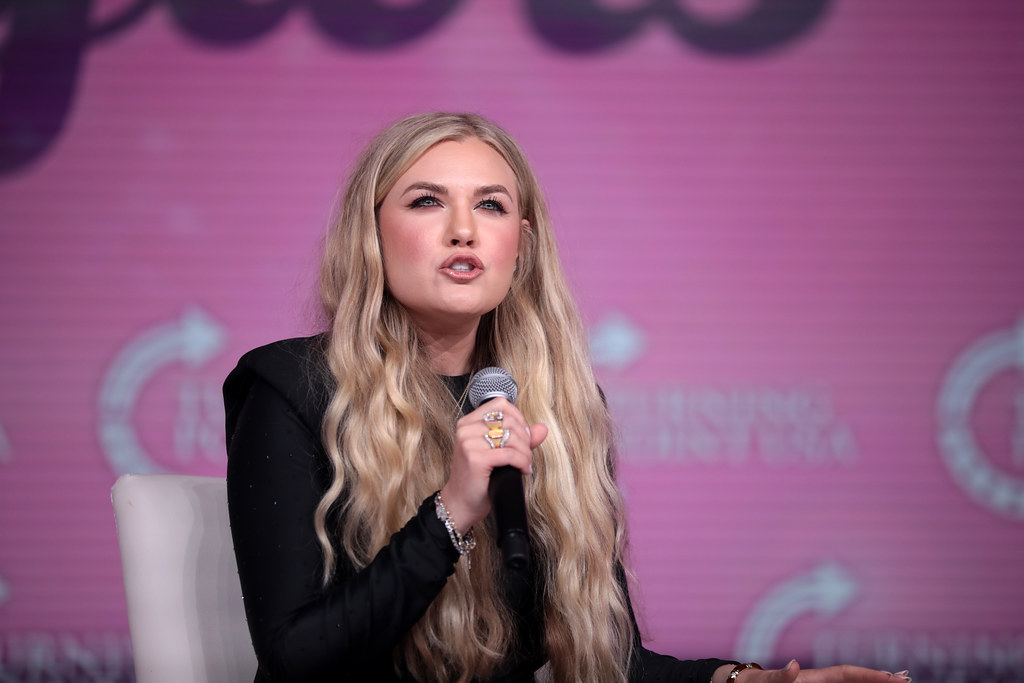
Overview of Allegations and Online Scrutiny
Erika Kirk’s past communications with a minor became the focal point of intense online debate, centered on message screenshots and claims about intent. Public scrutiny quickly mixed verified court filings with unverified social posts, creating a tangled public narrative.
Origins of the Accusations
Claims began after anonymous posts circulated screenshots alleging messages between Erika Kirk and a minor from years earlier. Posters tied those screenshots to her prior charity work in Romania and referenced her rising profile at Turning Point USA and relationship to Charlie Kirk. Some accounts pointed to discrepancies in timestamps and claimed deleted messages as evidence of misconduct.
Independent fact-checkers and several news reports found no official criminal charges tied to those messages. Still, the initial posts framed the issue as a potential legal and ethical problem, prompting calls for investigative reporting and review by TPUSA affiliates. The mix of partial documentation and rumor made it difficult for observers to separate confirmed facts from speculation.
Viral Posts and Internet Sleuths
Viral TikTok clips and X threads amplified the screenshots overnight, attracting internet sleuths who searched public records and old social media accounts for corroboration. Creators used collage videos, side‑by‑side comparisons, and speculative timelines to argue intent and context. Engagement metrics—likes, shares, and comments—rapidly elevated fringe theories into mainstream discussion.
Some sleuths identified mutual contacts and past nonprofit activity, while others flagged inconsistencies in image metadata. That crowdsourced scrutiny pressured journalists and influencers to weigh in, even when primary evidence remained unverified. The process blurred lines between investigative work and mob-driven speculation.
Role of Social Media Platforms
Platforms like TikTok, X, and Instagram served as accelerants, prioritizing engagement over verification. Algorithms pushed the most incendiary clips, increasing reach before moderation could act. Platform takedowns and content labels arrived unevenly; some posts stayed up for days, influencing public perception.
Platform policies on minors and doxxing became central to responses from moderators and legal teams. TPUSA statements and Erika Kirk’s representatives engaged platform channels to dispute claims and request removals. Still, the rapid reposting culture meant allegations persisted across accounts and formats, sustaining the online discourse despite intermittent content moderation.
Relevant reporting tracked these dynamics, including fact-check debunks of the trafficking and Romania claims that were circulated alongside the message allegations (see reporting on the Romania controversy).
Public Response, Media Coverage, and Impact
Public reactions split along partisan lines and platform types, with rapid social amplification of clips and claims that forced institutional responses and sustained debate about leadership, transparency, and past nonprofit work.
Media Coverage and News Outlets
Major outlets framed the story around specific moments and documents. CBS News and Yahoo ran reports emphasizing courtroom developments and viral clips; those pieces focused on verified court filings and on-camera moments rather than unverified social posts.
Broadcast segments and written articles prioritized fact-checked timelines, while commentary shows amplified speculation about motives and consistency in Erika Kirk’s statements.
Social platforms drove the viral spread. A widely shared Facebook post and multiple Instagram Reels circulated alleged communications and past images tied to Romanian Angels, prompting journalists to trace origins and methodically debunk some claims.
Smaller sites and pundit programs amplified unverified allegations, creating friction between newsroom verification standards and social virality.
Turning Point USA’s Public Position
Turning Point USA released statements defending organizational continuity and citing Charlie Kirk’s expressed succession preferences when announcing Erika Kirk’s leadership.
The board framed her appointment as stabilizing, and media appearances by TPUSA spokespeople stressed mission continuity and fundraising stability.
Internally, staff and allied influencers split between rallying support and calling for more transparent briefings. Public-facing messaging emphasized grief and stewardship; it also attempted to distance the organization from unproven claims about Romanian Angels.
That messaging faced pushback when critics highlighted gaps in early explanations, prompting TPUSA to schedule additional media appearances and Q&A sessions to address member concerns.
Implications for Political Leadership
Erika Kirk’s visibility shifted from private philanthropist to a politically influential executive overnight. That transition forced scrutiny of how grief intersects with rapid assumption of leadership roles.
Commentators debated whether immediate succession honored a legacy or risked consolidating influence without customary vetting.
Political influence matters for fundraising, donor confidence, and TPUSA’s campus presence. Critics pointed to narrative inconsistencies as reasons to question judgment; supporters emphasized continuity and the need for steady leadership during a crisis.
Names such as Jordan Verroi, Cabot Phillips, and other allied personalities appeared in broadcasts and clips, magnifying both endorsement and critique across conservative media channels.
Ongoing Debates and Narrative Consistency
Debate centers on whether public statements, past nonprofit records, and viral clips form a coherent account. Discussion threads referenced Romanian Angels’ past activities and alleged communications with minors, while fact-checking reporters traced claims to specific posts and interlocutors.
Observers flagged moments—like edited hug footage or selective quotes—that produced competing narratives about intent and authenticity.
Prominent online exchanges and interviews kept the story alive. Tyler Massey and other online figures circulated different interpretations; some pushed for legal clarity, others for reputational rehabilitation.
The tension remains between verified records used by mainstream outlets and rapid anecdotal narratives on social platforms, making narrative consistency the core unresolved issue.
More from Vinyl and Velvet:

Leave a Reply