

You saw the headline and want the quick answer: Kid Rock’s faith-focused verse, added to a Cody Johnson cover and debuted at Turning Point USA’s All‑American Halftime Show, helped his version climb to the top of the iTunes chart almost immediately. That chart surge came after a high‑visibility performance tied to a conservative alternative halftime event and a verse he framed as a personal call to faith.
If you care about how music, politics, and faith intersect in popular moments, this piece walks through the live performance, the added religious verse, and how the event’s audience helped convert attention into chart success. Expect a concise look at the performance itself, the song’s background, and the role Turning Point USA’s show played in amplifying the release.
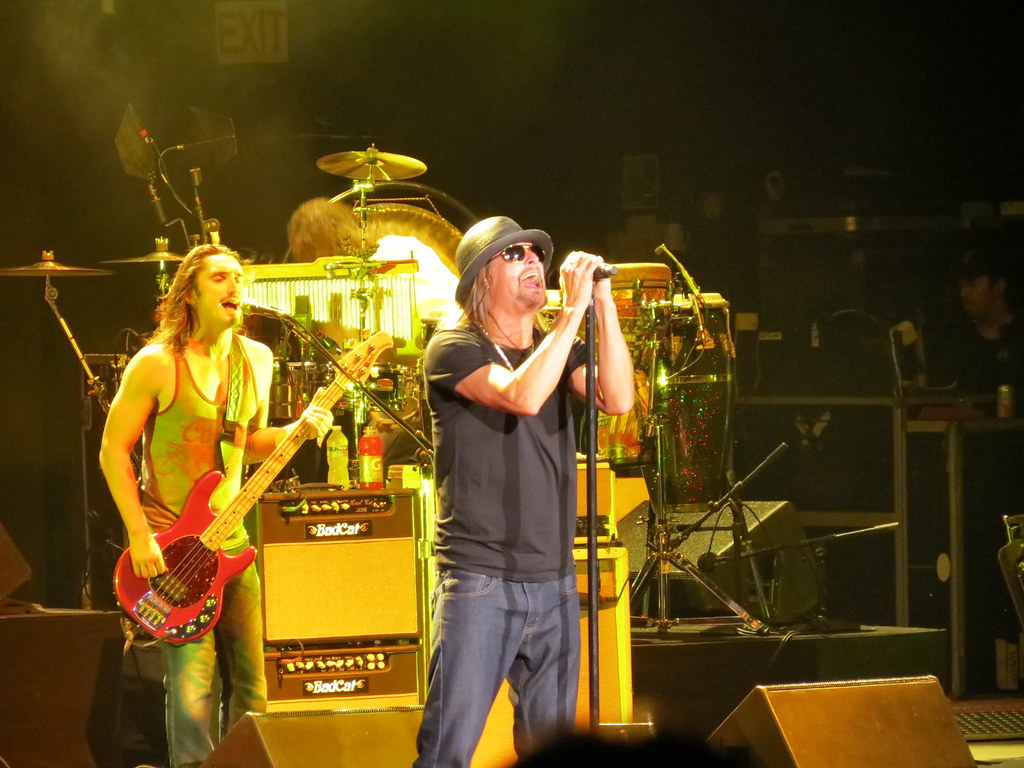
Kid Rock’s Faith-Based Song: The Performance and Chart Success
Kid Rock performed a faith-forward, country-tinged cover that emphasized personal belief, patriotic themes, and a return to mainstream country sensibilities. The performance tied directly to an alternative halftime event branded around faith, family, and freedom and produced measurable sales and streaming spikes.
Creating a Patriotic and Spiritual Alternative
Kid Rock, born Robert James Ritchie, headlined the All-American Halftime Show organized by Turning Point USA as an alternative to the official Super Bowl halftime event. He framed the set around overtly patriotic and spiritual themes to contrast the main-stage production. The staging, wardrobe, and setlist leaned into American iconography and faith-based symbolism intended to appeal to conservative and country-music audiences.
The show paired Kid Rock with other country acts and promoted a message of “faith, family, and freedom,” which organizers emphasized in advance. The choice to present a compact, simultaneous alternative aimed to capture viewers who sought a faith-centered option during Super Bowl night.
Faith-Inspired Lyrics and Gospel Message
Kid Rock performed a faith-based song with gospel-leaning lines that referenced devotion and perseverance. The arrangement drew from country instrumentation — prominent acoustic guitar and restrained electric work — creating a sound closer to mainstream country than his earlier rap-rock catalog. He included a short spoken verse invoking personal faith and gratitude, which listeners interpreted as the centerpiece of the performance.
Lyrics emphasized family values and spiritual resilience rather than political rhetoric. That lyrical focus allowed the song to register as a faith-themed country ballad suitable for radio play and digital purchases, aligning with Kid Rock’s effort to present a more traditional country persona for this event.
Viral Impact and Chart Performance
The performance generated immediate attention online and in sales charts. After the show, the faith-based track climbed Apple’s sales chart, briefly displacing other high-profile entries and reflecting a surge in downloads the night of the event. Social engagement spiked across platforms as clips circulated of the gospel-tinged verse and the pre-taped segments.
Commercial response showed concentrated buying from listeners aligned with the event’s themes, and the track’s chart movement illustrated how a targeted alternative performance can translate into measurable sales. The chart gains also highlighted the crossover potential when a longstanding artist like Kid Rock leans into country and faith motifs.
Turning Point USA and the All-American Halftime Show
Turning Point USA organized a patriotic counterprogram that mixed country and conservative-leaning artists, promoted faith and family, and positioned itself as an alternative to the NFL’s official halftime choice. The event drew national attention because of its lineup, messaging, and timing alongside the Super Bowl.
TPUSA’s Mission and Vision
Turning Point USA presents itself as a conservative organization focused on youth outreach, free-market principles, and traditional values. Founded and led publicly by Charlie Kirk, the group frames events to promote faith, family, and freedom, often targeting college students and young voters.
The All-American Halftime Show echoed that mission. Organizers said the event celebrated religious faith and patriotism and aimed to offer a different cultural option during the Super Bowl window. Erika Kirk and other TPUSA leaders helped promote the show through the group’s channels, emphasizing speakers and performers who align with its worldview.
Event Lineup and Notable Performances
Kid Rock headlined the All-American Halftime Show, joined by country acts such as Brantley Gilbert, Lee Brice, and Gabby Barrett. The set mixed new material and patriotic-leaning songs, and Kid Rock performed a faith-based track that later achieved chart success.
The staging and production aimed for a mainstream country-rock aesthetic rather than the pop spectacle of the Super Bowl stage. TPUSA also included brief remarks and branding between acts, making the event part-concert, part-political rally in tone. The mix of artists drew attention from country radio and conservative media.
Reactions to Bad Bunny’s Super Bowl Halftime
TPUSA launched the alternative event soon after the NFL announced Bad Bunny as the official halftime headliner, a choice that received both praise and criticism. Critics of the NFL pointed to Bad Bunny’s Spanish-language set and genre as reasons for protest; supporters said the selection reflected cultural diversity and mainstream popularity.
Turning Point framed its show as a response, not just a critique, emphasizing an American- and faith-centered program. Media outlets covered the juxtaposition between Bad Bunny’s high-production NFL slot and TPUSA’s grassroots alternative, prompting debates about audience preferences and the role of politics in entertainment.
Cultural Impact and Criticism
The All-American Halftime Show amplified conversations about culture, politics, and the Super Bowl’s place in national discourse. Supporters applauded TPUSA for offering a family- and faith-oriented option and for spotlighting country artists who resonate with conservative audiences.
Critics accused Turning Point USA of politicizing a largely nonpolitical entertainment moment and using the event to bolster partisan identity. Some observers and mainstream outlets questioned the optics of staging a rival show during a major sporting event and debated whether the event widened cultural divides or simply reflected existing audience segmentation.
More from Vinyl and Velvet:

Leave a Reply