

You learn quickly how polarizing a Super Bowl halftime show can be when a well-known sports figure openly dismisses it and chooses something else to do. Michele Tafoya publicly indicated she planned to fold laundry during Bad Bunny’s set, signaling a clear lack of interest and sparking conversation about taste, spectacle, and expectations for the event. If you want a fast take on why Tafoya’s comment mattered and what alternatives viewers picked, this piece gives you the essentials.
Move through Tafoya’s critique, the cultural reactions it produced, and the viewing options people chose instead—everything that shaped the halftime narrative that night. The next sections examine her exact comments, how the public and media responded, and the alternative programming that filled the gap for some viewers.
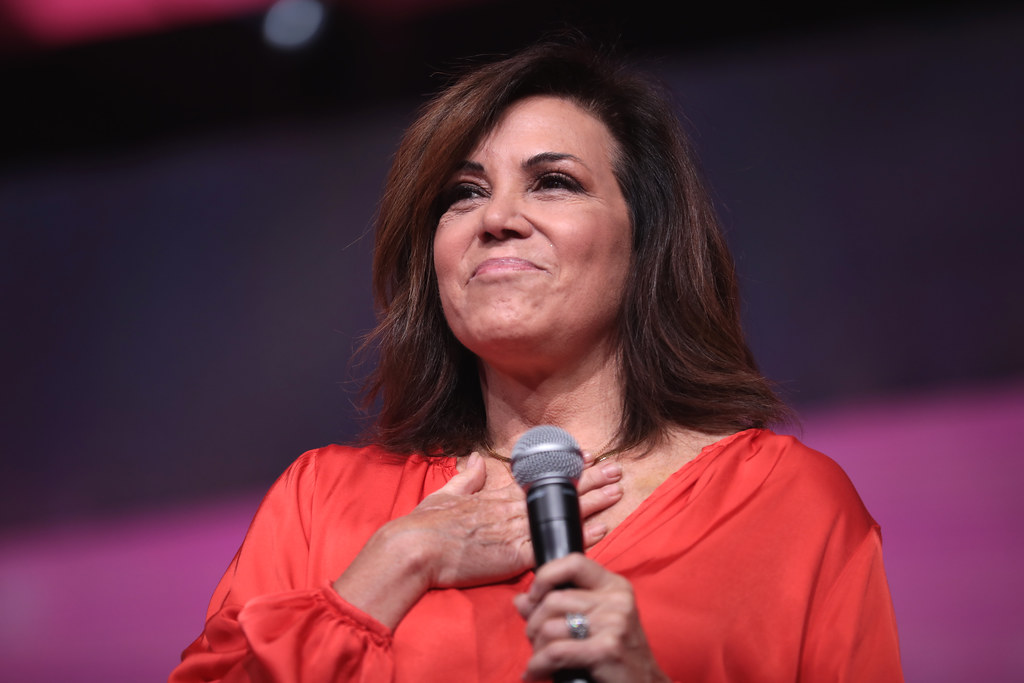
Michele Tafoya’s Critique of Bad Bunny’s Halftime Show
Tafoya publicly made clear she skipped watching the halftime performance and instead did something she hadn’t done during a Super Bowl before. Her comments focused on artistic choices, political context, and how the show compared with prior halftime acts.
Key Reasons for Tafoya’s Disapproval
Tafoya said she was uninterested in Bad Bunny’s set and indicated the performance didn’t align with her viewing priorities. She framed her decision as a personal choice, critiquing the act’s appeal to mainstream football audiences rather than attacking the artist directly.
She pointed to differences in genre and presentation, noting reggaeton’s heavy rhythmic and visual emphasis didn’t match the expectations she has for a halftime spectacle. Tafoya also referenced the broader production—staging, pacing, and crowd engagement—implying the show didn’t wake up viewers the way some past productions did.
Her remarks touched on media positioning too, suggesting the halftime slot now carries cultural signaling beyond pure entertainment. That critique implied the NFL’s selection process, including Jay‑Z’s involvement in curating the show, influenced the type of performance viewers received.
Political and Cultural Tensions
Tafoya’s comments entered a charged conversation because Bad Bunny has publicly criticized ICE and taken political stances, which made his selection controversial for some viewers. She framed part of her disinterest through the lens of how politics and celebrity mix at marquee national events such as Super Bowl LX.
Others pointed out comparisons to previous polarizing performers like Kid Rock or debates involving Donald Trump-era politics. Tafoya didn’t focus on single political actors but acknowledged the halftime choice would trigger reactions across the political spectrum.
Her stance also intersected with conversations about cultural representation—how Latinx acts like Bad Bunny and the incorporation of Spanish-language music fit into a mass‑audience broadcast. That raised questions about whether the NFL prioritized cultural breakthrough or provocation when booking the show.
Comparison With Past Performances
Tafoya contrasted this halftime with earlier shows known for broad crossover appeal and theatrical climaxes. She referenced the pacing issues and a perceived lack of universally recognizable hooks that earlier headliners used to immediately energize viewers.
She implicitly compared production values and collaborator choices, noting that some past halftime acts leaned on multi‑genre partnerships and surprise guest turns—strategies that created instant buzz. Tafoya suggested Bad Bunny’s set, while culturally significant to many, didn’t use those same tactics to capture the mainstream halftime moment.
Her remarks also drew attention to how commentators and sideline personalities—like Sage Steele in other contexts—react to halftime programming, underscoring the role broadcasters play in framing whether a show succeeds for diverse TV audiences.
Alternative Viewing Options and Public Reaction
Broadcast and streaming choices split attention during halftime, with a conservative group airing a rival concert and many outlets dissecting the controversy. Viewers weighed an ideologically driven alternative and mainstream coverage while social posts and celebrity comments amplified the debate.
Turning Point USA’s All-American Halftime Show
Turning Point USA organized the All-American Halftime Show as a planned alternative to the NFL’s Bad Bunny set. The lineup centered on Kid Rock plus country acts, billed to appeal to conservative viewers upset with the NFL’s selection.
The event streamed on Turning Point’s platforms and promoted itself as family-friendly and “pro-America,” directly positioning itself against the main broadcast. It drew supporters who said they wanted an English-language or country-leaning performance, and critics who called it a partisan stunt tied to MAGA politics. Turning Point framed the show as an option for those who preferred a different cultural message during the Super Bowl break.
Media Coverage of the Backlash
Mainstream outlets highlighted the split-audience dynamic and scrutinized both the NFL and Turning Point’s motives. Reporting tracked viewership patterns, public statements from league officials like Roger Goodell, and how the alternative show sought to capitalize on conservative sentiment.
Coverage ranged from straight news accounts of the competing streams to analysis pieces that explored cultural and political implications. Some outlets emphasized the marketing and organizational aspects of Turning Point USA’s event, while others focused on backlash against Bad Bunny and how that shaped discourse about representation and entertainment choices at major national events.
Fan and Celebrity Responses
Fans reacted across social platforms with memes, split-viewing plans, and heated arguments about language, culture, and politics. Some viewers switched between broadcasts in real time; others streamed the Turning Point show exclusively as a protest against Bad Bunny’s halftime performance.
Celebrities weighed in on both sides: a mix of entertainers defended Bad Bunny’s selection as artistic and inclusive, while conservative figures and a handful of country artists publicly supported the All-American presentation. The public response underscored how a single halftime slot can become a focal point for broader cultural disagreement.
More from Vinyl and Velvet:

Leave a Reply