

You’ll want to know why Michael Irvin says Bad Bunny’s Super Bowl halftime fell short of past legends, and what that critique means for the show’s place in halftime history. Irvin argues that the performance lacked the wide-appeal spectacle and familiar crowd-pleasing moments that defined earlier halftime icons, making it feel more niche than universally memorable.
Explore how Irvin’s perspective compares to others who praised the show’s cultural significance and production choices. Expect a look at the divide between sports-figure reaction, fan response, and broader cultural and political conversation surrounding the performance.
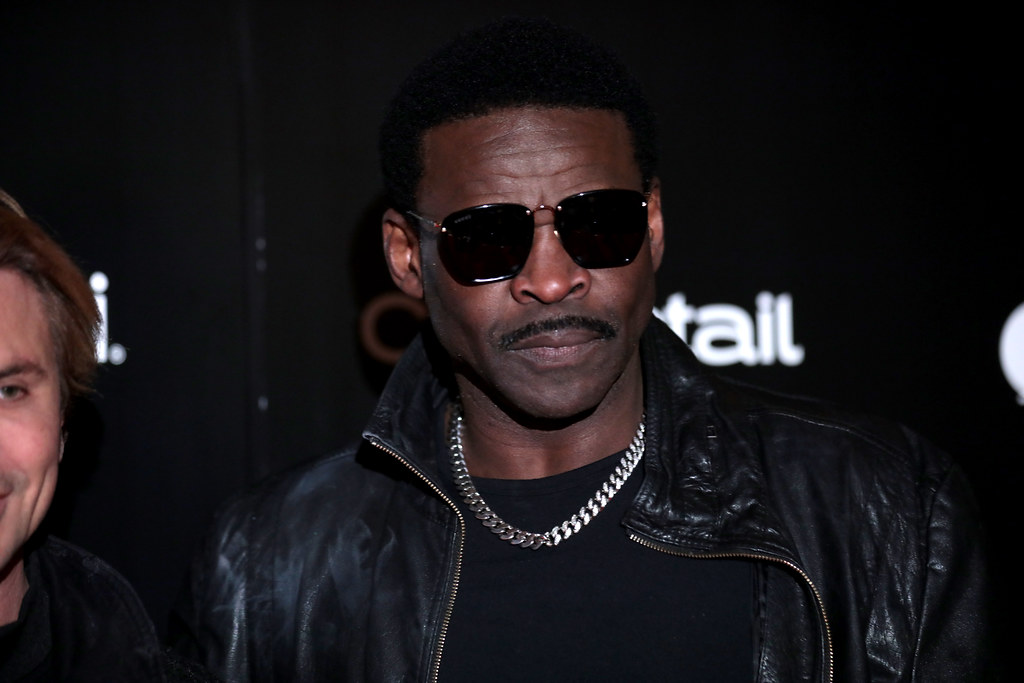
Michael Irvin’s Take: Bad Bunny’s Halftime Show Compared to Past Super Bowl Legends
Michael Irvin criticized Bad Bunny’s Super Bowl 60 halftime performance for lacking the universal, cross-generational impact he associates with past halftime legends. He stressed language and cultural context as barriers for some viewers while acknowledging the show’s production values and Puerto Rican themes.
Michael Irvin’s Criticism and Its Immediate Impact
Irvin told Cam’ron he couldn’t compare Bad Bunny’s set to icons like Michael Jackson or Prince because much of the performance was in Spanish and he felt disconnected from the lyrics. He framed the issue as a comprehension gap that, to him, reduced emotional resonance on live television.
The remark sparked immediate debate on social feeds. Some viewers agreed, citing familiarity and sing-along potential as keys to halftime legacy. Others pushed back, arguing that cultural representation and bilingual programming expand the NFL’s audience rather than diminish the show’s value.
Media outlets and fans parsed Irvin’s comments alongside broader reactions to the NFL’s choice to headline Bad Bunny for Super Bowl 60. Discussion focused on whether halftime success should be measured by mass English-language recognition or by cultural milestone and staging ambition.
Comparisons with Shakira, Jennifer Lopez, Lady Gaga, and Other Halftime Icons
Irvin implicitly compared Bad Bunny to performers whose Super Bowl moments were built on broad mainstream recognition. Shakira and Jennifer Lopez’s Super Bowl LIV set relied on familiar pop hooks, high-profile guest appearances, and choreography aimed at cross-demographic sing-alongs.
Lady Gaga’s halftime (Super Bowl 50) leaned into theatrical spectacle and clear, anthemic songs that translated instantly to viewers who hadn’t followed her catalog. Those shows emphasized immediate crowd recognition and viral moments, benchmarks Irvin used to argue Bad Bunny didn’t hit the same universal notes.
Critics countered that Bad Bunny’s show marked a different milestone—elevating Spanish-language music to the NFL’s biggest stage. Supporters pointed to Roc Nation and the league’s intentional booking choices to highlight diversity, and to Bad Bunny’s own catalog and massive streaming footprint as modern measures of halftime significance.
Performance Elements: Music, Dance, and Staging on the NFL’s Biggest Night
Bad Bunny’s Super Bowl 60 set leaned heavily on Puerto Rican imagery, reggaetón rhythms, and rapid-fire staging that prioritized cultural specificity. The production used choreography, lighting, and guest appearances to build momentum across a roughly 13-minute runtime.
Irvin focused on lyrical comprehension and “universal” moments; others highlighted how the choreography and visual storytelling created immediate emotional hooks even for non-Spanish speakers. Technical elements—camera work, stage geometry, and pacing—mirrored contemporary halftime approaches that differ from the slower, theatrical builds of earlier shows.
Roc Nation’s ongoing role in halftime bookings and Jay-Z’s influence on production choices shaped the show’s direction. The NFL defended the selection as both a ratings and cultural play, emphasizing that modern halftime success can rest on global streaming impact as much as on instant, live sing-along familiarity.
Cultural, Political, and Fan Reactions to Bad Bunny’s Halftime Show
Reactions split along political lines, cultural pride, and entertainment critique. Many praised the Puerto Rican-centered staging and guest lineup while others focused on immigration and national symbolism.
The Political Backlash: Donald Trump, ICE, and Immigration Policy
Donald Trump and some conservative commentators criticized the choice of Bad Bunny, arguing the performance emphasized politics over entertainment. Trump’s remarks amplified a preexisting controversy tied to the artist’s outspoken comments on immigration enforcement and his critiques of ICE operations in U.S. cities.
Advocates countered that Bad Bunny’s references to the Americas and his “God bless America” line broadened meaning rather than oppose the U.S. Critics outside the mainstream framed their response as a defense of “traditional” Super Bowl messaging, with groups like Turning Point USA organizing counter-programming featuring Kid Rock and other performers. The debate touched on policy topics—immigration enforcement and treatment of Puerto Rican communities after Hurricane Maria—bringing national policy issues into the pop-culture moment.
Celebrating Puerto Rican Identity and Representation at the Super Bowl
Bad Bunny foregrounded Puerto Rican culture through song selection, visual motifs, and explicit nods to Bayamón and Vega Baja roots. He performed in Spanish, making history as the first halftime headliner to do so for most of the set, and name-checked Puerto Rico’s music traditions like reggaeton, salsa, and bomba in both sound and staging.
Fans and Puerto Rican leaders saw the lineup and imagery as affirmation of representation after long marginalization in mainstream U.S. televised moments. Prominent figures who worked with or promoted Latin music—managers such as Desiree Perez and industry voices tied to the Grammys—pointed to the performance as evidence of the genre’s global reach. The appearance reassured many that Puerto Rico’s cultural resilience, including references to power outages like El Apagón, remained visible on a global stage.
Controversy, Media Buzz, and Social Media Trends
Social platforms lit up immediately: clips of Benito Antonio Martínez Ocasio’s surprise moments trended, while hashtags celebrated Latinx pride and criticized perceived political messaging. Clips of the onstage “casita,” country flags from across the Americas, and the closing phrase “the only thing more powerful than hate is love” drove viral conversation.
Mainstream outlets traced the controversy from early criticism to post-show analysis, debating whether the NFL and commissioner Roger Goodell miscalculated or wisely leaned into diversity. Pundits referenced past halftime controversies and compared public reaction to moments involving other artists and political statements. Media attention also followed celebrity shout-outs and late-breaking takes from commentators on cable news, creating a sustained news cycle beyond game day.
Celebrity Cameos, Guest Appearances, and Touches of Latin Heritage
The set included high-profile cameos that amplified the cultural message: Ricky Martin and Lady Gaga joined onstage, while stars such as Karol G, Cardi B, Jessica Alba, and Pedro Pascal appeared in segments or audience shots. Celebrity involvement underscored both mainstream celebrity support and Latinx solidarity.
Musical choices blended reggaeton hits with salsa-inflected arrangements and nods to traditional rhythms. Guest turns—plus moments like an onstage wedding and visual callbacks to Bad Bunny’s discography including “Debí Tirar Más Fotos”—reinforced a narrative of cultural celebration. Industry figures and collaborators, from managers to producers, appeared in the wings and public reaction highlighted how those alliances helped shape the show’s identity and reach.
More from Vinyl and Velvet:

Leave a Reply