

You saw the Super Bowl sparks more than game talk when a public figure’s post about demographic change set off a storm. If you want a clear sense of why Laura Loomer’s comments touched off intense criticism and what it means for public debate, this piece gives that answer fast.
The article breaks down what Loomer said after the halftime show, why the remarks drew accusations of xenophobia, and how political allies and opponents responded across social platforms and news outlets. Keep going to see the exact lines that sparked the backlash and the broader conversation they reignited.
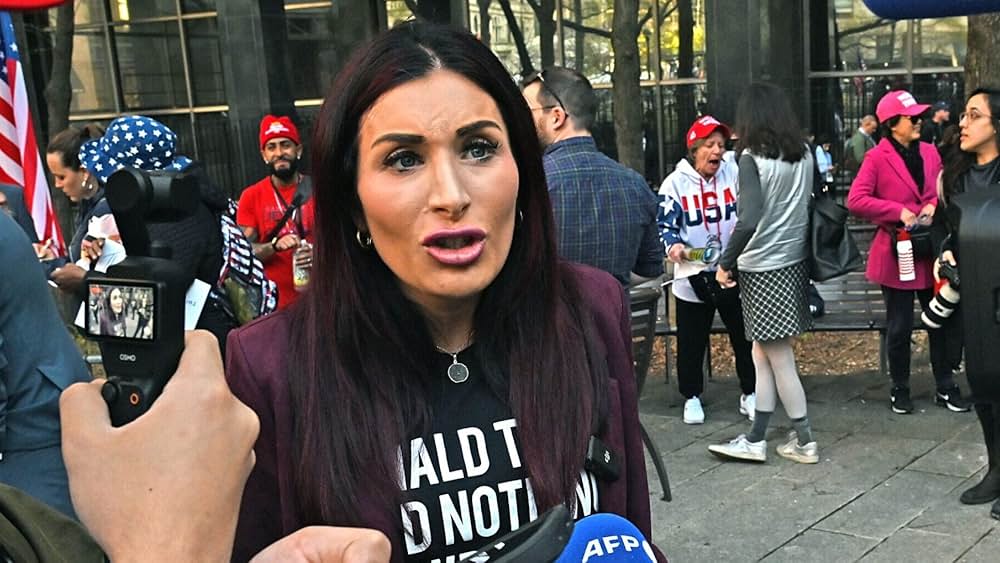
Laura Loomer’s Post-Super Bowl Comments
Laura Loomer publicly criticized elements of the Super Bowl halftime show and tied those criticisms to broader remarks about demographic change in the United States. Her comments sparked widespread reaction across social platforms and traditional media.
Criticisms of the Super Bowl Halftime Show
Loomer focused on visuals and cultural symbols used during the halftime performance, arguing they did not reflect what she called “traditional” American imagery. She singled out the display of Puerto Rican flags and Latin cultural motifs as examples, saying the NFL should apologize for what she described as an emphasis on foreign symbols.
Those remarks echoed other conservative reactions that framed the performance as a political statement rather than entertainment. Media outlets noted that critics like Loomer interpreted cultural representation as exclusionary toward other viewers, while supporters saw it as celebration of an artist’s heritage and audience.
Comments on Demographic Change in America
Loomer extended her critique to demographic trends, asserting that recent public events demonstrate a shift in cultural influence and national identity. She used the halftime show as a cue to argue that mainstream institutions are catering to nonwhite communities, and she warned about changes she considers problematic for the country’s future cultural makeup.
Her language drew accusations of xenophobia and racism from opponents, who said her framing mischaracterized efforts to increase cultural visibility. Some commentators pointed out that referencing demographic change in alarmist terms is a common tactic in modern political rhetoric, often aimed at mobilizing a specific voter base.
Social Media Reactions to Loomer’s Statements
Responses on X (formerly Twitter), Facebook, and other platforms ranged from support to sharp criticism. Some conservative figures and accounts amplified her demand for an apology from the NFL, while many users ridiculed her interpretation of the halftime show’s intent and message.
Several outlets and commentators labeled Loomer’s comments as missing the artistic point of the performance and noted backlash from public figures who distanced themselves from extreme language. Coverage of the online reaction highlighted both the viral spread of her posts and the organized rebuttals that followed.
Reactions and Ongoing Debate
The comments sparked sharp criticism from a range of public figures and altered some conversations about the NFL’s cultural direction. Responses varied by political alignment, while the league faced renewed scrutiny over fan inclusivity and brand image.
Political Figures and Celebrity Responses
Several conservative voices backed Loomer’s stance, echoing concerns about national symbols and cultural representation. Former President Trump criticized the halftime content as un-American, calling the show “one of the worst” and saying it didn’t represent American values.
Loomer’s remarks drew swift condemnation from Democrats and many entertainers who praised the halftime performance as inclusive. Celebrities like Kerry Washington and Kacey Musgraves publicly celebrated the show’s message and cultural celebration, framing it as pro‑America rather than anti‑American.
Media commentators also weighed in, with some calling Loomer’s language divisive and others defending free speech. Coverage highlighted how the exchange widened partisan media cycles and fueled social‑media backlash that included both organized criticism and mocking responses.
Impact on NFL’s Image and Fan Base
The halftime controversy intensified debate over the NFL’s programming choices and audience priorities. Critics argued the league risked alienating traditionalist viewers by foregrounding multicultural themes; supporters said the performance reflected the sport’s diverse fanbase and U.S. territorial ties, noting Bad Bunny’s Puerto Rican heritage.
Polling and social chatter showed short‑term spikes in negative sentiment among some conservative fans, while merchandise sales and streaming numbers for the halftime clip suggested broader public engagement.
The NFL publicly maintained its artistic selection prerogative, but the episode prompted internal discussions about balancing entertainment, political perceptions, and inclusive representation going forward.
Links: Bad Bunny halftime coverage (The Hill) — https://thehill.com/blogs/in-the-know/5729389-laura-loomer-nfl-apology-bad-bunny/
More from Vinyl and Velvet:

Leave a Reply