

You saw the pre-game switch: NBC cut into Super Bowl coverage to air a segment featuring President Trump, and social feeds erupted with criticism. If you want a quick take, the move sparked immediate backlash because many viewers expected sports-focused coverage, not a political interview during a major entertainment broadcast.
They’ll explore how the segment fit into NBC’s Super Bowl plans, why the timing angered people, and what this says about mixing politics and big-game programming. Expect a breakdown of viewer reactions, industry context, and the broader cultural tensions that made this moment so contentious.
NBC’s Super Bowl Coverage and the Trump Segment
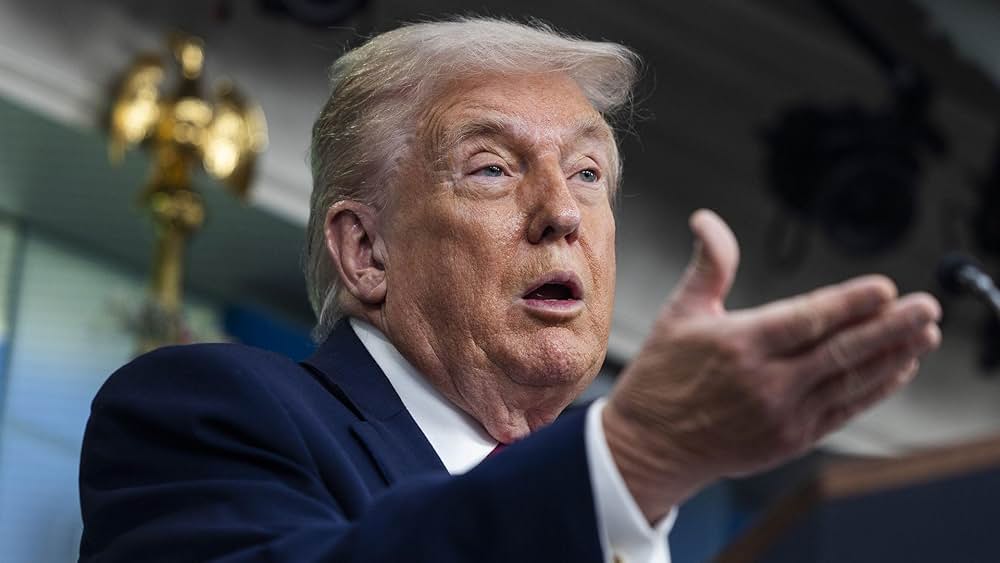
NBC scheduled extended pregame programming that mixed sports reporting and a high-profile political interview. The network aired a sit-down with former President Donald Trump during its Super Bowl LX coverage, drawing immediate attention and visible audience reaction.
Viewer Reactions to the Network’s Programming Decision
Many viewers criticized NBC for inserting a political interview into the Super Bowl pregame window, saying it disrupted sports-focused coverage. Social posts and comment threads called out the timing, arguing fans tuned in for NFL build-up—particularly coverage of Super Bowl LX’s matchup between the Seattle Seahawks and the New England Patriots—not a national political sit-down.
Critics singled out the placement of the Trump segment during peak pregame minutes on NBC and its streaming outlet NBC News NOW, saying it displaced sports analysts and live event features. Others defended NBC, noting that presidential interviews have drawn large audiences before and that Tom Llamas and NBC Nightly News framed the piece as a discrete news feature. Viewer complaints clustered around perceived editorial mixing of entertainment and politics.
The History of Presidential Interviews During the Super Bowl
A televised presidential interview during Super Bowl pregame programming is not unprecedented. Networks have periodically carried presidential or candidate interviews in pregame slots to reach broader audiences; NBC has hosted similar segments led by anchors like Tom Llamas in prior years.
Those past instances established a pattern: networks justify placement by citing high pregame viewership and the chance to reach nontraditional news audiences. Still, the practice carries risk because the Super Bowl functions as a sports and cultural event, and inserting political content can spark backlash. This tension between journalistic reach and audience expectations has shaped how networks schedule and promote such interviews.
Details of the Trump Interview and Timing of the Broadcast
NBC recorded a sit-down between Tom Llamas and Donald Trump intended to run in segments, with a portion aired during the Super Bowl LX pregame show. The interview covered topics from the economy and immigration to crime and the president’s Super Bowl plans, and NBC published a full transcript concurrently on its news site.
Airings occurred across NBC’s linear broadcast and NBC News NOW streaming feeds; a notable segment interrupted live pregame programming, which heightened viewer complaints. NBC promoted that the interview would appear during pregame hours, but the exact timing and how it would cut into scheduled analysis or features became the core of real-time audience frustration.
Cultural and Political Controversies Surrounding the Super Bowl
The Super Bowl kept politics in plain view through contentious halftime choices, debates over immigration enforcement, and rival events staged by conservative groups that turned the game into a broader cultural battleground.
Bad Bunny, the Halftime Show, and Political Tensions
Bad Bunny’s selection as the halftime headliner sparked strong reactions across the political spectrum. Supporters praised the Puerto Rican artist for bringing reggaeton and Latinx visibility to the NFL’s biggest stage, while critics framed the choice as another flashpoint in culture-war debates about representation and content at mass events.
NFL leadership, including commissioner Roger Goodell, defended the choice amid backlash. Commentators tied the controversy to broader disputes over who the league should showcase and how halftime messaging can be interpreted as political. The episode also drew responses from public figures and amplified partisan chatter on social platforms.
Trump Administration Policies and Immigration Enforcement
Debate over immigration enforcement surfaced during Super Bowl coverage when critics connected national conversations to the event. Actions by Immigration and Customs Enforcement (ICE) and policy priorities set by the Department of Homeland Security under the Trump administration remained touchpoints for activists and commentators discussing civic responsibility and the optics of a national broadcast.
State officials and lawmakers weighed in publicly, with some using the game’s attention to call for policy changes or to criticize federal enforcement priorities. The juxtaposition of celebrity spectacle with ongoing enforcement actions created friction between viewers who wanted escapism and groups demanding accountability.
Alternative Events Like Turning Point USA’s All-American Halftime Show
Conservative organizers staged alternative programming to challenge the NFL’s halftime choices. Turning Point USA produced an “All-American Halftime Show” featuring personalities such as Alex Pretti and endorsements from public figures like Kristi Noem, aiming to offer a politically conservative counterprogram.
These events targeted viewers dissatisfied with the main broadcast and leveraged media attention to amplify their message. Performers aligned with the alternative show—including past examples like Kid Rock at other events—served as draws, while organizers emphasized patriotism and critique of perceived NFL bias, turning halftime into a platform for political signaling.
More from Vinyl and Velvet:

Leave a Reply