

You saw the clips and the posts — social feeds filled with praise, criticism, surprise cameos, and flags. Bad Bunny’s Super Bowl LX halftime set sparked a flood of reactions that split opinion across platforms while also becoming one of the most-watched and talked-about moments of the night.
Scroll through any timeline and you’ll find supportive celebs celebrating the cultural statement, critics pushing back, and fans debating the performance’s symbolism and song choices. This article breaks down why the moment ignited so much conversation, what people said, and what the performance might mean beyond the stage.
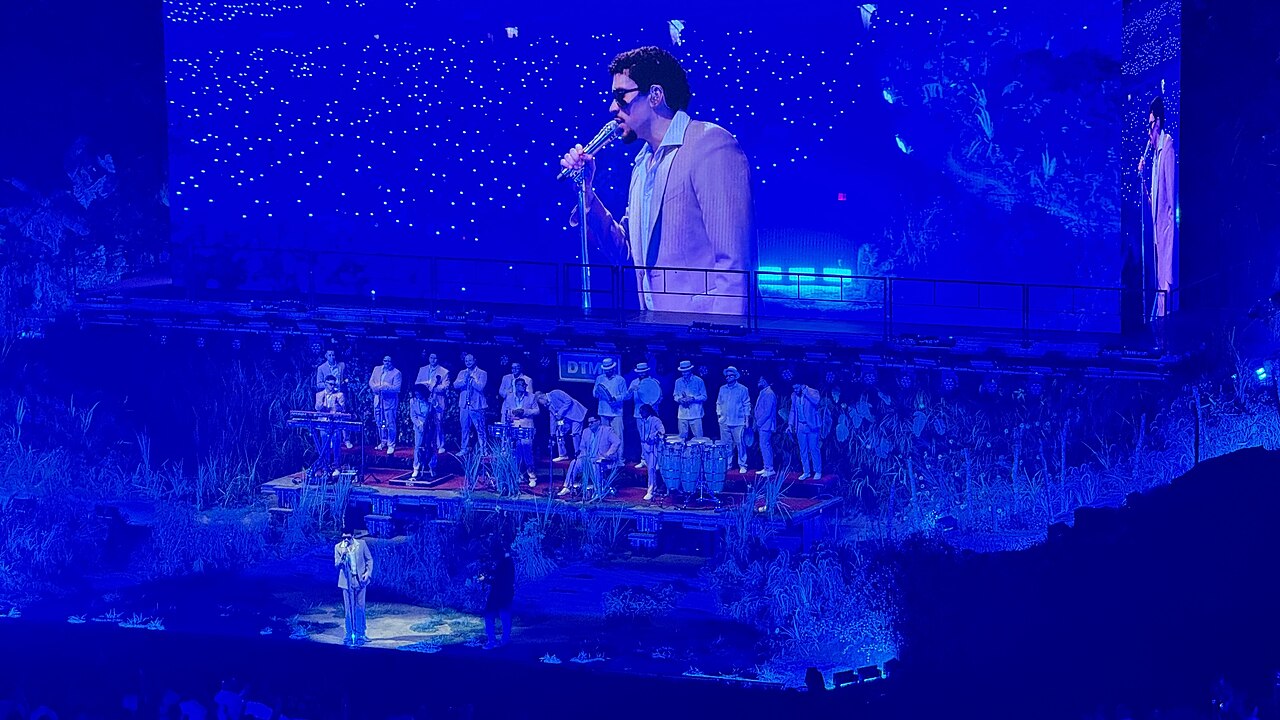
Social Media Erupts Over Bad Bunny’s Super Bowl LX Halftime Show
You saw massive engagement across platforms after the performance — clips, memes, takes praising the cultural nods and others debating the artist choice. Threads tracked everything from guest appearances to staging at Levi’s Stadium in Santa Clara.
Positive Fan Responses and Viral Moments
Fans pushed dozens of clips viral within minutes, highlighting Bad Bunny’s setlist and choreography during the Apple Music halftime show. Short-form video platforms were full of moments: the opening sequence, the crowd shots at Levi’s Stadium, and the callouts to Latino heritage that many users reshared.
You likely noticed specific timestamps trending — crowds chanting, a costume change, and the Ricky Martin cameo — which helped several songs climb streaming playlists after the show. Apple Music reported spikes in real-time listening for those tracks, and playlists titled “Benito Bowl” and similar tags popped up.
Fan edits mixed footage with text celebrating inclusivity and bilingual lyrics. Comments from people who attended live in Santa Clara appeared alongside global reactions, amplifying local details like stadium staging and crowd energy.
Celebrity Endorsements and Reactions
Several celebrities amplified the moment, sharing praise and short clips that reached millions of followers. High-profile mentions came from musicians who joined or complimented the show, such as Lady Gaga and Ricky Martin for their guest appearances, and pop stars like Cardi B and Karol G posting enthusiastic reactions.
Actors and athletes also weighed in. You saw posts from Pedro Pascal and Tracee Ellis Ross celebrating the performance, while NBA players and NFL personalities including Donovan Mitchell, Jalen Brunson, Cam Jordan, and Budda Baker posted video takes or congratulatory messages.
Influencers and creators — including Logan Paul, Jake Paul, and media commentators at ESPN and other outlets — paired commentary with clips, fueling more discussion and driving search interest around the halftime set.
Polarizing Opinions and Criticisms
Not all posts were praise. Critics focused on the halftime headliner choice, musical style, and the show’s pacing, with some commentary pointing to differences between mainstream expectations and Bad Bunny’s Latin-trap approach. Threads debated whether the performance fit the Super Bowl audience and whether guest spots shifted focus.
Some reactions framed the show as politically or culturally charged; those posts trended alongside counterthreads defending the cultural celebration. You saw polarized takes from sports fans, casual viewers, and music critics, including hot takes circulating on platforms tracked by outlets like ESPN and USA Today.
Amid criticism, fact-based posts addressed set length, guest appearances, and Apple Music’s playback data to counter exaggerated claims. That balance helped some viewers parse hype from measurable impacts, such as streaming spikes and real-time listening increases.
Cultural Impact and Meaning of Bad Bunny’s Performance
Bad Bunny’s Super Bowl LX halftime set pushed language, identity, and political symbols into millions of living rooms. It foregrounded Puerto Rican pride, mainstreamed reggaeton on the biggest U.S. broadcast stage, and sparked sharp debate about representation and national identity.
Celebration of Puerto Rican and Latin American Heritage
You saw Puerto Rican flags, references to island politics, and musical forms rooted in Afro‑Caribbean traditions across the stage design and song choices. Those visuals connected directly to Puerto Rico’s recent protests, Hurricane Maria recovery, and ongoing debates about colonial status that many Puerto Ricans and island‑based activists have emphasized.
The performance put Puerto Rican cultural markers alongside global pop spectacle, reminding viewers that Puerto Ricans are Americans with a distinct history. For many fans the appearance functioned as a public affirmation of Boricua pride on a platform that reaches both Spanish‑ and English‑dominant audiences.
Bad Bunny’s use of bomba rhythms, reggaeton beats, and Spanish lyrics also prompted renewed interest in the island’s music scenes and in Latin American identity more broadly. That cultural spotlight extended beyond the game: streaming spikes, increased searches for Puerto Rican artists, and social posts celebrating heritage followed immediately.
Reggaeton, Spanish Lyrics, and Reactions to Representation
You likely noticed that most of the set was in Spanish and led with reggaeton and trap influences rather than an English‑language pop palette. That choice matters: it challenged expectations for mainstream halftime programming and validated Spanish‑language artistry at a mass scale.
Fans who speak Spanish felt represented; non‑Spanish speakers reported curiosity and used apps or playlists to learn lyrics. Critics questioned accessibility, but the broader effect pushed reggaeton from niche festival stages to the cultural center of the Super Bowl halftime show, signaling industry recognition—similar in scale to a Grammy Award winner reaching new audiences.
The performance also amplified conversations about Latinx representation in U.S. media. You saw threads praising authenticity, posts comparing the set to past multicultural moments like Jennifer Lopez’s crossover work, and journalism pieces analyzing what Spanish‑dominant headliners mean for future bookings.
Controversy Over American Identity and Performer Selection
You encountered vocal pushback from political figures and some viewers who framed the halftime lineup as unpatriotic or inappropriate for a U.S. national broadcast. Those critiques often centered on language and perceived cultural difference rather than performer merit.
Debates referenced American identity: opponents argued the halftime should reflect a particular vision of national culture, while supporters pointed out that Puerto Ricans are U.S. citizens and that mainstreaming Spanish‑language artists reflects demographic reality. The dispute echoed earlier controversies when artists like Ice‑T or Jennifer Lopez drew political criticism for blending activism with performance.
The controversy also touched business and optics: advertisers, NFL leadership, and media outlets weighed viewer metrics against cultural impact. You saw opinion pieces and think pieces in journalism outlets quickly dissecting whether programming choices were artistic statements, market moves, or both.
More from Vinyl and Velvet:

Leave a Reply