

You woke up to a blank Instagram grid where Bad Bunny’s feed used to be, and that sudden erasure feels like more than a social-media stunt. The timing — hours after his Super Bowl halftime set — makes the move feel deliberate, charged, and possibly the opening act of a new creative chapter.
This moment could mark the start of a defined career era because it pairs a bold public performance with an equally bold digital reset, forcing a conversation about identity, audience, and what he wants to say next. Expect this post to shape discussions about the halftime show, the fan theories that followed, and the political backlash that surfaced immediately after.
You’ll follow what happened, why it matters, and how this split-second decision might steer his public image — from the mechanics of the Instagram wipe to the cultural fallout and celebrity reactions that turned one night into a turning point.
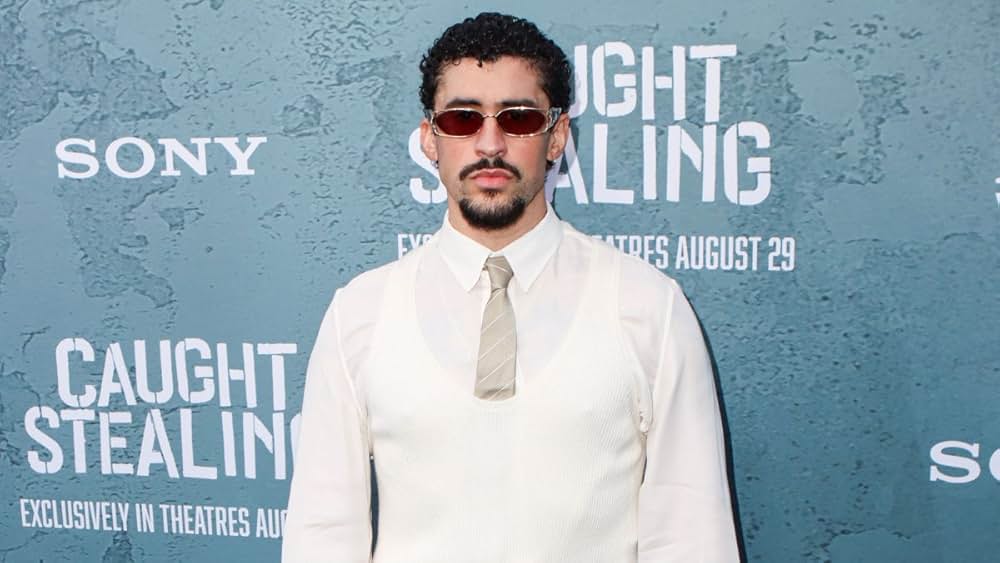
Bad Bunny’s Instagram Wipe: What Happened and When
Bad Bunny removed every post and his profile picture, left a single album link in his bio, and unfollowed everyone shortly after the Super Bowl LX halftime show. The action landed fast and sparked widespread conversation across social platforms.
Timing of the Deletion
You likely saw the feed go blank within hours of his Feb. 8 Super Bowl LX performance at Levi’s Stadium. Reports show Benito Antonio Martínez Ocasio archived or deleted all uploads and removed his profile photo that same night, leaving only a link to his 2025 album in the bio.
That timing matters: the wipe occurred in the immediate aftermath of a high-profile, globally watched set, not days later. The close proximity to the event made the action feel intentional and newsworthy rather than routine maintenance.
Immediate Fan Reactions
Fans responded quickly — divided between excitement and confusion. Some celebrated the move as a classic artist reset, speculating about new music or a creative pivot. Others viewed it as a reaction to online backlash after parts of the halftime show provoked criticism.
You saw trending hashtags, screenshots, and threads debating whether the account was archived versus fully deleted. Engagement spiked across Twitter and Instagram commentary, with fan accounts and entertainment outlets amplifying every update about his followers and bio.
Connection to Super Bowl LX Performance
The wipe followed an all‑Spanish halftime show that highlighted Puerto Rican culture and featured big-name guests. You can connect the timing of the social-media reset to the performance’s cultural statement and the intense media attention it generated.
Whether Bad Bunny intended the deletion as a promotional tease, a personal boundary, or a response to mixed reactions, the move read as an extension of the era he showcased onstage. For context on the live set and its guests, see coverage of the Apple Music Super Bowl halftime show.
Spotlight on the Super Bowl Halftime Show
Bad Bunny opened with high energy, leaned into Puerto Rican visuals, brought out major guests, and closed with songs from his Grammy-winning album. The staging at Levi’s Stadium mixed intimate cultural details with stadium-scale production to keep attention on performance and heritage.
Setlist and On-Stage Highlights
You saw him start with “Tití Me Preguntó” amid a backdrop of sugarcane imagery, immediately grounding the set in Puerto Rican roots and his recent work from Debí Tirar Más Fotos. He moved through a medley that balanced crowd-pleasing hits and deeper cuts, pacing the show so each transition—dance break, acoustic moment, and sing-along—felt deliberate.
The choreography highlighted older and younger generations: domino players, people resting at parties, and street scenes translated into stadium visuals. Lighting and camera work kept focus tight on Bad Bunny while still showcasing Levi’s Stadium’s scale. Those choices made the setlist read like both a pop spectacle and a cultural statement.
Star-Studded Collaborations
You watched surprise appearances amplify the show’s reach: Cardi B and Karol G brought reggaeton and mainstream Latin star power in high-energy segments. Ricky Martin joined for a soulful turn on “LO QUE LE PASÓ A HAWAii,” adding cross-generational resonance and a link to Latin pop history.
Lady Gaga appeared for a Latin-fusion rendition of “Die With a Smile,” merging her vocal persona with his aesthetic. Pedro Pascal, Jessica Alba and other celebrities populated the field, turning cameo moments into viral visual highlights. Each collaborator served a clear role: musical weight, cultural bridge, or star-sighting that broadened conversation beyond the halftime performance.
Symbolic Gestures and Cultural Moments
You noticed small, specific details that read as intentional symbol-making. Costuming—Bad Bunny in white—paired with tableaus of everyday Puerto Rican life signaled pride rather than spectacle. Visuals of village homes, piragua vendors, and domino players gave cultural texture usually absent from a Super Bowl halftime show.
Deleting his Instagram after the set feels tied to these gestures: the performance emphasized presence and community more than feed-driven promotion. Placing Debí Tirar Más Fotos in his bio while wiping images suggested a reset linked to the era he just presented. Those moves made the halftime slot feel like a cultural statement as much as a pop performance.
Reactions to All-Spanish Performance
You likely saw polarized takes after the show. Critics and fans praised the decision to perform primarily in Spanish as an assertion of identity on a global stage. Outlets highlighted how an all-Spanish set challenged expectations for mass-audience TV events and still delivered commercial-sized spectacle.
Some viewers debated accessibility, but mainstream coverage noted the set’s emotional clarity—rhythm, visual storytelling, and guest cameos—kept engagement high. The choice reframed what a Super Bowl halftime setlist can be, and it positioned Bad Bunny’s era around cultural authenticity as much as chart dominance.
Fan Theories and Celebrity Buzz After the Performance
Fans seized on two clear threads: the Instagram purge reads either as a calculated reset for a new artistic era or as a reaction to the backlash after his all-Spanish Super Bowl set. Celebrities amplified both reads, turning social chatter into headlines that feed the narrative around his next move.
Speculation About a Major Career Shift
You’ll see many fans treat the wipe as a classic “start new era” signal. Some point to Bad Bunny’s past pattern of clearing social media before major releases and argue this could precede a new album, tour, or visual project. That interpretation ties directly to his recent Grammy win and the momentum from the halftime spotlight.
Other fans read the timing as damage control after polarized reactions. Critics on social platforms and high-profile comments from public figures intensified the debate, so you can understand why people suspect a strategic pivot. Either way, the move shifts attention from a single performance to what comes next.
Comparisons to Other Artists’ Social Media Moves
You’ll notice this isn’t new; artists often delete posts to mark a creative reset. Beyoncé, Rihanna, and The Weeknd all used similar tactics to signal era changes. Those examples help fans build a template: empty grid, then a splashy return with new visuals and a marketing push.
That pattern makes the comparison useful but not definitive. Bad Bunny’s Hispanic identity and the Spanish-language halftime show add cultural context that differs from those analogies. You should weigh the stylistic and audience differences when you compare his action to other celebrity wipes.
Media and Celebrity Commentary
Media outlets quickly framed the deletion as either a tease or a response to criticism, which pushed the story into mainstream news cycles. You can read coverage that highlights both fan excitement and backlash from conservative corners, pointing to how polarized reactions amplified the moment.
Celebrities chimed in too, with some praising the performance and others criticizing it. The public sparring—combined with viral posts that mix admiration and attack—feeds the idea that “only thing more powerful than hate is love” in shaping an artist’s narrative. That dynamic keeps your attention on both the controversy and the possibility of a calculated reboot.
The Backlash, Culture Wars, and Political Fallout
You saw immediate polarization after the halftime show: political leaders and media personalities attacked both the performance and Bad Bunny’s politics, while supporters defended his artistic and cultural statements.
Donald Trump’s Truth Social Critique
Donald Trump posted critical messages on Truth Social questioning the halftime choice and framing it as unpatriotic. He echoed language used by allies, calling the selection “ridiculous” and suggesting it reflected a broader problem in mainstream institutions.
Trump’s comments amplified partisan coverage and drove conservative media to spotlight perceived slights in the performance.
That amplification helped consolidate calls from MAGA-aligned groups for alternatives and intensified pressure on advertisers and the NFL.
Cultural Debate About the Show’s Message
You noticed the cultural debate split along language and identity lines: critics objected to a predominantly Spanish-language set and viewed overt political gestures as exclusionary.
Supporters saw the same moments as representation, inclusion, and a deliberate expansion of mainstream pop culture.
Writers and pundits linked the pushback to long-running American culture wars, arguing that the reaction reflected anxieties about shifting demographics and who “belongs” on national stages like the Super Bowl halftime show.
Several opinion pieces framed the selection as proof that pop culture has globalized, while others presented it as a provocation.
Immigration and Customs Enforcement Discourse
High-profile comments suggested ICE presence at the event, though NFL security officials denied planned immigration enforcement operations.
You read claims from Trump allies and some administration figures asserting ICE would patrol the game; those statements fueled fear among immigrant communities and debate over federal priorities.
In response, NFL security and independent reporting clarified there were no scheduled ICE operations tied to the halftime show, reducing the immediate likelihood of targeted enforcement during the event.
Still, the conversation foregrounded immigration policy as inseparable from cultural moments when the performer explicitly criticized enforcement practices.
Public Response to the Controversy
Fans pushed back on social platforms in defense of Bad Bunny, posting clips, translations, and personal stories about what the performance meant to them.
Opponents launched petitions and coordinated boycotts, and some promoted an alternate “All-American” event as a counterprogram.
You could track the split in polling and social media metrics: younger and Latino audiences skewed strongly pro-performance, while conservative audiences registered disproportionate disapproval.
That polarization translated into sustained headlines and a persistent narrative that this halftime show era would be a political as well as cultural flashpoint.
More from Vinyl and Velvet:

Leave a Reply