

You’re watching a high-profile investigation unfold with few public facts, and that gap pulls your attention in. When authorities release only fragments — a tightened timeline, confirmation of blood at the scene, and hints about disabled cameras — you should expect speculation to fill the silence, including the possibility of an inside job.
You’ll explore why limited disclosures invite doubt: how a sparse public record, contested timelines, and media-circulated ransom notes create a vacuum that feels tailor-made for inside-the-house theories. Follow the timeline and linked evidence closely to separate verified facts from the noise that breeds suspicion.
Minimal Evidence Released to the Public
You’ve seen only a handful of verified details: timestamps from devices, confirmation of Nancy Guthrie’s blood on her front steps, and mention of a ransom note with deadlines. Law enforcement says they’re coordinating many agencies while withholding investigative specifics.
Law Enforcement’s Information Blackout
The Pima County Sheriff’s Office and Pima County Sheriff Chris Nanos have repeatedly limited what they share publicly. You get broad timelines — for example, motion detected on cameras around 2:12 a.m., pacemaker disconnect at 2:28 a.m., and garage closure near 9:50 p.m. — but not raw footage or full forensic reports.
Officials cite active investigation concerns when asked about doorbell video and DNA testing. You hear that several units of the Pima County Sheriff’s Department and the FBI are involved, yet they won’t release who is handling which tasks.
That gap leaves you with verified touchpoints but no chain of custody documents, no full lab results, and no comprehensive list of interviews. The blackout reduces what you can independently check.
What’s Missing from Public Disclosures
You don’t have access to the underlying evidence files: original doorbell recordings (some overwritten), unredacted DNA test results, and the full ransom note text—only summaries have been shared. No detailed timeline of witness interviews or a catalog of items collected from the home has been released.
There’s also limited information about the pacemaker data beyond a disconnect time; you don’t know whether heart-rate logs or movement metrics were analyzed in detail. Forensics reports confirming how many blood drops, their spatial patterning, or whether other people’s DNA was sought remain private.
Without these materials, your ability to assess whether the incident fits abduction, a targeted attack, or another scenario is constrained.
Reasons Cited for Withholding Details
Law enforcement officials, including Pima County Sheriff Chris Nanos, point to standard investigative practices: preserving integrity of evidence, preventing contamination of witness testimony, and protecting operational tactics. You’re told withholding helps avoid tipping off suspects and jeopardizing prosecutions.
Agencies also mention technical limits: doorbell footage overwritten because the resident lacked a cloud subscription, and some electronic data requiring vendor cooperation to retrieve. The Pima County Sheriff’s Department and collaborating federal partners say releasing partial details could spawn hoaxes or hamper ongoing searches.
Those reasons explain the tight media briefings, but they also create a public information vacuum that leaves you relying on official summaries rather than primary evidence.
Timeline and Key Evidence in the Nancy Guthrie Disappearance
The publicly released timeline centers on a late-night return home, a short overnight window when surveillance and medical-device connections stopped, and a small set of physical traces investigators have reported. Officials have described those moments as the most probative pieces of evidence so far.
Last Known Movements of Nancy Guthrie
Nancy Guthrie was dropped off at her Catalina Foothills home at 9:48 p.m. on Jan. 31, according to law enforcement statements; the garage closed at 9:50 p.m. You should note she attended dinner earlier that evening and was expected at church the next morning but did not appear.
Family members checked on her around noon on Feb. 1 when she missed services and reported her missing at 12:03 p.m. Savannah Guthrie and siblings made public appeals asking for proof of life and said the family would comply with ransom demands if they confirmed she was alive. Investigators treat the event as an abduction and have said she likely did not leave on her own because of limited mobility.
Crucial Digital Evidence: Cameras and Devices
A doorbell camera at the Guthrie home disconnected at 1:47 a.m., according to sheriff updates, and another security camera registered motion about 2:12 a.m. but that footage is not available. You should pay attention to the gap: the doorbell camera disconnect and the later missing video are central to reconstructing what happened.
At 2:28 a.m., Nancy Guthrie’s pacemaker app lost connection to her phone, which was left inside the house. Investigators have cited that pacemaker-app disconnect as a key timestamp tying the digital timeline to physical movements. The limited retention of doorbell footage—because the system lacked a subscription for full storage—has complicated direct verification.
Physical Evidence at the Crime Scene
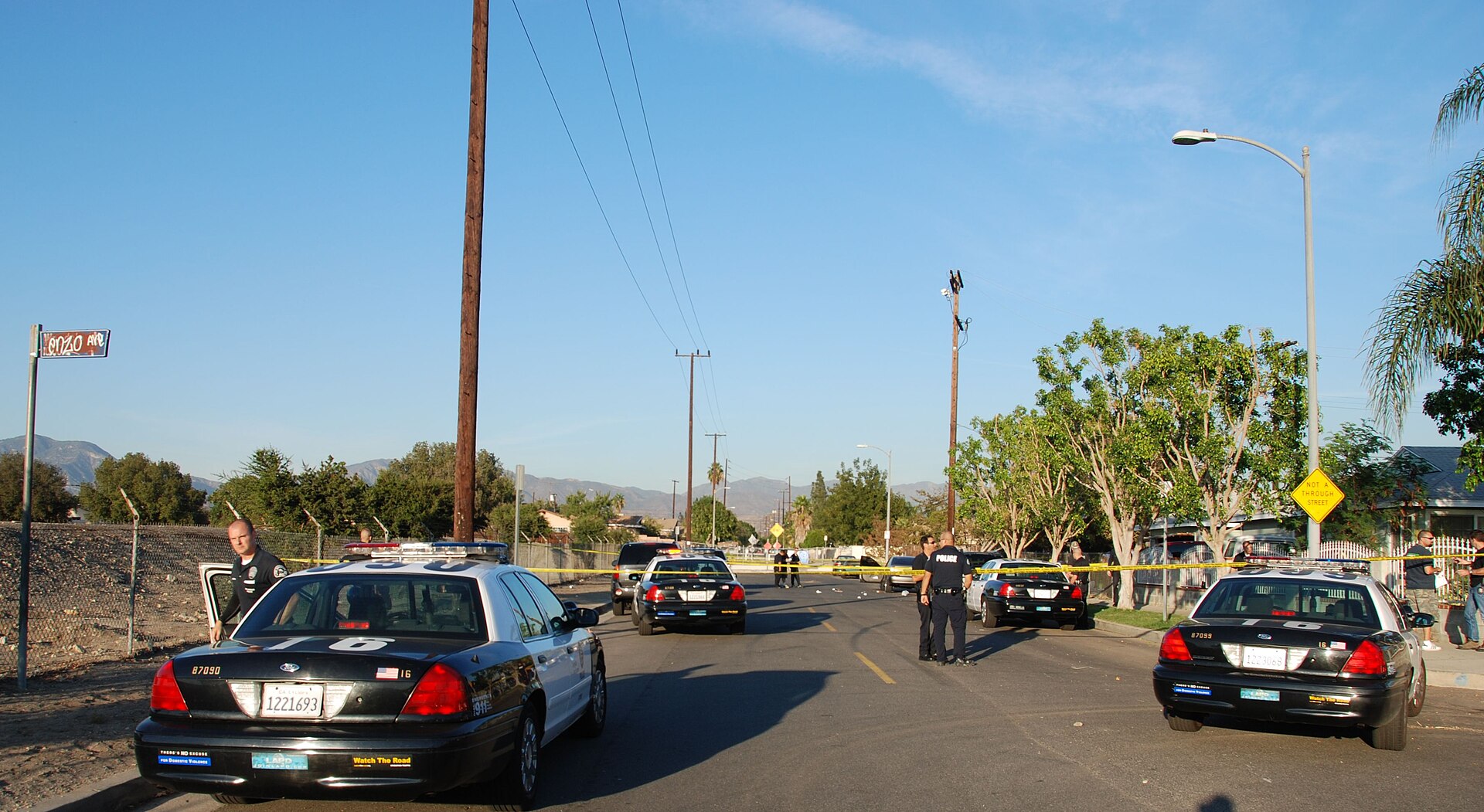
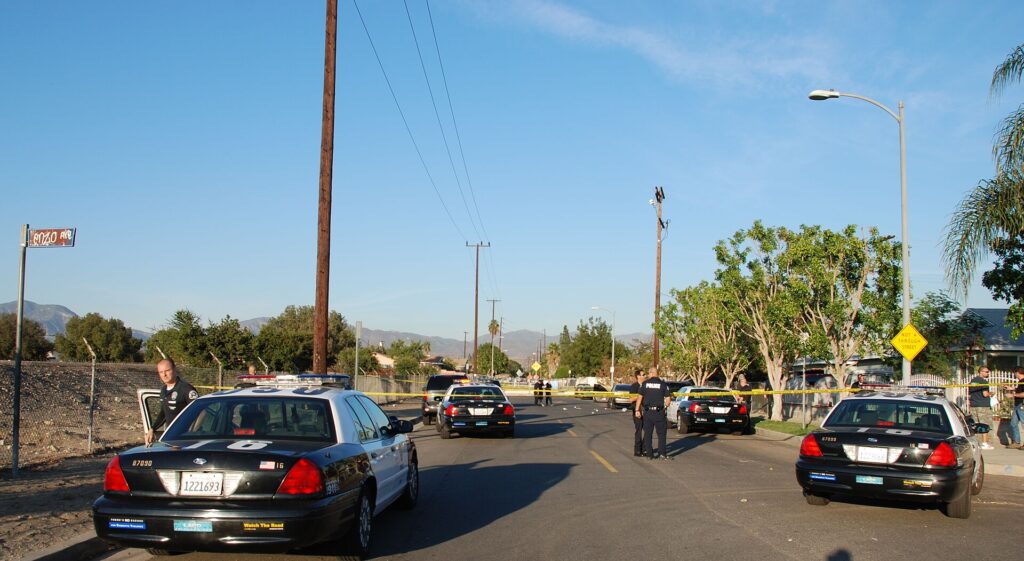
Law enforcement reported dark red drops on the front steps and investigators later placed evidence markers on the roof; officials would not confirm whether those drops were blood. You should note crews searched a yard drain or manhole near the home and towed a vehicle from the property during the weeklong probe.
Authorities also recovered a ransom note that referenced clothing and house details and set payment deadlines; the note was shared with the FBI and the Guthrie family. Detectives continue to canvass neighborhood license-plate readers and canvass tips, while the family’s public statements and the limited physical traces shape the narrow publicly disclosed record.
Relevant reporting on the timeline and evidence appears in law-enforcement briefings and local coverage; for the detailed timeline published by a major outlet, see the AP News timeline of the search.
Ransom Notes and Communication With Media
You’ll read about specific claims made in the messages, how authorities treated them, and the confusion that followed when multiple outlets got letters that mixed verifiable details with likely fakes.
Overview of Ransom Note Contents
The primary ransom letter circulated to media outlets demanded payment in cryptocurrency and set deadlines tied to unspecified consequences. It mentioned details about Nancy Guthrie’s Apple Watch placement and a floodlight at her Tucson-area home — specifics that law enforcement said had not been publicly released and that made officials take the note seriously.
The note included a first deadline that passed on a Thursday and a more consequential Monday deadline, according to FBI agent Heith Janke. The message also claimed Nancy was “OK, but scared,” and warned there would be no direct way to reply if you tried to contact the sender.
Your main takeaway: the letter mixed verifiable, sensitive details with standard ransom-demands language, which increased urgency and shaped the family’s and FBI’s response.
Authenticity and Investigation of Ransom Messages
Investigators treated the original letter as credible largely because of the nonpublic details about the Apple Watch and floodlight placement. The FBI’s Phoenix division, led publicly by Heith Janke in briefings, confirmed they shared the note with the family and were assessing its authenticity.
Forensic teams examined the digital and physical traces journalists received, and a federal task force inspected new messages that claimed continuity with the first. Proof-of-life remains unconfirmed; officials explicitly said they had not received evidence showing Nancy is alive.
You should note: whether to comply with a ransom demand is the family’s decision, and authorities cautioned against releasing more investigative details that might compromise deadlines or leads.
Hoaxes, Arrests, and Public Confusion
After the initial credible letter, many outlets reported receiving additional ransom notes and extortion attempts, some clearly fabricated. Those copycat messages complicated the investigation and flooded reporters with conflicting claims about deadlines and dollar figures.
Police later announced at least one arrest connected to a fake ransom note, underscoring how hoaxes can waste investigative resources. Media coverage of multiple notes also fueled public speculation about inside knowledge versus opportunistic fraud.
If you follow rewards, remember a $50,000 reward was discussed in public reporting tied to tips — but rewards do not equate to verified proof of life or the legitimacy of particular ransom claims.
Theories Emerge: Why a Lack of Transparency Fuels Speculation
A steady drip of limited facts, mixed statements, and unanswered questions creates fertile ground for competing narratives. You’ll see how rumors form, how official words shape perception, and how social platforms amplify both reliable updates and wild claims.
Inside-Job Theories and Community Rumors
When investigators release few details, you instinctively fill gaps with plausible motives and actors. Inside-job theories name familiar figures — sometimes pointing fingers at household members, staff, or someone with access. In the Guthrie case, that means speculation often circles the Guthrie family and people close to Nancy, because proximity gives opportunity and raises questions about motives.
You notice patterns: rumor starts small — a social post, a neighbor’s comment — then gains traction when influencers or persistent threads echo it. These claims often latch onto anomalies: timing of last known movements, inconsistent minor statements, or unconfirmed reports about items missing from a home. Theories harden when official timelines remain vague, because you have nothing stronger to trust.
Role of Family and Law Enforcement Statements
What family members and the Pima County Sheriff say — and don’t say — strongly steers public belief. If the Guthrie family issues a brief statement that emphasizes privacy without details, people infer there’s more to hide. Conversely, frequent, specific updates reduce room for speculation.
Law enforcement comments matter even more. When Pima County Sheriff spokespeople or investigators like Chris Nanos provide limited facts or decline to release certain evidence, you tend to assume either an ongoing operational need or institutional caution. Both interpretations feed different theories: the former suggests protective procedure, the latter suggests concealment. Clear, dated, and factual bullet-point updates help; ambiguity fuels alternative narratives.
Trust, Misinformation, and Social Media
You live in an environment where social platforms reward immediacy over verification. Threads on X, videos on TikTok, and private groups on Facebook let misinformation spread quickly. People retweet claims that fit their priors about celebrities or officials, and that accelerates inside-job narratives about Savannah Guthrie’s family or local responders.
Algorithms magnify sensational content, not nuance. That creates echo chambers where you repeatedly see the same unverified claim and begin to accept it as likely. Combating this requires timely, factual disclosures from credible sources plus visible correction of falsehoods. Without that, the vacuum created by minimal public evidence becomes an invitation for persistent, hard-to-rebut speculation.
More from Vinyl and Velvet:

Leave a Reply