

You want a clear answer fast: Erika Kirk filed a motion asserting her right to a speedy trial after her husband’s alleged killer, Tyler Robinson, and his defense pursued delays and procedural challenges. Her filing pushes the court to weigh a victim’s statutory right to quick resolution against defense tactics that can extend pretrial proceedings.
This conflict forces you to consider how the justice system balances a grieving family’s demand for prompt closure with constitutional protections for the accused. The article will walk through what Kirk asked for, the defense maneuvers that prompted it, how victims’ rights interact with defense strategy, and what the dispute could mean for similar high-profile cases.
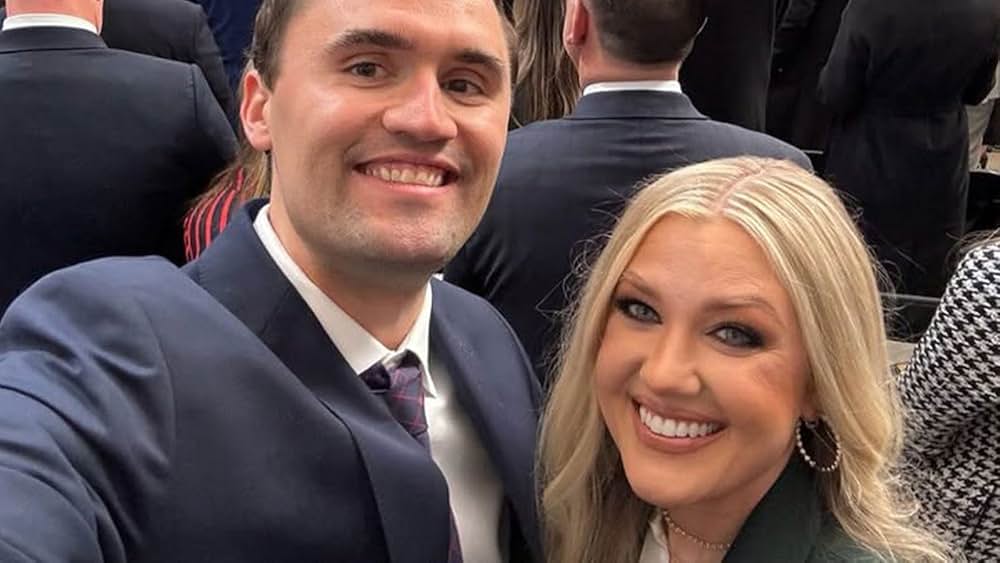
Erika Kirk’s Speedy Trial Request: What Happened?
You filed a formal victim’s-rights notice asking the court to prioritize a prompt resolution in the case that killed Charlie Kirk. The filing asks the judge to weigh your interest in avoiding further delay against defense requests that could push hearings and a trial months farther out.
Why Erika Kirk Filed for a Speedy Trial
You invoked a statutory right that lets crime victims ask a judge to consider their interest in a speedy resolution. The filing, submitted by Erika Kirk’s attorney, cites Utah law that requires courts to account for victims when deciding continuances that arise at a defendant’s request.
Your aim is to prevent what her lawyer called “undue delay” after the defense sought postponements tied to a challenge over whether the Utah County Attorney’s Office should remain on the case. The motion frames the delays as coming at the defense’s behest and asks the judge to record specific reasons if any continuance is granted.
You also emphasized the constitutional promise of a fair but not interminable process, pressing the court to balance Robinson’s rights against your need for timely resolution and closure.
Timeline of Court Filings and Hearings
The speedy-trial invocation came after a defense effort to disqualify the county prosecutors created a scheduling tangle. That disqualification motion centers on a potential conflict related to a prosecutor’s adult child attending the Turning Point USA event where Charlie Kirk was shot.
Judge Tony Graf held hearings in mid-January and set further proceedings for early February to determine whether the county attorney’s office must step aside. Erika Kirk’s filing was lodged the same day the defense pressed for delay, making the request contemporaneous with the dispute over prosecutorial participation.
Court docket entries show continuation requests, motions about cameras in the courtroom, and competing filings from defense and prosecution; the speedy-trial notice asks the judge to explicitly state reasons and avoidance steps if he approves any future continuance.
Role of Tyler Robinson in the Murder Case
Tyler Robinson faces multiple charges, including aggravated murder, for the fatal shooting of Charlie Kirk at the Turning Point USA event on a Utah Valley University campus. Prosecutors have signaled they may seek the death penalty if Robinson is convicted.
The defense has sought to remove the Utah County Attorney’s Office from the prosecution, arguing the office cannot be adequately walled off from a possible conflict — a move that could prolong pretrial scheduling and hearings. Erika Kirk’s speedy-trial filing directly counters those delay tactics by asking the court to factor her rights into decisions about continuances.
Robinson remains in custody pending the court’s rulings on conflicts, scheduling, and whether cameras will be allowed during proceedings.
Victims’ Rights vs. Courtroom Strategies
You’ll see a tug-of-war between statutory victim protections and defense moves that can slow a case. The next parts explain how Utah’s speedy-disposition rule works, what tactics typically cause delay, why conflict claims matter here, and who the key lawyers and judges are.
Utah Law and Victims’ Speedy Disposition Rights
Utah law gives victims the right to a “speedy disposition of the charges,” which aims to prevent unwarranted delay that harms victims’ ability to participate or move on. That right exists alongside the defendant’s constitutional speedy-trial protections; courts must balance both when scheduling hearings and discovery deadlines.
When a victim representative—here, Erika Kirk through attorney Jeffrey Neiman—files to invoke that statute, the court must consider whether defense requests for continuances or motions constitute undue delay. You should know the statute does not automatically force a trial date; judges weigh fairness, complexity of discovery, and the defendant’s need to prepare. The filing puts pressure on the court record and signals that the victim expects timely resolution under Utah law.
Delay Tactics Used in Criminal Cases
Defense teams often use procedural motions and extended discovery negotiations to buy time. Common tactics include challenging probable cause, filing motions to disqualify prosecutors or to exclude evidence, and requesting broad or staggered discovery production. Those moves can push preliminary hearings and arraignments farther out.
In this case, defense motions to disqualify the local prosecutor and heavy discovery demands are cited as reasons for delay. While some tactics are legitimate defenses to protect the accused’s rights, they can also trigger a statutory victim complaint when they meaningfully slow proceedings. Courts typically examine whether motions are substantive or frivolous; that assessment influences whether a judge treats a victim’s speedy-disposition claim as persuasive.
Conflict of Interest Claims in This Case
The defense has argued a potential conflict of interest involving a deputy county attorney whose adult child attended the event where Charlie Kirk was shot. That claim centers on whether the prosecutor’s office can be impartial given the personal connection. If a judge finds a real conflict, the office could be disqualified or the case reassigned.
Prosecutors have denied any disqualifying conflict, calling the defense motion unwarranted. You should note that alleging conflict can be a powerful delay tool even when the claim is weak; it forces hearings, briefing, and sometimes appeals. Judge Tony Graf (the presiding judge in related hearings) will evaluate whether the connection rises to a legal conflict that requires remedy, or whether the motion simply creates preventable delay.
Prominent Legal Players and Their Roles
Erika Kirk appears in the record as the victim representative and has retained Jeffrey Neiman to press her statutory rights. Neiman’s filing explicitly invoked Utah’s speedy-disposition language to push the court for timely progress. That places Kirk’s interests formally before the judge.
Defense coverage includes nationally noted attorneys such as Donna Rotunno, who has commented publicly on strategy and the tactical nature of some motions. The defense team’s filings—especially the motion to disqualify the prosecutor—drive much of the scheduling dispute. Judge Tony Graf will decide contested pretrial issues, balancing the defendant’s right to prepare, the prosecutor’s authority to pursue the case, and your statutory victim rights under Utah law.
Balancing Fair Trial and Swift Justice
You need to understand how victims’ speedy-trial claims, defendants’ procedural protections, and the realities of high-profile prosecutions interact. The next parts explain how courts weigh those competing interests and why cases tied to political figures complicate routine steps like preliminary hearings.
Defendants’ Right to a Fair Trial
You must recognize that the defendant has a constitutional guarantee to a fair trial, including time to prepare a defense. That often means access to discovery, expert review, and time for counsel to investigate complex evidence.
In practice, defense teams may seek delays to examine forensic data, line up witnesses, or challenge prosecution procedures. Those motions can push back events such as the preliminary hearing, where prosecutors must show probable cause to proceed. Courts balance delay requests against prejudice to the defense and to victims; judges may deny extensions if they appear tactical rather than necessary.
When you’re watching a high-stakes case, note that courts typically scrutinize the reasonableness of delay. If the defense shows concrete need—new evidence or complex forensic work—courts usually allow time. If delays seem aimed at media strategy or dragging out proceedings, judges can limit them to protect both a fair trial and timely resolution.
Constitutional and State Law Comparisons
You should distinguish between federal constitutional speedy-trial guarantees and state victim-rights statutes. The Sixth Amendment protects defendants’ speedy trial rights, but that standard differs from state laws that give victims explicit rights to prompt disposition.
For example, some states let victims formally invoke a right to a speedy disposition to press courts to limit unwarranted delay. Utah’s statute, cited in recent filings, specifically authorizes victims to demand a prompt resolution free from delays caused by the defendant. You should expect courts to reconcile the two: honoring a victim’s statutory request while ensuring the defense’s constitutional protections remain intact.
When the statutes conflict in practice, judges apply balancing tests—examining length of delay, reasons for delay, assertion of rights, and resulting prejudice. You can track whether a judge leans toward the defendant or the victim by how strictly the court enforces deadlines for discovery, preliminary hearings, and plea entry.
Challenges of Capital and High-Profile Cases
You need to keep in mind that capital or politically charged cases usually take longer. The stakes are higher, evidence can be voluminous, and both sides often pursue aggressive motions. That increases the risk of perceived “undue” delay for victims and public observers.
High-profile cases routinely involve extra procedures: conflict-of-interest motions against prosecutors, detailed pretrial publicity management, and heightened security for hearings. Those issues can postpone the preliminary hearing or plea deadlines and lengthen discovery timelines. You should expect courts to document reasons for delay thoroughly to withstand appeals.
In situations tied to public figures or alleged assassination-type facts, courts often require more protective measures—sequestered juries, expanded voir dire, or limits on pretrial publicity. Those safeguards protect a fair trial but also extend the calendar, forcing judges to balance your right to timely justice against procedural fairness.
The Broader Impact and What’s Next
Erika Kirk’s speedy-trial filing pushes immediate questions about court timing, victim rights, and how procedural moves affect the pace of a high-profile criminal case. You’ll see effects on Utah’s system, public discourse, and the specific timeline for the Robinson murder trial.
Implications for Utah’s Legal System
You should expect closer scrutiny of how Utah balances defendants’ procedural protections with victims’ statutory rights to speedy disposition under Utah Code § 77-38-7(2). Local judges may face more frequent motions from victims or defense teams seeking tactical advantages, so courtroom calendars and pretrial schedules could get tighter.
The court’s treatment of the prosecution-disqualification claim — tied to a UVU student’s presence at the event — could set a narrow precedent about when personal proximity creates a conflict. That matters because prosecutors’ staffing and recusals affect which county or team handles capital murder cases.
You’ll also want to watch whether judges emphasize earlier filing deadlines, as one judge noted the motion should have been filed sooner. Expect administrative responses: clearer local rules, stricter timelines for victim motions, and possible policy discussions at the district level to prevent competing delays in future high-profile trials.
Public Reaction and Media Influence
You will notice polarized public response shaped by partisan networks and national groups such as Turning Point USA, which has a direct institutional connection to Charlie Kirk’s activism. Coverage has amplified calls for swift justice from conservative outlets while defense-focused reporting highlights due-process safeguards.
Media intensity affects jury pools and local sentiment in Provo and at Utah Valley University, where the shooting occurred. That creates practical challenges for voir dire and potential venue-change motions. Social media posts, livestreamed court moments, and national commentary increase pressure on local officials to communicate transparently.
Expect public events, statements from advocacy groups, and opinion pieces to keep the case in the news cycle. You should monitor how local newspapers, national outlets, and campus communities at UVU respond, since sustained coverage can influence perceptions of fairness long before the trial begins.
Looking Ahead in the Robinson Case
You need to track the evidentiary hearing resumption and the preliminary hearing dates tentatively set for May 18–21. Those procedural milestones will shape discovery timelines and whether the defense’s disqualification claim delays trial scheduling.
Keep an eye on motions about venue, jury sequestration, and pretrial publicity restrictions given the case’s national profile. The prosecution’s ability to move forward without recusal will determine whether the case stays in the Fourth District or shifts, which directly affects timing and resources.
If you follow court filings, you’ll see victim-rights motions, defense requests for continuance, and possible challenges to admissibility of evidence tied to the UVU event. Those filings will signal whether the trial proceeds on an accelerated path or stretches as defense teams use procedural avenues to seek more time.
More from Vinyl and Velvet:

Leave a Reply