

You deserve to know what happens when a high-profile murder case unfolds in public courts, and Erika Kirk has openly pushed for that access. She argues the public — including you — should see evidence and proceedings firsthand so transparency, not secrecy, guides how this case is understood.
Expect this post to walk through why Kirk fought for openness, the legal fights over cameras and media access, how restricted access fuels misinformation, and the emotional ripple effects after the assassination. You’ll get clear, concrete examples of how transparency has been treated as a liability rather than as a fundamental right in this trial.
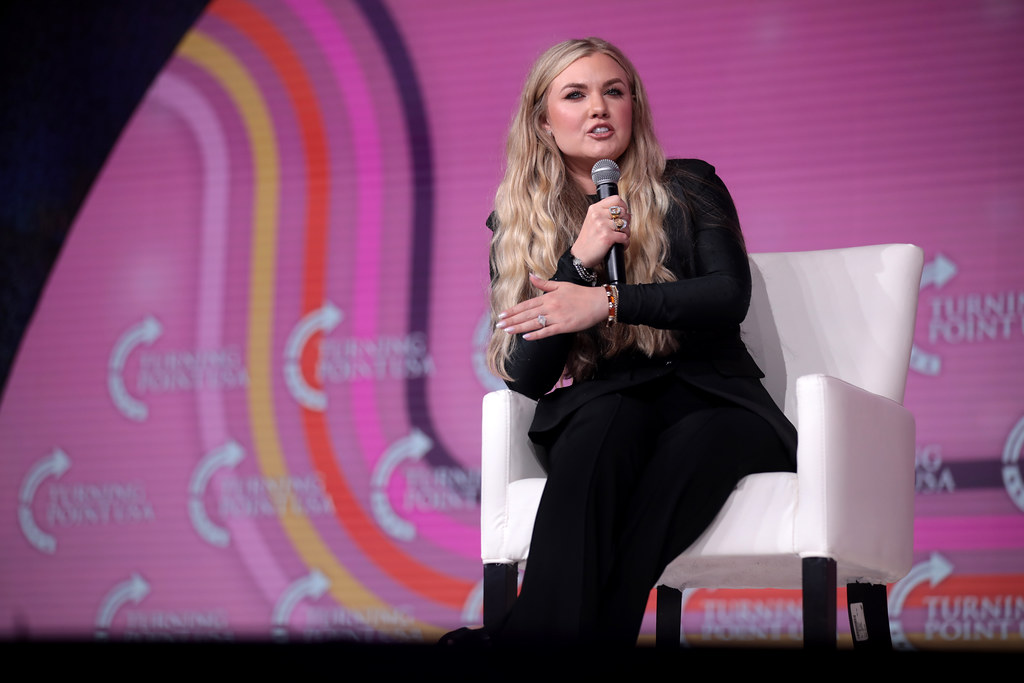
Why Erika Kirk Fought for Openness in the Trial
Erika Kirk argued that the public should see how evidence is presented, how witnesses respond, and how the court manages a high-profile political killing. She pushed for clarity about procedure, witness safety, and whether media access would influence jury selection.
Her Court Filings and Public Appeals
You see Erika Kirk filing motions and speaking publicly to oppose any blanket ban on cameras. In court filings she and her attorneys framed openness as a tool to ensure the record is visible to the public and press, not as spectacle. Her filings referenced Utah’s rules that generally permit courtroom coverage and urged the judge to limit restrictions only where narrowly necessary.
In interviews and written statements she stressed personal stake: Charlie Kirk’s death occurred publicly, and she argued the trial’s core events should not be hidden from the same public that witnessed the killing. That public-facing strategy kept pressure on the judge and made media access an active part of pretrial debate.
Balancing a Fair Trial with the First Amendment
You can’t ignore the tension between a defendant’s right to a fair trial and the First Amendment right of access. Defense attorneys argued intense media coverage could prejudice jurors, citing social media saturation and viral clips since the shooting. The court must weigh that risk against the constitutional presumption favoring open proceedings.
Erika positioned transparency as a constitutional claim too — not just personal preference. She invoked the public’s interest in observing judicial process and accountability, asking the court to use targeted remedies (like voir dire procedures or limits on camera positioning) instead of outright bans that treat openness as a liability.
Turning Point USA’s Role and Public Interest
You’ll notice Turning Point USA’s ties made the case especially visible. As CEO and widow of Turning Point USA founder Charlie Kirk, Erika’s calls for cameras merged institutional interest with personal grief. That dual role amplified coverage and raised questions about political impact on courtroom access.
She argued that because Turning Point USA had been a public-facing organization and Charlie was killed during a public appearance, transparency served both the organization’s members and the broader public. Her stance pushed the court to consider how media access affects public trust in prosecution and defense alike, and whether restrictions would be perceived as shielding the process from scrutiny.
Transparency Versus Secrecy: Courtroom Battles Over Access
You’ll read about competing interests over cameras, evidence visibility, and how a judge’s narrow orders shape what the public actually sees. The dispute pivots on whether openness protects justice or risks tainting a jury and compromising a fair trial.
Key Disputes About Cameras and Reporting
You’re facing a clash between full visual access and limits tied to pre-trial and in-court fairness. Erika Kirk and many media outlets want cameras to capture courtroom proceedings and evidence presentation so the public can see what prosecutors present and how witnesses testify. They argue that televised coverage prevents misinformation and holds everyone — investigators, lawyers, and the court — accountable.
On the other side, the defense has filed court filings asking for restrictions, citing the risk that pervasive media images will prejudice potential jurors. You should note the specific flashpoints: filming the defendant’s appearance or shackles, coverage of graphic evidence such as shooting footage, and live broadcasting of witness testimony. Those items drive nearly every motion and response in the docket.
Judge Tony Graf’s Rulings and Reasoning
Judge Tony Graf has taken a case-by-case approach that narrows media access without an outright ban. You’ll see partial orders prohibiting cameras from capturing the defendant’s shackles or close-up shots of his appearance, reflecting a concern that images themselves can create bias.
Graf tied his rationale to protecting the defendant’s right to a fair trial while balancing First Amendment interests in open proceedings. He delayed broader rulings to evaluate specific requests and to weigh statutory and constitutional factors. His decisions emphasize limiting potentially inflammatory visuals rather than eliminating reporting on courtroom events entirely.
Arguments From the Defense Side
The defense frames media access as a tangible risk to jury impartiality and to the integrity of pre-trial proceedings. You’ll encounter arguments that live or widely distributed footage can reach jurors outside voir dire safeguards, creating impressions that are difficult to undo during trial.
Defense briefs stress that images of shackles or graphic evidence could inflame public opinion and make it hard to seat an unbiased jury. They also contend that intense media scrutiny can pressure witnesses, affect testimony quality, and impede defense investigators’ ability to prepare without public interference. Those practical concerns drive many of the limitations they seek.
National Media and Legal Precedents
National outlets press for broader access, citing precedents where cameras aided transparency without harming trial fairness. You’ll find references to federal and state cases that set different standards for televising trials and to arguments that public scrutiny checks prosecutorial power.
Media organizations emphasize the public’s right to observe court proceedings and to evaluate how justice is administered. Their filings often point to prior decisions allowing limited camera presence and to technological measures — delayed feeds, camera positioning rules — that can reduce prejudice while preserving coverage.
Impact of Limited Access: Misinformation and Public Trust
Limited courtroom access lets key facts stay hidden and leaves gaps that people will fill themselves. That creates fertile ground for false narratives, damages confidence in legal institutions, and makes it harder for you and your community to understand what actually happened.
Spread of Conspiracy Theories
When cameras and broad media coverage are restricted, you lose direct sightlines to evidence, witness testimony, and courtroom demeanor. Without those verifiable touchpoints, rumors and alternate narratives multiply on social platforms and partisan outlets.
Conspiracy theories exploit gaps: they stitch together unrelated details, amplify speculative claims, and use viral formats to reach large audiences fast. That dynamic matters because once a theory takes hold it’s hard to correct; retractions and official statements rarely travel as widely or as quickly.
You should expect targeted misinformation that frames omissions as proof of a cover-up. That kind of messaging aims to erode your ability to assess the case based on primary records rather than hearsay.
Erosion of Trust in the Judicial Process
Transparency fosters legitimacy; secrecy often breeds suspicion. When courtrooms close or limit media access, you may reasonably question whether the system is withholding information or favoring one side.
This distrust translates into tangible behaviors: fewer people accepting verdicts, reduced cooperation with investigations, and political actors using opacity to score partisan points. Those reactions can influence jury pools, witness willingness to testify publicly, and the perceived fairness of proceedings.
You will notice trust declines unevenly across groups. Communities already skeptical of institutions feel the greatest impact, which deepens polarization around what should be neutral legal facts.
How Misinformation Affects the Community
Misinformation moves beyond headlines and shapes day-to-day interactions. Neighbors, workplaces, and online groups start debating versions of events that may conflict with court records you can’t easily access.
That produces tangible harms: harassment of witnesses or family members, threats directed at court personnel, and mental-health strain for those close to the victim or accused. Economic effects follow when public events, fundraising, or local organizations face boycotts tied to contested narratives.
To protect community cohesion you need clear, timely access to proceedings or authoritative summaries that reduce the space misinformation fills. Otherwise, the void left by limited access will keep fueling confusion and mistrust.
Emotional and Social Fallout After the Assassination
You’ll read how grief reshaped a family, how a campus and broader communities reacted, and how the killing pushed political debate into the courtroom and media access fight.
The Toll on Erika Kirk and Her Family
You see public grief become private responsibility for Erika Kirk and her two children after Charlie Kirk’s assassination at a Turning Point USA event. Erika spoke publicly at the funeral and on social media, describing days of “ups and downs” as she processes loss while managing a nonprofit and family life.
She told friends she tried to convince Charlie to take more security precautions, which adds guilt and unresolved questions to the emotional toll. You can’t ignore the practical pressure: legal decisions, public statements, and motherhood all demand attention while she mourns.
Erika’s visible forgiveness at the memorial and comments about not wanting “that man’s blood on my ledger” have drawn intense reaction, complicating private grief with public expectations.
Community Reactions to the Assassination
You watched students, Turning Point activists, and local residents respond at Utah Valley University and beyond. Campus witnesses described shock and trauma; some UVU students attended memorials while others sought counseling for exposure to violence.
Local faith leaders and political figures attended services and town halls, and social media amplified polarized responses — from calls for unity to heated blame. Community healing efforts included vigils and public forums that mixed faith, politics, and questions about campus safety.
The alleged shooter, identified as Tyler Robinson and an UVU student, intensified local anxiety as prosecutors pursued aggravated murder charges and debated whether the death penalty should apply.
Wider National and Political Repercussions
You felt the assassination ripple through national politics and media practices almost immediately. Conservative networks framed Charlie Kirk as a martyr and rallied support for his causes; his organization faced the dual task of preserving his message and responding to security concerns.
The case pushed debates over transparency and court access into the spotlight as Erika pressed for media access to Tyler Robinson’s trial, arguing public scrutiny is a right. Meanwhile prosecutors’ move to seek the death penalty formalized the legal stakes and kept coverage intense.
National conversations about political violence, free speech, and courtroom transparency now intersect with grief, making every procedural choice about the trial—who can attend, what airs, and when—an inherently political decision.
More from Vinyl and Velvet:

Leave a Reply