

You saw the clips, the headlines, and the hot takes. The halftime spectacle featuring Bad Bunny didn’t just entertain—it forced a national argument about language, identity, and who gets to represent mainstream America. Yes — cultural expression can be reframed and constrained when filtered through a partisan lens, but that pushback also reveals how much symbolic power music still holds.
You’ll follow how the show set the stage, why critics dug in, and where protest and pride intersect in performance. Expect a clear look at the political backlash, the cultural stakes, and how music continues to serve as both resistance and representation.
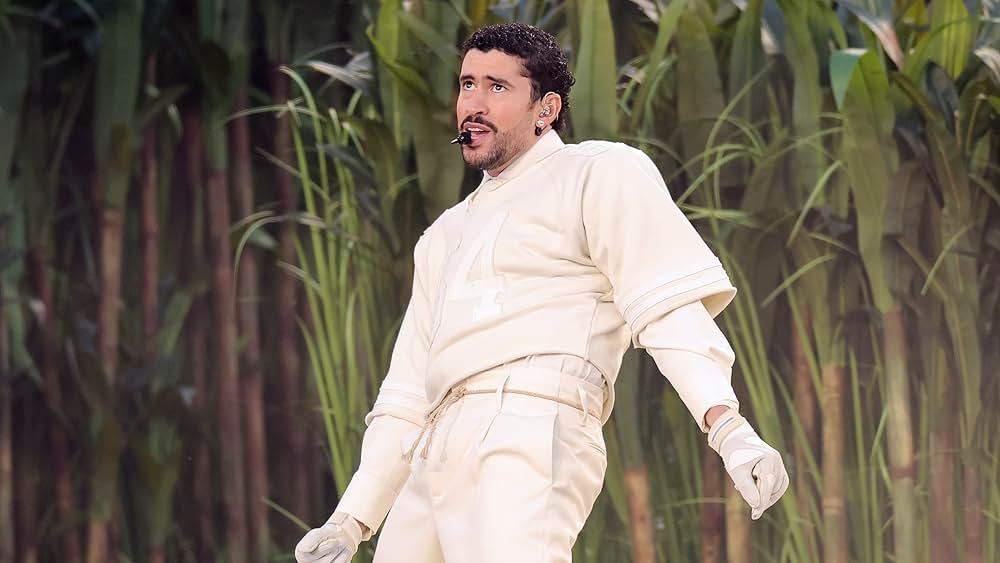
Bad Bunny’s Halftime Show: Setting the Stage
Bad Bunny turned the Super Bowl field into a deliberate, culturally specific spectacle that fused reggaeton energy with visual references to Puerto Rico. You saw bold costume choices, local cultural nods, and song selections that prioritized Spanish-language hits and community imagery over broad, English-language crossover moments.
Historic Super Bowl Milestones
The performance marked one of the few halftime shows led by a Puerto Rican artist, and it underscored the NFL’s continued push for global audiences at Super Bowl LX. At Levi’s Stadium, the show joined previous landmark moments—pop megastars and genre-defining sets—by centering a Latinx performer who sings primarily in Spanish.
That mattered in the moment: the crowd reaction, TV ratings conversations, and political backlash all hinged on the milestone symbolism. You can trace how the NFL balanced commercial goals with cultural representation when it kept Bad Bunny as headliner despite controversy and criticism from some conservative figures.
Bad Bunny’s Unique Performance Elements
You witnessed reggaeton rhythms driving the set list, with live percussion, heavy bass, and choreographed moves that matched Bad Bunny’s high-energy catalog. He incorporated Puerto Rican street aesthetics onstage—vendors, domino players, and tropical props—so the performance read as a neighborhood block party scaled to a stadium.
Costume and staging choices reinforced identity: outfits and props referenced Puerto Rican iconography and queer culture at times, which amplified both praise and political pushback. Musically, Bad Bunny favored Spanish-language tracks and medleys of his major hits, resisting a full pivot to English-language pop formulas.
Guest Appearances and Musical Choices
Guest cameos and surprise transitions kept momentum and spotlighted cross-genre connections. You saw collaborators and local artists join for short segments that emphasized community rather than star-studded spectacle. Those appearances supported the show’s thesis: this was a Puerto Rican-rooted set, not a generic pop showcase.
Song choices blended stadium-ready anthems with slower, culturally resonant numbers. You could hear decisions aimed at live impact—heavy hooks, call-and-response moments, and singalongs—while intentionally foregrounding Spanish lyrics. That framing shaped both the critical conversation and the political reactions that followed.
The Political Backlash and Culture War
You saw the halftime show become more than music: it turned into a flashpoint about language, identity, and partisan signaling. Responses ranged from outright calls to boycott to organized counterprogramming, and influential conservative voices framed the performance as an attack on cultural norms.
Conservative Responses to Spanish-Language Performance
Conservative commentators and some right-leaning politicians criticized the decision to headline a predominantly Spanish-language artist. They argued the Super Bowl — billed as a unifying national spectacle — should feature performers who cater to an English-speaking majority, and they framed Bad Bunny’s set as exclusionary rather than inclusive.
Public figures amplified that message across cable and social platforms. Pundits like Benny Johnson and personalities such as Tomi Lahren pushed narratives that questioned the NFL’s priorities. Musicians aligned with conservative audiences, including Kid Rock and Brantley Gilbert, posted skeptical takes, fueling social-media backlash and calls to tune out the broadcast.
You noticed this criticism often mixed cultural complaints with political grievance. Threads about language quickly became about immigration and national identity, turning a music performance into a barometer for broader culture-war resentments.
Trump Administration Criticism and Political Figures
Donald Trump publicly denounced the lineup, calling the choice “terrible” and signaling he would skip the game. His comments amplified the controversy and gave Republican officeholders cover to criticize the NFL’s programming decisions.
Other GOP figures echoed or expanded on Trump’s message. Some congressional conservatives questioned whether taxpayer-funded broadcasts should prioritize performers who don’t sing mainly in English. House Speaker Mike Johnson’s allies raised cultural concerns on social channels, and governors like Kristi Noem issued statements framing the halftime selection as evidence of cultural drift.
You’ll find that homeland-security–adjacent rhetoric surfaced in some critiques, not about safety but about belonging. The debate moved from artistic merit to questions about who gets to represent “American” culture on the biggest national stage.
Turning Point USA’s Counter-Show
Turning Point USA organized an alternative event to contest the NFL’s choice and offer a conservative-themed viewing experience. The group promoted performers and commentators who voiced opposition to the halftime headliner, positioning their event as a patriotic alternative.
Influencers and activists backed the counter-show to mobilize younger conservative viewers. Turning Point USA used social media ads, livestreams, and on-the-ground gatherings to create a coordinated response, aiming to siphon attention away from the NFL broadcast.
You could see the counter-show as part protest and part marketing play. By staging a rival event, Turning Point USA and allied personalities sought to institutionalize cultural resistance rather than leave the moment to punditry alone.
Cultural Expression vs. The Partisan Lens
Bad Bunny’s Super Bowl set foregrounded Puerto Rican culture, Spanish-language performance, and visible political cues — and those choices reopened debates about who counts as “American” in entertainment and politics.
Puerto Rican Identity and American Belonging
You saw Puerto Rico on a massive stage: traditional imagery, bilingual calls, and cultural gestures tied to Benito Antonio Martínez Ocasio’s public persona. That visibility highlighted Puerto Rican contributions to U.S. culture while prompting questions about representation in mainstream moments like the Super Bowl.
Critics framed the performance as either a proud assertion of island identity or as evidence that an artist who primarily sings in Spanish doesn’t fit a narrow idea of “American.” Supporters pointed to Bad Bunny’s chart success, collaborations with global stars, and awards recognition — including attention to the Best Música Urbana Album field at the Grammys — as proof that language and origin don’t erase belonging.
You’ll notice comparisons to other artists with Latin roots who crossed into U.S. spectacle — Shakira, Jennifer Lopez, and Ricky Martin — yet Bad Bunny’s Puerto Rican origin and persistent use of Spanish made the cultural claim more explicit than many past halftime acts.
Immigration, Language, and National Identity
You felt the debate sharpen when commentators linked the halftime show to broader disputes over immigration enforcement and cultural assimilation. The performance became shorthand for arguments about bilingualism, with opponents implying national unity requires English-only public displays.
People tied the moment to current policy debates: critics referenced immigration crackdowns and enforcement rhetoric when arguing Bad Bunny’s image didn’t align with a particular vision of American identity. Supporters pushed back by emphasizing how immigrant communities — and Puerto Ricans, who are U.S. citizens by birth — shape American music and language.
Your perspective matters because language here is political: a Spanish-language album topping charts challenges assumptions about market preferences and who counts in national conversations. The halftime platform forced viewers to reckon with cultural pluralism amid policy-driven anxieties.
Past Halftime Shows and Shifting Social Expectations
You can trace a pattern: halftime stages have evolved from neutral spectacle to contested cultural statements. Madonna, Beyoncé, and Justin Timberlake each triggered debates about race, gender, or politics. Those moments set a precedent for the current backlash and acclaim.
Roc Nation’s production choices and guest appearances signal deliberate curation toward inclusivity and cross-genre appeal. Bad Bunny’s show joined a lineage where pop spectacle intersects with social messaging — sometimes provoking backlash, sometimes expanding mainstream taste.
You’ll notice the industry context: pop icons like Rihanna and J.Lo normalized Latin influence at large events, while award recognitions — including Grammy nods to música urbana — institutionalized genres that once lived largely outside mainstream gates. That shifting expectation makes today’s controversies less about novelty and more about which political lens viewers bring to big cultural events.
Music as Protest and Representation
Bad Bunny uses music to call out injustice, center Puerto Rican identity, and shift mainstream gates by performing mostly in Spanish on global stages. His work ties specific political moments, cultural practices, and grassroots mobilization into performances that many listeners experience as both celebration and demand for accountability.
Bad Bunny’s Political and Social Advocacy
You’ll find politics woven directly into his lyrics and public actions. After Hurricane Maria, he publicly reminded U.S. audiences about the storm’s death toll and ongoing infrastructure failures during a 2018 appearance on The Tonight Show Starring Jimmy Fallon, forcing a national conversation about federal response.
He’s criticized colonial governance and highlighted Puerto Rico’s austerity and gentrification in tracks on Debí Tirar Más Fotos, where local references make policy impacts personal.
Bad Bunny also used his platform during the 2019 protests in Puerto Rico and the 2024 local elections to mobilize voters and spotlight corruption.
That mix of cultural pride and targeted critique means his stage choices—set lists, visual motifs, guest appearances—carry political weight, whether you follow Latin music closely or only tune in for major events.
Art, Resistance, and Puerto Rican Mobilization
You recognize cultural forms—bomba rhythms, community dances, protest anthems—in his work as tools of resistance. Debí Tirar Más Fotos borrows from Afro‑Puerto Rican traditions, linking musical form to historical memory and present struggles over land and taxation that fuel gentrification.
During mass actions, these same rhythms helped unify protesters in 2019; Bad Bunny’s participation amplified those gatherings beyond the island.
His halftime show performances and festival appearances turn entertainment spaces into civic stages. When you see bomba beats or chants woven into a set, they function as signals: this is Puerto Rican history, these are ongoing injustices, and people are organizing in response.
That clarity helps explain why some audiences view his art as protest while others treat it as cultural showcase.
From Residency in Puerto Rico to World Tour
You’ve seen him choose a Puerto Rico residency instead of touring the U.S. mainland, a strategic move after Hurricane Maria that prioritized local audiences and safety concerns. Opting for residency underscored commitment to the island economy and to fans directly affected by slow recovery efforts.
Later global touring expanded his reach but kept Puerto Rican themes front and center, so international stages carried explicit references to Maria’s aftermath and to colonial status.
His commercial success also influenced language learning trends; apps like Duolingo reported spikes in Spanish learners tied to his global visibility.
That crossover—local residency to global tour—illustrates how your exposure to his music can move from intimate community context to worldwide conversation without stripping the songs of their political and cultural specificity.
More from Vinyl and Velvet:

Leave a Reply