

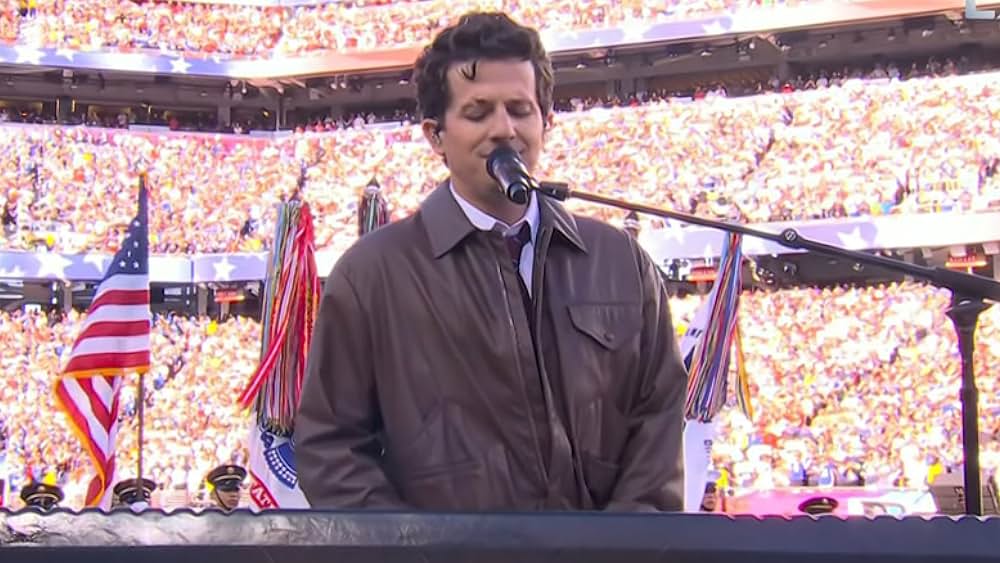
You watched Charlie Puth deliver a near‑flawless national anthem at the Super Bowl, and the internet exploded anyway. This isn’t about vocal chops — it’s about how people reflexively latch onto something to criticize, turning even a solid performance into a controversy.
You’ll see how the backlash focused less on Puth’s singing and more on expectations, comparisons, and the habit of needing a grievance. Expect a quick look at the Super Bowl’s relentless spotlight, why performers attract scrutiny, and where Puth’s career fits into what comes next.
The Charlie Puth Super Bowl Anthem Backlash
You saw the announcement and the immediate reaction: Puth will sing the national anthem at Super Bowl LX, and critics quickly weighed in on whether he was the right choice. The controversy centers on who deserves the anthem slot, how the performance will compare to past legends, and how Puth answered his critics online.
What Sparked the Outrage?
The NFL named Charlie Puth to perform the national anthem at the 2026 Super Bowl in Santa Clara, and some fans reacted sharply on social platforms. Complaints focused less on the arrangement and more on Puth’s perceived profile compared with past anthem singers.
Many critics invoked fame and legacy, arguing the role should go to a long-established icon. Others pushed back because the Super Bowl often attracts political commentary; any NFL artist choice now draws partisan critique. The response snowballed after a well-known commentator publicly doubted Puth’s “vocals,” which amplified the backlash across X and Instagram.
You should note that the NFL and its partners routinely defend lineup choices, and the league’s announcement emphasized Puth’s hitmaking resume. That didn’t stop comparisons or heated takes, but it did frame how some fans judged the selection from the start.
Comparisons to Whitney Houston’s Iconic Rendition
Whitney Houston’s 1991 performance of The Star-Spangled Banner at the Super Bowl remains the cultural touchstone for anthem renditions. When people bring up Houston, they measure vocal power, emotional weight, and historical resonance against any new singer’s performance.
Fans referencing Houston expect a level of technical mastery and cultural impact that few can match. Critics used that benchmark to argue Puth couldn’t reach those heights, often overlooking differences in vocal timbre and interpretive choices. You’ll see the comparison invoked as shorthand for disappointment rather than a nuanced vocal critique.
Because Houston’s rendition became both a musical milestone and a broadcast moment, any subsequent singer—especially at Super Bowl LX—faces that legacy. The bar isn’t just about hitting notes; it’s about creating a moment that feels nationally significant.
Charlie Puth’s Direct Response to Critics
Charlie Puth replied publicly after the criticism, acknowledging Whitney Houston’s legacy while promising a “really special arrangement.” He named the key—D major—and committed to delivering one of his best vocal performances, which shifted conversation from identity to preparation.
His response was concise and confident, avoiding long defenses. By addressing a specific commentator’s remark directly on social media, Puth reframed the narrative as artistic intent rather than celebrity debate. You can interpret the reply as both a nod to standards set by past performances and a clear statement that he’ll approach the anthem thoughtfully.
The NFL’s broader lineup—featuring Brandi Carlile and Coco Jones in the pregame—also contextualized Puth’s selection, but his direct engagement with critics became the main storyline.
The Real Reason for the Controversy: The Need to Complain
You’re seeing backlash that focuses less on vocal quality and more on identity, nostalgia, and power. People latch onto small details — song choice, stage time, or a performer’s past — to make broader cultural points.
Social Media’s Role in Amplifying Grievances
You encounter a storm of reactions within minutes on platforms like X and Facebook. A single clip of Charlie Puth’s opening lines or a contrasting shot of Brandi Carlile singing “America the Beautiful” becomes a meme, then a rallying cry for critics on both sides.
Algorithms reward anger and rapid engagement, so posts that frame the anthem as “wrong” or “too political” spread faster than measured takes. That pushes debate from thoughtful critique to soundbite warfare, where context about song selection or vocal arrangement disappears.
You also see coordinated piles-on from fandoms and partisan groups. Each side weaponizes moments — whether Coco Jones’s placement on the lineup or Brandi Carlile’s rendition of a patriotic standard — to score cultural points rather than assess the performance on musical terms.
Super Bowl Performances as Public Battlegrounds
You know the Super Bowl is part cultural ritual, part ratings war. When organizers pick artists, critics read intentions into those choices: diversity becomes a political statement; safe choices become cowardice.
A singer’s performance of “The Star-Spangled Banner,” “America the Beautiful,” or “Lift Every Voice and Sing” is treated as symbolic speech. That raises the stakes beyond music — every note is judged as an endorsement or rejection of a perceived national identity.
You’ll notice that timing matters. If an artist with a recent controversy appears or a nontraditional halftime like Bad Bunny is featured, critics frame other performers’ roles as corrective or complicit. The result: a disproportionate focus on identity politics instead of vocal technique or arrangement.
How New Voices Like coco jones and brandi carlile Are Targeted
You see newer or stylistically divergent artists pulled into fights they didn’t start. Coco Jones, rising in pop and R&B, gets scrutinized for her placement and image rather than the quality of her music.
Brandi Carlile faces critiques that misread interpreting “America the Beautiful” as a political act rather than an artistic choice. Critics rewrite intent, claiming organizers “balanced” lineups to appease demographics, which fuels resentment.
You’ll notice attacks often invoke authenticity tests — who’s “allowed” to sing certain songs or represent traditions. That policing distracts from musicianship and encourages factions to demand ever clearer proof of loyalty, which keeps controversies alive long after the broadcast.
Setting the Stage: Why Super Bowl Performers Always Face Scrutiny
The Super Bowl amplifies everything about a performer — politics, past actions, musical choices, and how those choices land with very different audiences. You’ll see criticism that targets the artist, the NFL’s decision-making, and cultural conversations that predate the game.
The History of Super Bowl Anthem Controversies
You’re dealing with a history where small moments become massive controversies. Incidents like wardrobe malfunctions, political gestures, or unexpected guest appearances have repeatedly turned halftime acts into cultural flashpoints. Those moments stick because the game’s audience is huge and diverse; a single misstep gets replayed and debated across news cycles.
The halftime stage has hosted acts that forced conversations about race, gender, and decency, and each episode becomes shorthand for larger debates. That history makes viewers quick to assign intent or offense, even when the performance itself aims simply to entertain.
NFL Strategy and the Pressure to Appeal to Everyone
You should know the NFL programs the halftime slot to reach as many viewers as possible — advertisers, casual fans, and global audiences. That creates pressure to book acts with cross-demographic appeal, which often means choosing commercially successful, currently relevant artists. The league balances ratings risk against cultural relevance and sponsor comfort.
When the NFL picks someone like Bad Bunny for Super Bowl 60 in Santa Clara, it’s juggling market expansion, streaming metrics, and political optics. You’ll see backlash from groups who feel excluded and from others who demand bolder representation; the NFL faces criticism no matter which trade-offs it makes.
The Broader Debate Around Halftime Show Choices
You’ll notice debates extend beyond the performance into who gets spotlighted and why. Critics ask whether choices reflect artistic merit, commercial calculation, or political signaling. This conversation intensifies when performers have public stances — for instance, an artist’s advocacy or past comments can trigger scrutiny separate from the music.
Arguments often fall into predictable lines: some viewers want tradition and neutral entertainment, while others expect the halftime stage to reflect cultural shifts. Those clashing expectations make the halftime show a repeat target, not because each performance is inherently controversial, but because the platform itself has become symbolic.
Charlie Puth’s Musical Legacy and the Path Forward
Charlie Puth built his career on precise production, ear-catching hooks, and a knack for emotional pop ballads. You’ll see how a high-profile anthem spot connects to his past hits, how people reacted, and why the debate stretches beyond one performance.
What Makes Puth’s Performance Unique
You know Puth for tight, studio-perfect vocals and polished arrangements on songs like “See You Again.” That background gives him an advantage when tackling a high-pressure, short-form piece like the national anthem: he can control tone, pitch, and dynamics precisely.
Puth’s strength lies in blending technical skill with pop sensibility. He often layers harmonies and subtle vocal runs that read well on recordings and translate to a stadium when arranged thoughtfully. Expect a modernized, arranged take rather than an imitation of past renditions.
His familiarity with vocal editing and live production lets him rehearse a strict roadmap for phrasing and key choices. That matters for a one-shot event where tempo, key, and breath control determine public reaction.
Reactions from Fans and Industry Insiders
Fans split along predictable lines: die-hard supporters praised his confidence and production-minded approach, while critics compared him to iconic renditions and questioned his vocal heft. Social posts focused as much on legacy comparisons as on the actual performance specifics.
Industry insiders tended to frame the booking as strategic. They note Puth’s mainstream recognition, songwriting credentials, and ability to deliver radio-friendly moments, which makes him a logical choice for a national broadcast slot.
You’ll also see defenders pointing to his rehearsed arrangement and promise of a “special arrangement” in D major, arguing that an anthem performance should be judged on interpretation and technical delivery, not purely on name recognition.
Why the Conversation Matters Beyond One Night
You care about cultural moments because they shape expectations for future bookings and who gets high-visibility platforms. This argument about the anthem isn’t just about Puth; it’s about how audiences measure authenticity versus technical polish.
The debate influences how artists approach national-stage performances. If audiences reward risk and raw power, booking decisions shift. If they value contemporary reinterpretation, more pop-focused acts will get similar opportunities.
What happens next affects Puth’s trajectory too. A strong anthem showing reinforces his versatility beyond singles like “See You Again.” A misstep could feed a narrative he needs to overcome, but either outcome provides a concrete milestone in his evolving public profile.
More from Vinyl and Velvet:

Leave a Reply