

The Lincoln Lawyer season 4 does not just put Mickey Haller back in the courtroom, it drags him into the kind of nightmare every defense attorney secretly fears: sitting at the defendant’s table for a murder he swears he did not commit. By the time the finale fades out, the show has technically answered whether he walks free, but it leaves a mess of moral and emotional loose ends that make his “innocence” feel a lot more complicated than a simple verdict. The season’s last stretch turns the franchise’s usual case-of-the-week energy into a slow, personal unravelling that forces Mickey to confront what his talent for reasonable doubt has really cost him.
Season 4 is built around the fallout from the killing of Sam Scales, a con man who once used Mickey’s skills to slip through the system and then made a career out of humiliating him. The finale finally reveals who pulled the trigger and whether Mickey is legally responsible, but it also pushes him to ask a tougher question: even if he did not fire the gun, did his choices help create the conditions that got Scales killed in the first place?
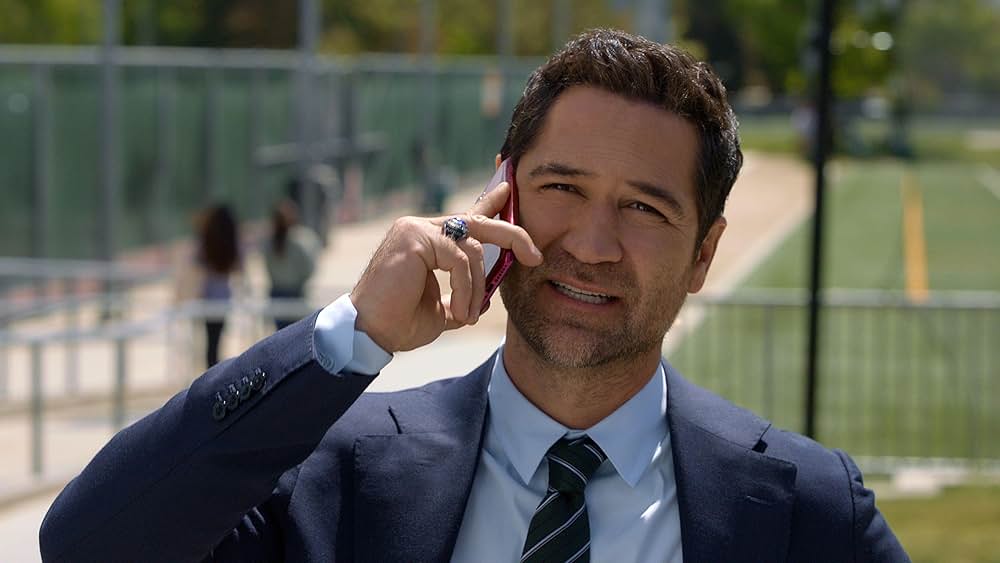
Mickey on trial: how the show flips its own formula
From the opening episodes, season 4 makes it clear that Mickey is not just fighting another client’s battle, he is the one facing the possibility of life in prison. The writers lean into the irony of the “Lincoln Lawyer” suddenly needing someone else to argue his fate, turning the courtroom into a mirror that reflects back every trick and tactic he has ever used. Earlier seasons showed him as the guy who could get clients out of jams with a clever cross or a surprise witness, but here that swagger curdles into anxiety as he watches those same moves deployed against him by the prosecution, who frame his history with Sam Scales as a pattern of grudges and motive, a dynamic that is laid out in detail when Spoiler Warning notes how his past wins now look like red flags.
The season also keeps reminding viewers that this is not just any case, it is the adaptation of Michael Connelly’s novel Law of Innocence, which is all about what happens when a defense lawyer has to live under the same cloud of suspicion he usually dismantles for others. Mickey, played by Manuel Garcia Rulfo, spends much of the season in lockup or shuttling between court and his Lincoln, and the pressure is shown slowly grinding him down as he juggles the trial, his reputation, and enemies who are now seeking revenge. The showrunner has talked about how that pressure is starting to take its toll, and the episodes lean into that, letting viewers see the cracks in his composure long before the jury comes back with its decision.
Who really killed Sam Scales, and what the verdict actually means
The central mystery of the season is straightforward on paper: who killed Sam Scales, and did Mickey have anything to do with it beyond being the guy who once got him off the hook? The finale answers the factual part cleanly. By the end of the trial, Mickey does prove that he did not murder Scales, and the jury clears him of the charges, a point that is spelled out when Does Mickey is described as being formally found not guilty. The show makes a point of separating the legal question from the emotional one, though, because even as the judge reads the verdict, Mickey is still wrestling with the fact that his earlier defense of Scales helped put a dangerous man back on the street.
The finale also widens the lens to show that the rot around the case is not just about one sleazy victim and one embattled lawyer. The same reporting that confirms Mickey’s acquittal also notes that the district attorney’s office will investigate the LAPD for how the case was handled, hinting at a broader pattern of corners cut and evidence massaged to make Mickey look guilty. That thread fits neatly with the show’s long running interest in institutional corruption, and it gives the ending a double edge: Mickey walks out of court a free man, but the system he works inside looks shakier than ever, and his own faith in it is clearly damaged.
Gazarian, Garizian, and the violent twist that changes everything
While Mickey’s trial is the spine of the season, the finale also pays off a separate but connected storyline involving a dangerous figure named Gazarian, a man whose criminal reach keeps brushing up against Mickey’s work. Earlier episodes show Mickey and his team trying to serve Gazarian with a subpoena, a move that is supposed to be routine but instead turns into a disaster when Gazarian’s own men turn on him. Their attempt to corner him ends with his unexpected death at the hands of his crew, and the chaos of that confrontation is captured in detail when Gazarian is described as being killed after his people panic and open fire.
The fallout from that scene ripples straight back into Mickey’s world. Another account of the finale notes that Garizian still held a grudge against Mickey and his associates, and that lingering resentment helps explain why the situation around the subpoena was so volatile in the first place. Even after Gazarian is dead, the threat he represents does not vanish, because his allies and enemies are still out there, and some of them are now looking at Mickey as the man who brought the whole thing crashing down. The show underlines that danger when it points out that Garizian’s people are now seeking revenge, a detail that is laid out in coverage of how Garizian still blames Mickey even after the legal dust settles.
Personal losses: Legal’s death and Maggie’s big move
Even if the jury’s decision goes Mickey’s way, the finale makes it clear that he is not walking out of season 4 unscarred. One of the most gutting blows is the death of his longtime investigator and friend, Legal, played by Elliot Gould. The show stages the reveal with brutal simplicity: Lorna goes to deliver the painful news to Mickey while he is on a break at the courthouse, telling him that Legal had a heart attack, a moment that is described in detail when Lorna is shown breaking down as she explains what happened. On the bus ride home after the trial, Mickey replays their last conversations and realizes there will be no more late night strategy sessions, no more wry asides from the man who helped him build his practice.
The season also quietly rearranges Mickey’s personal life through Maggie McPherson, his ex and frequent professional foil. By the end of the season, Maggie lands a big job at the district attorney’s office in San Diego, which means she will have to say goodbye to Mickey for now and relocate with their daughter. That shift is spelled out in a character breakdown that notes how Maggie closes the season on a professional high but a bittersweet personal note, leaving fans of the “Mickey for” romance both hopeful and frustrated. For Mickey, it is another reminder that even when he wins in court, the rest of his life has a way of slipping out of his control.
More from Vinyl and Velvet:

Leave a Reply