

Bad Bunny’s big night at the Grammy Awards was supposed to be about music history, but his time at the mic is what people are still arguing about. In a few charged sentences, he turned a career milestone into a blunt message about immigration, identity, and who gets to call themselves American. Days later, the fallout has only grown, because his speech collided with a political climate already on edge.
What he said onstage did not land in a vacuum. It arrived as his Spanish language dominance, his Puerto Rican roots, and his looming Super Bowl spotlight were already testing the limits of how much overt politics the music and sports industries are willing to carry.
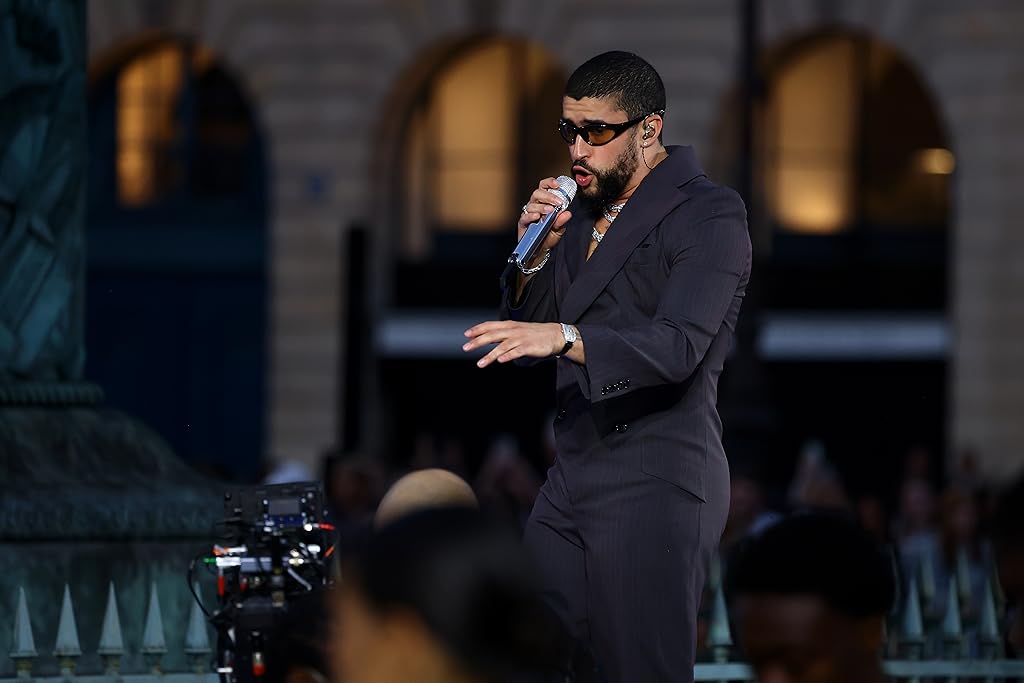
The historic win that set the stage
Before anyone dissected his words, the moment itself was huge. Bad Bunny walked up to the podium in Los Angeles as the first artist to win album of the year at the Grammy Awards with a fully Spanish language project, a breakthrough that signaled how far urbano and Latin pop have pushed into the center of mainstream culture. His victory was framed as a point of pride for Puerto Rico, with his shoutout that “Puerto Rico, believe me when I tell you, there is nothing we can’t achieve” underscoring how much this win meant beyond the charts, a sentiment captured in coverage of his historic album of the moment.
That backdrop matters, because it turned what could have been a standard thank you list into a referendum on who gets to stand at the center of American pop culture. The lyrics to “DTMF,” one of the night’s key performances, are about seeking refuge in community, and reporters noted how those words echoed through the room as he accepted his trophies. The framing of his 2026 Grammy wins as “inherently political” rested on the idea that a Puerto Rican superstar dominating the biggest categories, while singing in Spanish and centering Caribbean rhythms, already challenged old assumptions about genre, language, and power in the industry, a point underlined in analysis of how DTMF reverberated through the venue.
“ICE out” and a speech that TV could not quite contain
Once he started talking, Bad Bunny made it clear he was not going to treat the Grammys as neutral ground. While accepting the award for best música urbana album with “DeBÍ TiRAR MáS FOToS” at the Grammy Awards, he pivoted from the usual thank yous to a pointed demand, saying “ICE out” and tying his win directly to the lives of immigrants and their families. Reports on the moment describe how he used the phrase as a rallying cry against Immigration and Customs Enforcement, turning a genre trophy into a protest against detention and deportation practices, a shift captured in detailed accounts of how while accepting the award he made that call.
Television audiences did not hear everything. The end of his speech was bleeped by censors, but uncensored clips circulating online show him going further, criticizing ICE directly and tying his comments to a broader pattern of immigration crackdowns under President Donald Trump. One report framed his remarks as part of a growing backlash to how ICE has operated under As Donald Trump’s administration, which has “cracks down on immigration and amps up ICE activity, recently with lethal consequences,” and noted that he insisted “we’re not aliens” as he spoke, a line that landed as both a plea and a rebuke, according to coverage of his anti ICE message.
“We are Americans” and the fight over belonging
What really lit up social feeds, though, was not just the “ICE out” line, but his insistence on who counts as American. In one widely shared clip, Bad Bunny is seen telling the crowd, “We are Americans,” a phrase that hit especially hard coming from a Puerto Rican artist whose home is technically part of the United States yet often treated as something other. One Instagram breakdown of the moment highlighted how the Puerto Rican superstar, born Benito Antonio Martínez Ocasio, made that statement on Sunday night while accepting his award, and framed it as a direct challenge to debates over federal enforcement tactics and who is allowed to feel at home in this country, a framing captured in posts that stressed how Americans was the word that echoed.
Inside the arena, the line landed like a jolt. Another social clip noted that Bad Bunny sparked one of the loudest cheers of the night when he told the crowd that immigrants “are not aliens” and that they belong in the story of this country. That reaction, captured in posts that described how he drew a roar from the audience, showed that a significant slice of the music world was ready to back him publicly, even as critics outside the room were already accusing him of hijacking the show for politics, a tension reflected in the way one viral post described how Bad Bunny sparked that cheer.
Why the timing, and ICE specifically, hit such a nerve
The reason this speech is still being picked apart days later has a lot to do with timing. Bad Bunny’s comments came one week before he is set to headline the Super Bowl halftime show, which means his words at the Grammys are now being read as a preview of what he might do on an even bigger stage. One report on his Grammy remarks pointed out that his “ICE out” message will likely fan the flames of controversy that have already surrounded his road to halftime, describing it as a “controversy filled road” and noting that his comments will be replayed as the NFL and sponsors brace for what he might say in front of more than 100 million viewers, a dynamic laid out in coverage of how Grammy Awards night feeds into the Super Bowl.
His focus on ICE also lands in a specific political moment. As Donald Trump’s administration has intensified immigration enforcement, with ICE activity described as “amped up” and linked to lethal incidents, artists and athletes have been pushed to decide whether to stay quiet or speak out. One analysis of his speech framed it as part of a broader wave of cultural figures criticizing ICE on national broadcasts, noting that his comments came as the NFL’s own relationship to protest and politics remains fraught, and that his insistence that “we’re not aliens” was a direct response to the dehumanizing language often used in immigration debates, a context laid out in reporting that tied his remarks to the climate around ICE and enforcement.
From Grammys to Super Bowl, the culture war keeps following him
Bad Bunny’s Grammy speech is also being debated because it is not happening in isolation from his next gig. Earlier coverage of his immigration message pointed out that he sent that signal at the Grammys just days before he will step into one of music’s biggest stages at the Super Bowl, and that the same themes are likely to follow him there. One report noted that his comments came as his halftime show was already under a microscope, describing how his message on immigration at the Grammys arrived right before he performs at the NFL championship and emphasizing that the segment is one of music’s biggest stages, a connection drawn in analysis of how he used the Grammys to send a message on immigration.
More from Vinyl and Velvet:

Leave a Reply