

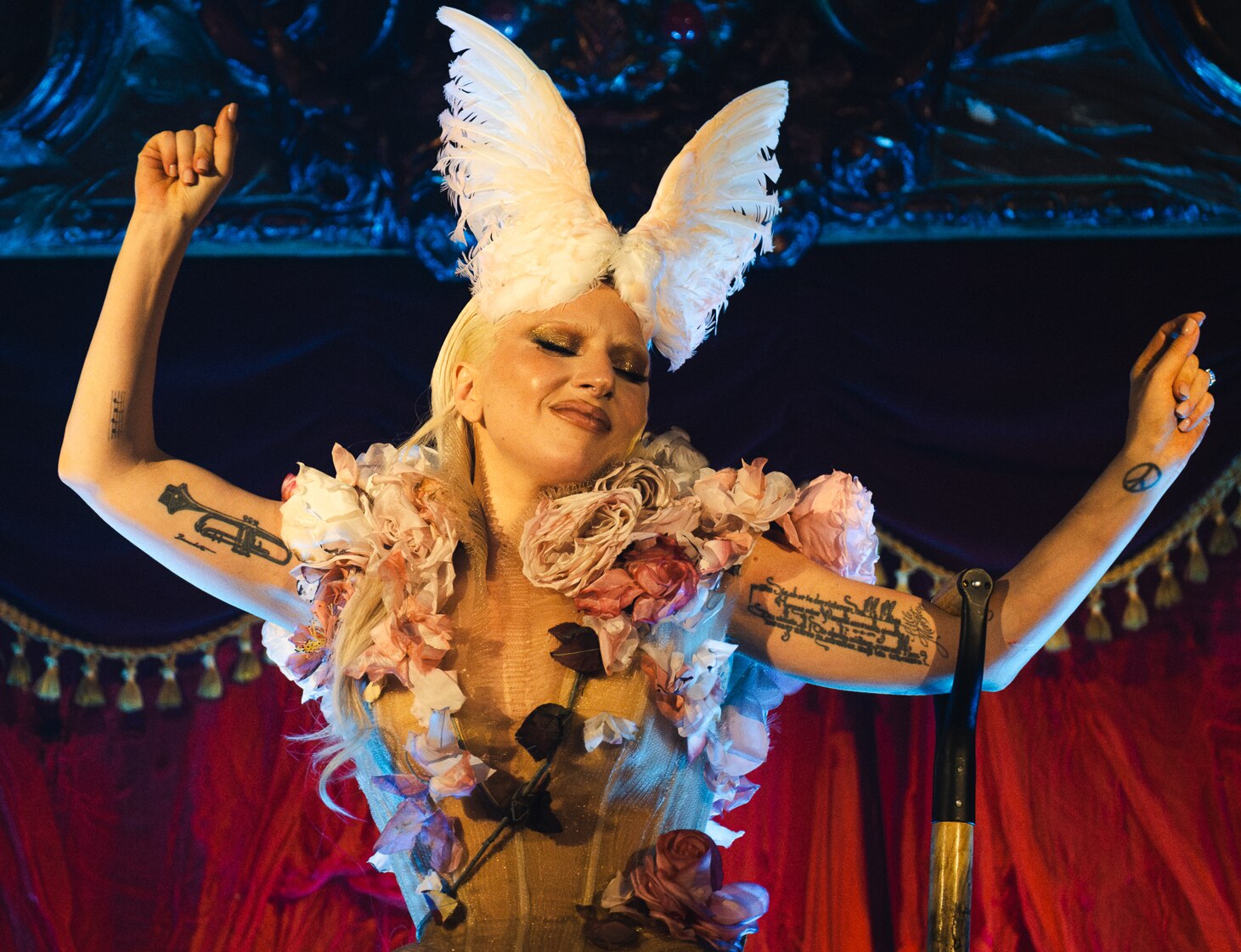
Lady Gaga’s latest Grammys spectacle was always going to light up social media, but even by her standards the reaction was volcanic. After she tore into a rock-heavy version of “Abracadabra” on music’s biggest stage, conservative commentators and MAGA influencers rushed online to brand the performance “demonic,” turning a four-minute set into a full-blown culture-war skirmish.
While the crowd inside the arena roared and much of the internet cheered, a vocal slice of the right treated Gaga’s theatrics as proof that the Grammys have gone off the rails. Their outrage says as much about the current state of conservative media as it does about a 39-year-old pop star in an upside-down basket hat.
The performance that lit the fuse
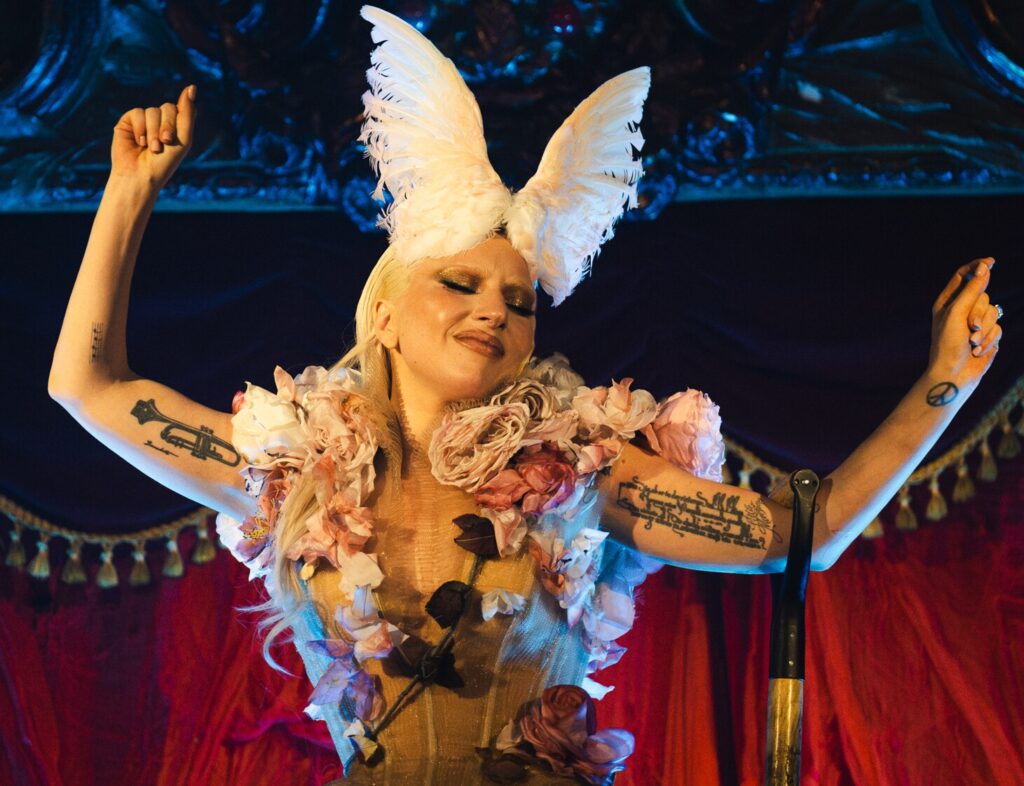
On Grammy night, the 39-year-old singer leaned hard into spectacle, unveiling a rock version of her hit “Abracadabra” that swapped sleek pop polish for crunching guitars and snarling vocals. Cameras caught her stalking the stage in elaborate bird-inspired styling, a look that kept the avian theme running from the red carpet straight through the performance and that was highlighted in backstage coverage of Lady Gaga. The set aired as part of the 2026 Grammy Awards broadcast that went out live on CBS and streamed on Paramount, positioning her in the center of a night already packed with high-wattage names.
The show itself was framed as What to Know Grammys, with MUSIC and BIGGEST billed in breathless promos as the industry’s defining moment of the year. Within that lineup, Gaga’s slot was treated as a marquee event, and coverage afterward emphasized that she delivered a “rock-ified” take on “Abracadabra” that pushed her vocals into rougher territory while still leaning on the kind of theatrical staging that has defined her career, a shift detailed in reports on Lady Gaga Performs the song at the Grammys.
Inside Gaga’s strange, witchy staging
Visually, the performance was pure Gaga, a mix of high fashion, performance art, and deliberate weirdness. One broadcast recap described how she jammed to “Abracadabra” behind what looked like “Satan’s DJ booth,” her head encased in an upside down basket that instantly joined the meat dress in her personal hall of fame, a detail that came through in coverage of the Proudly weird Lady Gaga moment. Blinding white lights flickered across the stage as she sang, a choice that reviewers said made the set feel like a cage of light, echoing commentary that “Blinding” flashes and tight framing underscored the performance’s trapped-bird motif, as described in a detailed breakdown of Blinding stagecraft.
Behind the scenes, the performance almost did not happen. Gaga later revealed that she came close to pulling out of the show a few weeks before, explaining that she needed more time to rehearse the “Abracadabra” staging and get the rock arrangement right, a near-cancellation that was flagged in a NEED TO KNOW note about how she almost walked away. Instead, she doubled down, working the song into a full rock showpiece that some viewers compared to a metal club gig, a reaction that echoed posts in a fan forum where users raved that Lady Gaga performing a rock and metal version of “Abracadabra” at the Grammys “slaps.”
How the MAGA outrage machine spun it as ‘demonic’
Inside the arena, the reaction was straightforward: the crowd seemed captivated, and fans watching at home flooded timelines with praise for the performance. But on the MAGA internet, the same staging that read as camp and theater to pop fans was quickly recast as evidence of spiritual decay, with conservative users branding the set “demonic” and accusing Gaga of “hating America,” a backlash captured in reports that noted how Gaga was suddenly the latest target. One viral post shared a still of her behind the so-called Satan’s DJ booth and declared the Grammys “too woke for my taste,” while others folded her performance into a broader narrative that the show had become a “political circus,” echoing complaints from Viewers of the Grammy Awards who said they switched off over what they saw as heavy-handed messaging.
The “demonic” label did not come out of nowhere. For years, a subset of conservative and religious commentators has treated pop spectacle as coded Satanism, and Gaga has been in their crosshairs before. In one Facebook thread, a user lumped her into a rant about the “2025 Grammys” that name-checked “shiva, demons, lady boy Gaga, singing a song called ‘abracadabra’ witchcraft, clowns, pyramids” before urging followers to “TURN TO JESUS NOW!!!!,” a cascade of accusations preserved in a post about the Grammys and Gaga’s supposed witchcraft. On Reddit, fans have even joked about this pattern, with one “Comments Section” thread on her Coachella set mocking the idea that “anything with red lighting is satanic atp” and another user quipping “Gothic=Sata” as shorthand for how quickly dark aesthetics get labeled evil, a dynamic spelled out in a discussion tagged Comments Section that poked fun at the demonic discourse.
Culture war Grammys and the ‘too woke’ narrative
The fury over Gaga’s set also plugged neatly into a broader conservative storyline about the Grammys being hopelessly “woke.” Right-leaning commentators spent the night complaining that the ceremony had become a “political circus,” pointing to speeches and themed performances as proof that the show was more about ideology than music, a refrain that matched accounts of Grammy Awards viewers who said they switched off in frustration. In that framing, Gaga’s birdcage lights and Satan’s DJ booth were not just weird art choices, they were symbols of an entertainment industry that, in conservative eyes, has abandoned traditional values for shock and provocation.
Yet the industry itself clearly did not see her as a fringe figure. Gaga was nominated for seven awards at this year’s Grammys, including Album of the Year and Song of the Year, a haul that underscored how central she remains to the mainstream pop conversation, as noted in coverage that spelled out how Gaga stacked up in the nominations. Fans online responded to the backlash by celebrating her risk-taking and sharing clips of her hammering the keyboard as she sang, a detail that appeared in reports describing how Gaga fans hit back at critics. For them, the performance was not a satanic ritual, it was a reminder that one of pop’s biggest stars is still willing to get weird on a stage that often rewards safe choices.
Why Gaga keeps drawing this kind of fire
Part of why Gaga attracts such intense reactions is that she plays in the exact visual language that conspiracy-minded corners of the right love to misread. Upside down props, birdcage imagery, and references to magic in a song called “Abracadabra” are catnip for people already primed to see occult symbolism in every awards show. One recap even described her as “Proudly weird,” a phrase that captures how she leans into that discomfort, and the same coverage that mentioned her behind “Satan’s DJ booth” also noted that the bit went on for a while, reinforcing that she is not interested in toning down her instincts to appease critics, as seen in the write-up that called her a Lady Gaga who is proudly strange.
At the same time, the Grammys platform magnifies every choice. Gaga’s rock turn on “Abracadabra” was not a club one-off, it was a centerpiece of a telecast that networks like CBS and platforms like Paramount sell as MUSIC’S BIGGEST night, and that scale guarantees that every frame will be screenshotted and litigated. Clips of her debuting the rock version circulated widely, including official uploads that highlighted how Lady Gaga brought her magic to the Grammy stage, while fan edits zoomed in on the bird motifs and the DJ booth. In that environment, a performance can be both a creative high point and raw material for outrage merchants, and Gaga, who has built a career on walking that tightrope, seems unlikely to step off it any time soon.
More from Vinyl and Velvet:

Leave a Reply