

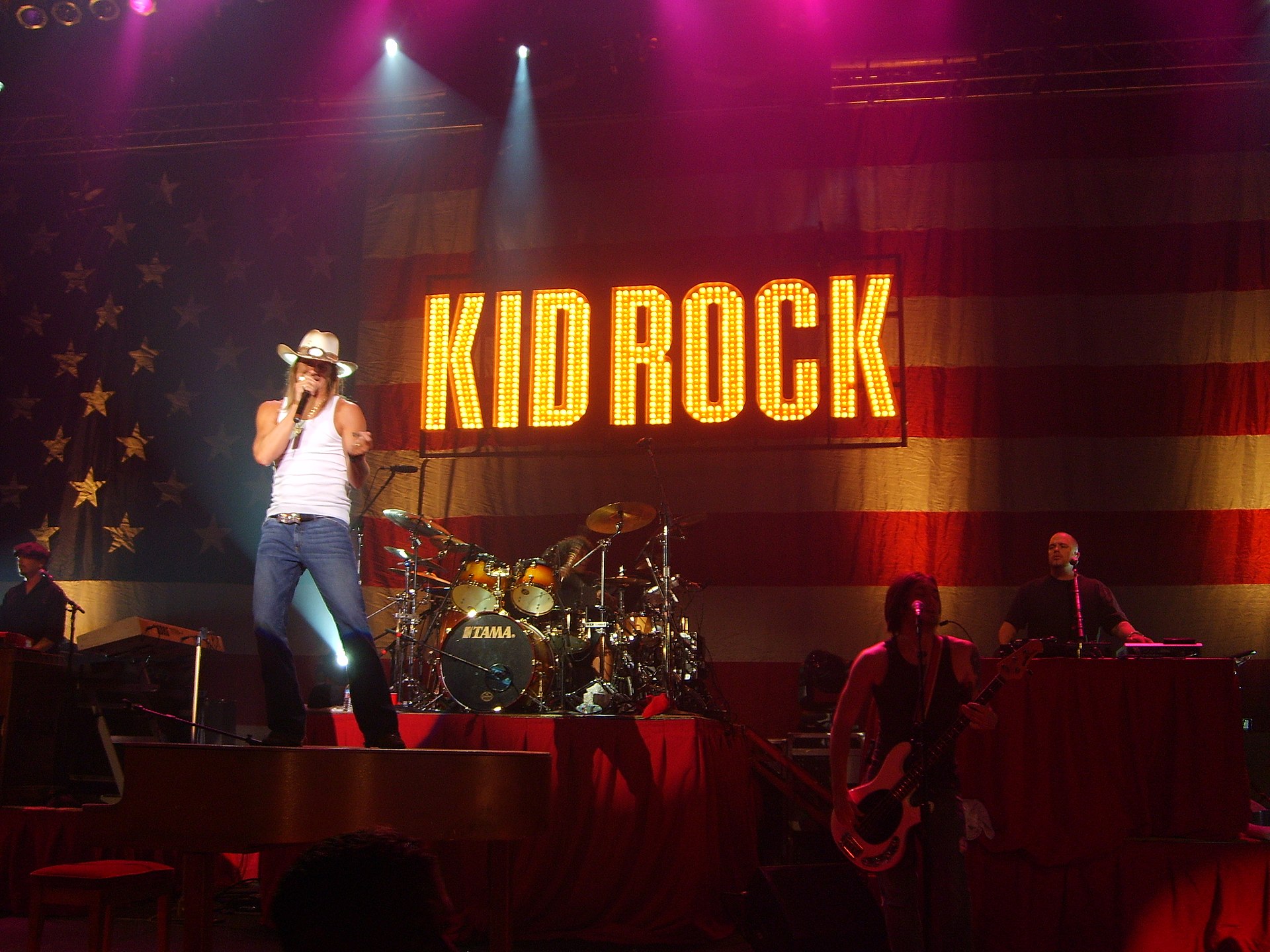
Kid Rock has never been shy about saying exactly what he thinks, and this Grammy season he aimed straight at what he sees as the show’s politics. In a new run of comments, the rocker blasted the awards as a hangout for people with a “woke mind virus” and positioned himself as the antidote, leaning into a culture war that now runs straight through pop music’s biggest night. His timing is no accident, coming as he gears up for a high-profile conservative halftime gig and as viewers argue over whether the Grammys have turned into a political rally.
His remarks land at the intersection of two big storylines: a Grammy ceremony packed with pointed messages and a parallel entertainment universe building its own stages for fans who feel shut out. Kid Rock is betting that frustration with “woke” branding is strong enough to power an alternate show, and he is using the Grammys as his foil.
Kid Rock’s “woke mind virus” broadside
Kid Rock’s latest volley started with a blunt dismissal of the Grammys as a “gathering for people with the woke mind virus,” a phrase he used while previewing his next big performance. He argued that the event, which bills itself as “Music’s Biggest” night, has drifted away from the kind of artists he grew up admiring and toward a room full of insiders congratulating each other for the right politics. In his telling, the show is less about songs and more about signaling, a place where, as he put it, he wants “nothing to do” with the crowd that now fills the seats.
Those comments came as he promoted his role with Turning Point, describing how the Grammys, in his view, have become a symbol of an industry captured by a narrow ideology. He framed the ceremony as a club for people infected with what he calls a cultural “virus,” contrasting that with his own fan base and the audiences he expects at the Turning Point event. In that conversation he cast the Grammys and similar shows as out of touch with everyday listeners, saying the people in that room are not the ones who made him or his peers successful in the first place.
Turning Point’s All American Halftime Show as a counter-program
At the center of Kid Rock’s pushback is his headlining slot at Turning Point’s All American Halftime Show, which he is openly pitching as an alternative to the usual pop spectacle. As Headliner Kid Rock described it, the Turning Point production is meant to feel like a throwback to when rock, country, and heartland rap dominated jukeboxes and tailgate parties, not curated playlists in coastal boardrooms. He has talked up the show as a place where fans who are tired of being lectured can just enjoy a loud, unapologetic performance without worrying about whether every lyric passes a political purity test.
He has also leaned on the idea that this All American Halftime Show is a kind of cultural refuge, a space where people who roll their eyes at the Grammys can gather instead. In interviews he has said he wants “nothing to do” with the crowd he sees at the Grammys and everything to do with the Turning Point audience that he believes still loves guitars, beer, and blunt talk. In one appearance, Headliner Kid Rock previewed how the Turning Point event would lean into that identity, describing it as a patriotic, high-energy answer to what he sees as a sanitized mainstream show that has forgotten the bar-band roots of American music.
From Billie Eilish to “look into Jesus”: his culture-war targets
Kid Rock’s Grammy critique has not been limited to the institution itself, it has also zeroed in on specific artists and performances that he sees as emblematic of the “woke” turn. He singled out Billie Eilish, calling her “sad” and urging her to “look into Jesus, girl,” a line that instantly lit up social media. In that same conversation, Kid Rock Calls Out what he described as a Woke Grammys During a Podcast Appearance, arguing that the show now rewards artists who lean into a particular worldview rather than those who simply connect with listeners.
He has used Eilish as shorthand for a broader frustration with younger stars who mix activism and art in ways that clash with his sensibilities. In one retelling, Kid Rock Slams Sad Billie Eilish Tells Her To Look Into Jesus as part of a larger complaint that the Grammys platform has become a pulpit for a “woke” agenda. Another account of the exchange noted that he has a long history of railing against what he sees as that agenda, tying his latest comments about Eilish and the Grammys to earlier fights over protests, policing, and cultural symbols.
His rhetoric has also dipped into darker territory, with one report recalling how Kid Rock is not a fan of Billie Eilish and linking his criticism of her Grammy presence to his broader warnings about crime and unrest, including references to “their raids on US cities.” That framing folds pop stars, progressive politics, and street violence into a single narrative of decline, which he then contrasts with his own call for people to “look into Jesus” and return to what he casts as traditional values.
How viewers saw the 2026 Grammy Awards
Kid Rock’s attack on the Grammys landed in a year when plenty of viewers were already grumbling about the show’s tone. Viewers of the Grammy Awards complained that the 2026 ceremony felt like a “political circus,” with several performances built around explicit messages on hot-button issues. Some audience members said they switched off mid-show, frustrated that what they expected to be a night of music kept veering into speeches and symbolism that sounded more like a campaign rally than an awards broadcast.
Those reactions gave Kid Rock fresh ammunition. When he described the Grammys as a gathering for people with a “woke mind virus,” he was tapping into the same fatigue that led some fans to bail on the telecast. Reports on the Grammy Awards 2026 viewers raged that the ceremony leaned too hard into one side of the culture war, reinforcing his claim that the industry’s biggest stage no longer reflects the full spectrum of listeners. Even people who do not share his politics could recognize the disconnect between a heavily messaged show and an audience that increasingly wants to curate its own experience at home.
Jelly Roll, MAGA backlash, and Kid Rock’s lane
Kid Rock’s comments also arrived as another country-leaning star, Jelly Roll, found himself in the crosshairs over his own Grammy moment. Jelly Roll delivered a speech that some critics labeled “very MAGA,” prompting a wave of backlash and calls for the industry to distance itself from anything that sounded too aligned with President Donald Trump’s base. Coverage of the fallout noted that Kid Rock slams Grammys and Jelly Roll MAGA Grammys in the same breath, framing both as part of a larger fight over who gets to speak freely on that stage and who is told to tone it down.
In that environment, Kid Rock’s decision to plant his flag outside the Grammy system looks less like a random outburst and more like a deliberate branding move. By mocking the Grammys and claiming the show is for people with a “woke mind virus,” he positions himself as the guy who will say what others in his lane might be thinking but are too cautious to voice. One account of his remarks noted that Kid Rock slams Grammys and claims it is for people with woke mind virus while also pitching his Turning Point halftime gig as an “alternate Super Bowl halftime show,” a direct appeal to fans who feel their tastes and politics are being squeezed out of mainstream entertainment.
More from Vinyl and Velvet:

Leave a Reply