

Halle Berry’s historic Oscar win was supposed to be a turning point, not just for her but for Hollywood. Instead, she says, the morning after the statue landed on her mantel, the industry still treated her like the same Black woman it had always struggled to fully see. Her blunt reflection cuts through the red-carpet mythology and forces a harder look at what awards actually change, and what they stubbornly do not.
Berry is not walking back the emotion of that night or the pride she still feels in the work. She is, however, stripping away the fantasy that one golden trophy could bulldoze decades of bias, especially for Black women at the center of serious, adult stories. The gap between the promise she believed in and the reality she lived through is where her latest comments hit the hardest.
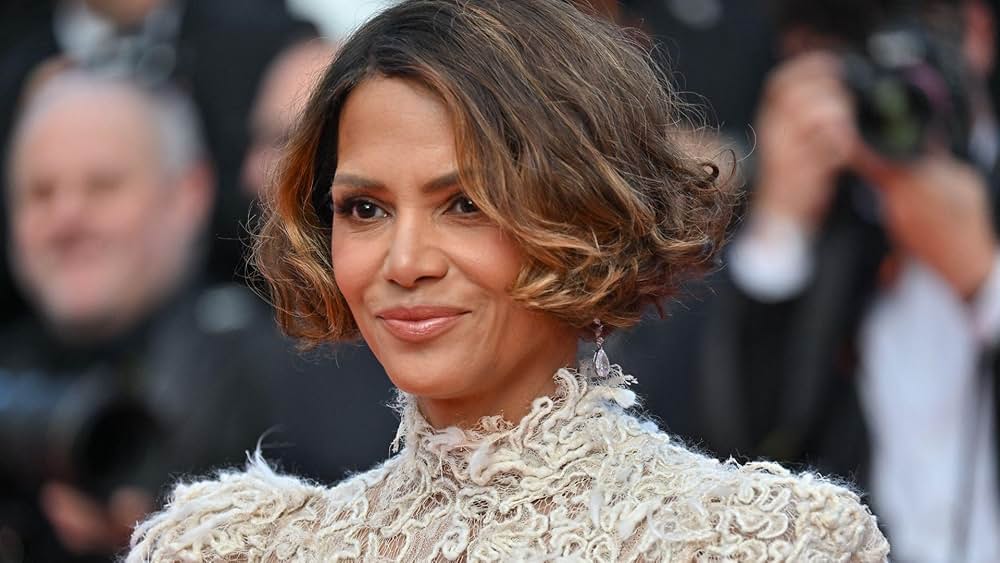
From history-making high to a hard landing
When Halle Berry accepted her Academy Award for her performance in “Monster’s Ball,” she became the first Black woman to win best actress, a milestone that was framed as a breakthrough for the entire industry. In the moment, she believed it too, telling the room that the door had been opened for others to follow. Years later, she has been clear that the win did not magically transform her career, with one recent interview noting that the Academy Award did not deliver the wave of rich, varied offers many assumed would flood in.
Berry has described waking up after the ceremony and realizing that the business had not shifted around her, despite the history she had just made. In a new conversation, she put it in the starkest possible terms, saying she was still Black the next morning and that studios still saw stories led by Black women as a financial risk. That disconnect between the symbolic power of her win and the limited practical impact on her opportunities has been echoed in coverage that notes how her historic Oscar did not rewrite the rules of casting or greenlighting in Hollywood.
“I was still Black the next morning” and what she meant
Berry’s line about being “still Black the next morning” is not a throwaway quip, it is a diagnosis of how deep the industry’s habits run. She has explained that she expected a “fundamental” shift after such a visible achievement, only to find that the same narrow assumptions about what “Black movies” could sell were still driving decisions. In her telling, executives continued to treat Black-led dramas as niche, a pattern that later reporting linked to the long gap before another best actress nomination for a Black woman and to the slow recognition of films like Steve McQueen’s “12 Years a Slave,” which she cited when discussing how Hollywood values certain stories.
Her frustration is not new, but it has sharpened over time. Earlier reflections have her recalling that when you have a historic win like that, you assume the doors will swing open, only to discover that the scripts arriving at your door look eerily similar to the ones you were getting before. She has tied that disappointment to a broader lack of opportunities for Black women in prestige projects, a point she made while also revisiting the fallout from “Catwoman” and the way one high-profile flop was used to question her bankability, as detailed in a past interview.
The weight of that 2002 speech
Part of why Berry’s current candor stings is that her acceptance speech has lived for years as a kind of manifesto. On that stage, she dedicated the moment to every unnamed Black actress before and after her, suggesting that the barrier had finally cracked. She has since called it “heartbreaking” to look back and realize that the flood of opportunity she imagined never came, noting that the industry’s diversity battles, including high-profile calls for boycotts, made it painfully clear how little had structurally changed since she first held the statue, a reality captured in earlier coverage of the race row around the awards.
That emotional whiplash, from tearful hope to public disappointment, has turned Berry into a reluctant barometer for the Academy’s progress. She has said she is still proud of the work and of the recognition, but she no longer pretends that one trophy can fix an ecosystem that keeps defaulting to the same faces and stories. Her more recent comments, including the blunt admission that the win did not necessarily change the course of her career, underline how much pressure was placed on a single night to do the work of long term reform, a point she reiterated when she said Berry once believed that moment would open the door for others.
Advice to Cynthia Erivo and the myth of the career-making Oscar
Berry is now in the position of counseling a new generation of actors who are walking into the same awards machine she once trusted. She has spoken about conversations with Cynthia Erivo, who is in the thick of her own awards season, and how she felt compelled to tell her that the statue itself is not a magic key. In that exchange, she reportedly said, “That Oscar didn’t necessarily change the course of my career,” and admitted that after she won it, she thought there was going to be a wave of roles that never quite materialized, a reality she shared while reflecting on Oscars and expectations.
Her advice to Erivo is less about dampening ambition and more about managing the emotional fallout when the industry does not live up to its speeches. Berry has also talked about how she is “wildly proud” of her Oscar, but clear-eyed about what it did and did not do for her day-to-day work life. In a recent profile, she unpacked how the award changed her public image more than her access to complex roles, a nuance captured in coverage that framed her reflections under the idea that Halle Berry Is still sorting out what that night really meant for her acting career.
Rewriting the narrative on what “counts” as change
Berry’s latest round of honesty is landing at a moment when she is once again front and center in a major project, this time a thriller titled “Crime 101.” She is set to star in the adaptation, which has been highlighted in coverage of her upcoming slate and in listings for Crime 101 that position it as a high profile return to the kind of tense, adult storytelling she has long championed. In interviews tied to that release, she has doubled down on the idea that the real measure of progress is not a single award but a sustained pipeline of roles, directors, and stories that treat Black women as central, not exceptional.
She has also been explicit about how she processed the gap between expectation and reality. In one account of her recent sit down with The Cut for a profile ahead of “Crime 101,” she is quoted saying, “That Oscar didn’t necessarily change the course of my career,” and reflecting on how the industry still wanted to tell only part of her story, a sentiment captured in a piece noting that Halle Berry felt the award did not unlock the whole narrative she was capable of playing.
More from Vinyl and Velvet:

Leave a Reply