

Donald Trump Jr is turning the Super Bowl halftime debate into a culture-war doubleheader, mocking Bad Bunny as “Woke Bunny” while hyping Turning Point USA’s rival “All-American Halftime Show.” His jab lands right as the conservative group rolls out a lineup built around Kid Rock and country stars, pitched as a patriotic alternative to the NFL’s choice. The clash is less about who plays the bigger hits and more about whose values get center stage during the most watched TV event of the year.
At the heart of it is a simple split screen: Bad Bunny, the global reggaeton powerhouse tapped by the league, on one side, and a flag-waving slate of rock and country acts on the other. Trump Jr is betting that plenty of viewers would rather stream the latter than sit through what he frames as a politically loaded performance from the Puerto Rican star.
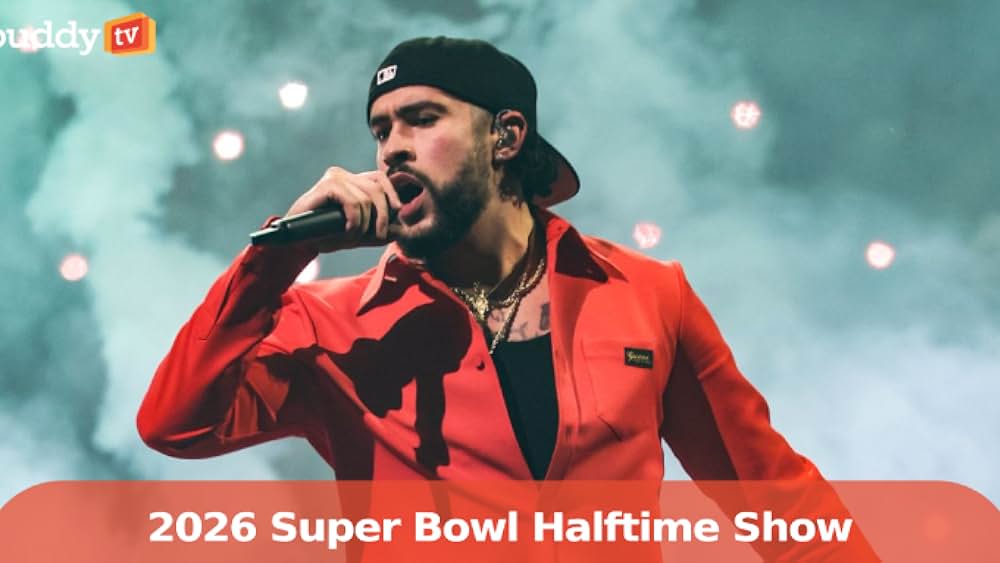
Trump Jr’s “Woke Bunny” swipe turns a booking into a culture fight
Donald Trump Jr’s latest volley started with a nickname. In clips shared around conservative media, he derided Bad Bunny as “Woke Bunny” and said he would “take this” Turning Point USA show over the NFL’s pick any day, framing the league’s decision as another example of entertainment drifting left. His comments came after Bad Bunny, whose full name is Benito Antonio Martínez Ocasio, used the Grammys stage to call out the United States government, a moment that cemented him as a political lightning rod as much as a chart-topping performer. For Trump Jr, that speech was proof that the halftime headliner is not just a musician but a symbol of a broader “woke” agenda he wants his audience to reject.
His critique plugs neatly into a conservative narrative that the NFL has lost touch with its core fans. In one interview, he pointed to Bad Bunny’s activism and identity politics as “many reasons” why he is not the kind of act traditional football viewers want to see, casting the reggaeton star’s persona as a provocation rather than a unifier. That framing echoes a wider backlash that has followed Martínez Ocasio into every major stage he steps on, from award shows to the Super Bowl spotlight.
Bad Bunny’s Super Bowl slot was already a political lightning rod
Even before Trump Jr weighed in, the NFL’s decision to hand Bad Bunny the 2026 Super Bowl halftime show had split opinion. President Donald Trump blasted the league’s call as “crazy” and “absolutely ridiculous,” arguing that picking the Puerto Rican star for the Super Bowl was another sign the NFL is chasing politics instead of football. That criticism landed on top of warnings from a Trump adviser that ICE agents would be present at the 2026 game, a claim that turned the halftime show into part of a broader SUPER BOWL CONTROVERSY over immigration enforcement and fan safety.
Inside the league, the choice has not been universally loved either. An unnamed AFC offensive player told The Athletic he did not like Bad Bunny as the face of the show, a sentiment that surfaced in a wider conversation about whether the league is listening to its locker rooms and fan base. NFL commissioner Roger Goodell has tried to calm the waters, promising an “exciting and unifying” show and hinting that other artists could join the lineup, but the pushback has already given conservatives a clear foil.
TPUSA’s “All-American Halftime Show” builds a rival stage
Into that storm stepped Turning Point USA, the conservative youth group that has steadily grown into a media and events machine. On its official site, TPUSA has long pitched itself as a home for unapologetically conservative students, and now it is extending that brand into Super Bowl Sunday. The group confirmed it is launching “The All-American Halftime Show,” a faith and patriotism focused broadcast set to air during the game’s mid-break, not as a boycott but as an alternative for viewers who want something different.
The group’s political arm framed the move in all-caps fanfare, announcing that Turning Point USA Announces an “All-American Halftime Show” to “Compete With Bad Bunny” and the NFL. The message was blunt: if the league wants to lean into global pop and progressive politics, conservatives will build their own stage. That framing turns what could have been a niche livestream into a statement about who owns the cultural real estate of The Super Bowl.
Kid Rock and country stars front a proudly “patriotic” lineup
To make that statement land, TPUSA needed more than rhetoric, it needed names that signal a clear identity. It delivered by putting Kid Rock at the top of the bill, with the rocker promoted as Headlining the Turning Point USA Super Bowl Halftime Show. The rest of the slate leans heavily into Nashville, with Brantley Gilbert, Lee Brice and Gabby Barrett rounding out what organizers describe as a distinctly patriotic and country infused program “for folks who love America.” That pitch, reported in detail as the lineup dropped, leaves no doubt about the target audience.
On social media, the group blasted out graphics declaring “THE LINEUP FOR THE ALL-AMERICAN HALFTIME SHOW IS HERE,” urging fans to watch Kid Rock, Brantley Gilbert, Lee Brice and Gabby Barrett “THIS SUNDAY” as a kind of musical counterprogramming. That all caps rollout, shared on THE LINEUP announcement, was followed by more detailed rundowns explaining that the Turning Point USA All-American Halftime Show would feature Kid Rock, Brantley Gilbert and Gabby Barrett as part of a roster unveiled by Turning Point USA. Another breakdown highlighted that the Halftime Show Performers Include a Big Trump Supporter and an American Idol Contestant, underscoring how closely the music is tied to the movement’s political brand through Halftime Show Performers messaging.
“I’ll take this over Woke Bunny”: identity politics in two playlists
Trump Jr’s “I’ll take this over Woke Bunny” line is not just a throwaway insult, it is a thesis statement about what he thinks halftime should look like. One analysis of the moment argued that if you strip everything down, the fight is not really about Bad Bunny or Kid Rock, it is about identity, with conservatives and progressives drawing very different conclusions from the same booking decisions. That framing, captured in a piece noting how fans weigh Strip Bad Bunny against Kid Rock, helps explain why a halftime show has become a proxy battle over patriotism, race, language and what “real America” supposedly listens to.
More from Vinyl and Velvet:

Leave a Reply