

Lily Allen has never exactly been shy about her feelings, but with her album West End Girl she has turned raw anger into the main engine of the music. She has described the project as being powered by rage, treating it less as a messy problem and more as a tool she could sharpen. That fury, aimed squarely at the breakdown of her marriage and the expectations placed on women, has ended up resonating far beyond her own story.
What makes Allen’s latest chapter so compelling is the tension at its core: she insists she is no longer confused or vengeful, even as the songs crackle with hurt. The result is a record that treats rage as both a survival instinct and a creative resource, and that double edge is exactly what has turned West End Girl into one of her most talked‑about releases.
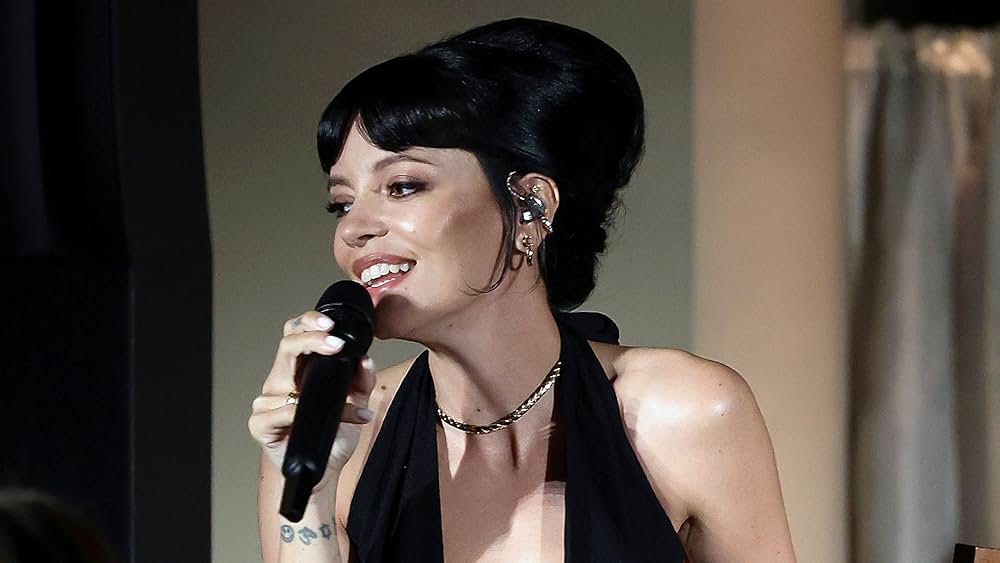
Turning heartbreak into a concept album of rage
At the center of West End Girl is a very specific rupture: the Breakdown of Her to David Harbour. Multiple reports have tied the album’s scathing lyrics directly to that split, framing the record as Allen’s attempt to process the end of a relationship that had been presented as a long‑term, almost storybook partnership. Instead of hiding behind vague metaphors, she leans into the specifics of betrayal and disappointment, which gives the songs their sting.
On one track, she sings, “Course I’m angry, course I’m hurt / Looking back at it’s so absurd,” a line that captures the whiplash of realizing how much she tolerated while trying to keep the peace. Those words, pulled from a song that also includes the admission “Course I trusted you and took you at your worst,” underline just how directly the album speaks to that Course of anger and self‑reassessment. It is not subtle, and that is the point: Allen is done sanding down the edges of her experience to make it more palatable.
“Rage is powerful,” but she says the album is not cruel
Allen has been clear that she sees fury as a kind of fuel, talking about how she has effectively weaponised her own anger to drive the writing on West End Girl. Commentators have noted that Allen has tapped into a broader cultural moment, one where women are increasingly unwilling to pretend they are fine for the sake of keeping everyone else comfortable. In that context, her insistence that “rage is powerful” lands less like a confession and more like a thesis statement for the whole project.
At the same time, she has pushed back on the idea that the record is some kind of scorched‑earth revenge fantasy. In interviews, Lily Allen has stressed that West End Girl is “not a cruel album,” saying she no longer feels “confused or angry” about the circumstances that inspired it and does not need revenge. Another account of those comments notes that she repeated that West End Girl is not about punishing anyone, but about documenting what it felt like to live through that emotional storm.
Writing fast, from a place of desperation
Part of what gives the album its jagged energy is how quickly it came together. Allen has said she wrote and recorded West End Girl in just 10 days in December 2024, describing the process as capturing the feelings she was processing in real time. One report on those sessions notes that Allen saw the songs as a snapshot of a particular emotional state rather than a carefully plotted commercial rollout.
She has gone even further in describing the headspace she was in while making it. In one interview, she said that creating West End Girl felt more like an “Act of Desperation” than a polished “Commercial Endeavor,” a line that underlines just how personal the project was for her. That framing, captured in coverage of how Lily Allen Says a last‑ditch emotional outlet, helps explain why the record sounds so unvarnished. She was not trying to chase radio trends; she was trying to get through the day.
Weaponised female rage and the “Miss Me?” effect
Allen’s decision to lean into anger did not happen in a vacuum. Over the past few years she has built a reputation for radical openness, not just in her music but in other projects like her hit podcast Miss Me. That same instinct shows up on West End Girl, where she channels what one critic described as a deep vein of female anger about having to pretend to be fine with situations that are anything but. The album feels plugged into that collective mood, which is part of why listeners have latched onto it so fiercely.
Commentary around the record has framed 2025 as the year Allen fully “weaponised” that rage, not just expressing it but using it as a narrative device. The songs do not simply vent; they interrogate the social scripts that told her to stay quiet, to be accommodating, to smooth things over. In doing so, they invite listeners, especially women, to question where they have been swallowing their own anger to keep relationships or workplaces running smoothly.
From private split to public narrative
As much as West End Girl is about Allen’s internal world, it is also about how a private breakup becomes public property when you are famous. Multiple sources have confirmed that the Scathing Lyrics were inspired by the end of her marriage to David Harbour, and that she was determined to shape the story on her own terms for herself and her girls. That choice turns the album into a kind of counter‑narrative, a way of reclaiming agency in a situation where gossip and speculation could easily have taken over.
Allen has also been candid about the emotional complexity of that process on social media. In a widely shared Instagram post, one caption noted that Such is the case with Allen as she navigates every shade of emotion while processing her split from her alleged lifelong partner. The post described her exploring grief, anger and acceptance as the album was unveiled, underlining how closely the rollout of West End Girl was tied to the real‑time evolution of her feelings.
More from Vinyl and Velvet:

Leave a Reply