

Rock radio in 1978 was packed tight with anthems that still rule classic playlists, yet a surprising number of genuine hits have slipped out of the collective memory. Tucked between the stadium staples are songs that once charted, toured, and soundtracked late‑night drives, only to fade while their peers became permanent fixtures. Three of those tracks, all from heavy hitters of the era, deserve a louder spot in the conversation.
These are not obscure deep cuts, but singles that carried real weight at the time and still hold up when played next to the usual rotation. From sleek arena rock to hard‑edged disco and moody soft rock, they show how wide the 1978 sound really was. Replaying them now is less about nostalgia and more about correcting the record on what that year in rock actually sounded like.
Foreigner’s “Blue Morning, Blue Day” Should Be Ubiquitous
Foreigner spent the late seventies stacking hits, yet “Blue Morning, Blue Day” has quietly drifted into the background while songs like “Hot Blooded” and “Feels Like the First Time” keep getting the spotlight. The track is a tight, radio‑ready slice of late‑seventies rock, built on a brooding guitar figure and Lou Gramm’s wounded vocal, the kind of thing that should still be a go‑to for programmers looking for something familiar but not overplayed. Reporting on forgotten rock singles from that year points out that Blue Morning, Blue came from a band, Foreigner, that “dished out a few hits in 1978,” yet this one still ended up on a list of somewhat forgotten rock songs.
Part of the reason it slips people’s minds is that it leans into the more atmospheric side of the group, rather than the chest‑thumping choruses that classic rock radio loves. The same coverage notes that the song sits on the “moody side” of Foreigner tracks, which might explain why it gets edged out when programmers want instant sing‑along energy. Still, that tension between hook and gloom is exactly what makes it feel fresh now, especially next to more straightforward arena rock from the same era.
Heart’s “Straight On” Nails Hard Rock Disco
Heart is rightly remembered for big ballads and guitar‑driven rock, but “Straight On” shows the band playing with groove in a way that feels oddly modern. The song rides a slinky bass line and a four‑on‑the‑floor pulse, while Ann Wilson’s vocal keeps it firmly in rock territory, a blend that one critic called “a good little hard rock disco tune.” That description comes from a retrospective that insisted at least one Heart song had to be on a list of under‑appreciated 1978 hits, singling out Straight On from the album Dog & Butter as the standout.
What makes the song so striking now is how comfortably it sits between genres that were supposedly at war at the time. While rock fans were busy burning disco records, Heart was quietly folding that rhythmic sensibility into their own sound, without losing the bite that defined their earlier work. Coverage of overlooked rock singles from that year notes that the writer “had to include at least one Heart song” and landed on Heart for exactly this track, arguing that its hybrid of hard rock and dancefloor swing deserves more recognition than it usually gets.
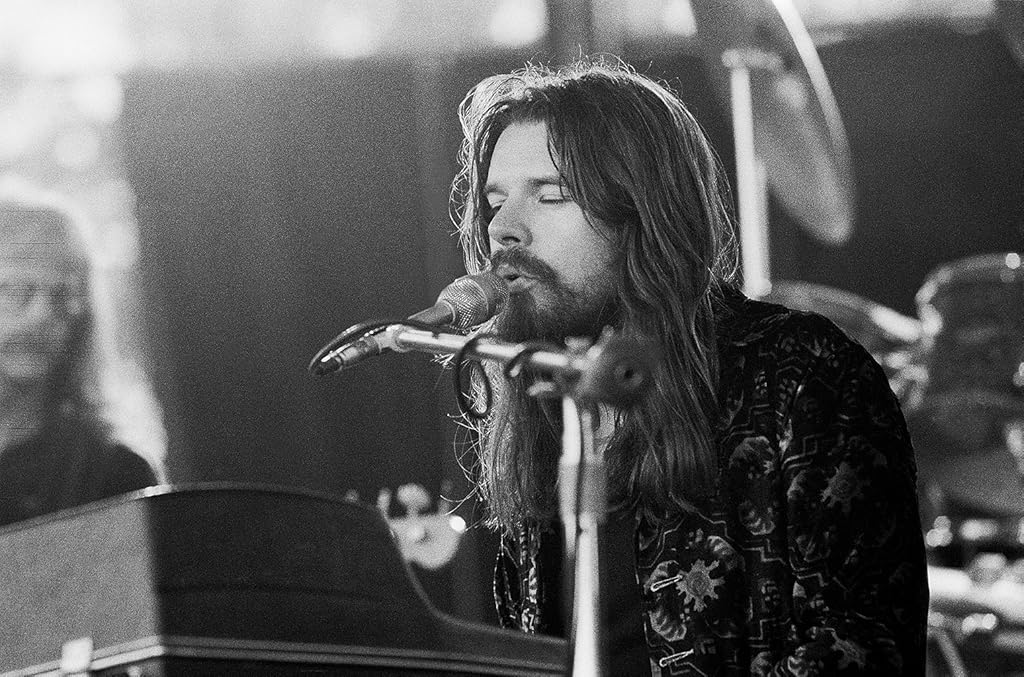
Bob Seger’s “Still The Same” Was Built For No. 1
Bob Seger’s catalog is full of songs that feel like they have always been there, yet “Still The Same” somehow sits a step behind “Night Moves” and “Against the Wind” in the public imagination. That is odd, because the single has all the ingredients of a chart‑topper: a mid‑tempo groove, a bittersweet lyric about a charming but unreliable figure, and Seger’s unmistakable rasp cutting through the mix. A later assessment of 1978 singles even argued that Still The Same “might have been the biggest soft rock” song of that year that never quite reached the summit it deserved.
The same analysis grouped the track with other 1978 releases that “deserved to hit No. 1, but failed to,” underscoring how close it came to the kind of dominance people now assume it had. That piece, framed around 3 rock songs from that year that fell just short, treats Seger’s single as a kind of template for late‑seventies radio rock. Hearing it now, it is easy to imagine it sliding into any “soft rock favorites” playlist without missing a beat, which only makes its relative absence from everyday listening more puzzling.
“Dust In The Wind” Shows How 1978 Soft Rock Still Hits
While not as forgotten as the other tracks on this list, “Dust In The Wind” by Kansas is another 1978 song that often gets reduced to a punchline instead of appreciated on its own terms. Stripped down to acoustic guitars and violin, it is a stark contrast to the band’s more bombastic work, and that restraint has helped it age better than some of their prog‑leaning epics. A later look at 1978 rock singled out Dust In The by Kansas How, noting that the song “may not be the biggest” track from that year, but “certainly deserves the accolades” it still receives.
That same coverage framed the tune as part of a small group of classic rock songs from that year that the writer still returns to, precisely because of their emotional directness. In that context, Kansas comes across less as a relic of seventies excess and more as a band capable of real subtlety, something that can get lost when the conversation focuses only on their bigger, louder hits.
Why These 1978 Tracks Keep Getting Overlooked
Part of the reason these songs slip through the cracks is that 1978 has been flattened in hindsight into a handful of dominant narratives: the rise of punk and new wave, the peak of disco, and the consolidation of arena rock into a predictable formula. Tracks that do not fit neatly into those storylines, or that occupy the gray area between them, tend to get less airtime when people look back. That is why a later list of hit rock songs from that year could argue that these tracks were once prominent but have since been overshadowed by more obvious anthems.
At the same time, there is a parallel effort to keep the broader spectrum of that year’s music in circulation, whether through playlists, radio blocks, or online retrospectives. One writer, for example, highlighted Classic Rock Songs that year they Still Obsessively Listen To, with Em Casalena pointing out that classic rock is still a living, evolving listening habit rather than a fixed museum piece. Another piece framed 3 rock songs from 1978 as deserving No. 1 status, while a separate look at Still Obsessively Listen habits underscored how songs like these continue to resonate. Together, those perspectives suggest that the story of 1978 rock is still being rewritten, one rediscovered single at a time.
More from Vinyl and Velvet:

Leave a Reply